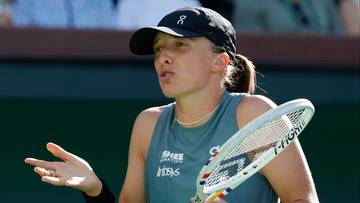
Wielka zapaść Igi Świątek. A teraz słyszymy o “czynniku strachu”
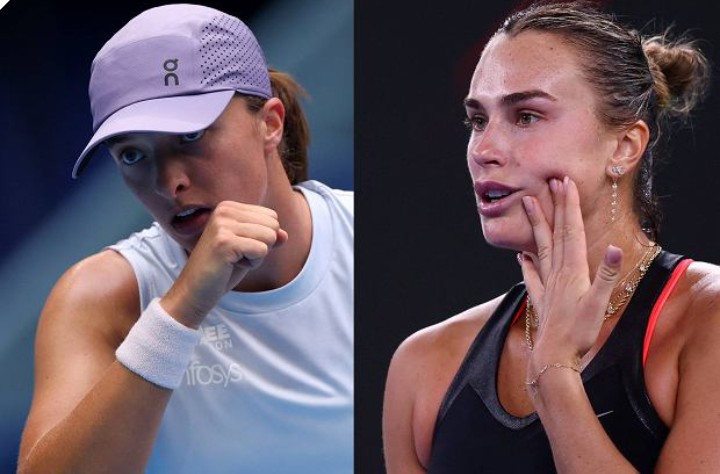
We entered the crucial phase of the season, and the questions about the disposition of the best Polish tennis player only multiply. Where did the old confidence go? Why do even the lower-ranked opponents go out on the court today without a shadow of pressure, believing in the final triumph? The esteemed British journalist breaks down the situation of the Polish woman into prime factors. He points to one disturbing detail that has been deciding for months the painful stumbles of the third-ranked WTA tennis player.
Further string of article under video footage
The journalist of The Athletic points out that the current problems are the result of a deeper change in the balance of power on the world courts.
— Myślę, że zniknął ten czynnik strachu. Tenisistki wyczuwają okazję i widzą podatność na ciosy, której w latach jej największej dominacji po prostu nie było. Zresztą jej ostatni bilans z zawodniczkami z czołowej dziesiątki mówi sam za siebie — zdradza nam Eccleshare. — Nawet niżej notowane zawodniczki jak Magda Linette, czy zmagająca się z problemami Maria Sakkari, dawno poczuły, że mogą z nią wygrać. One widzą w tym swoją wielką szansę — dodaje.
Painful decline
It is worth recalling how difficult the Polish woman is at now. The contestant, who remained at the top of the listing for two years, fell to third place in the WTA rankings. And while for many tennis players it would be a dream come true, Christmas doesn’t play half-measures. Her overarching goal is well known to everyone — to regain the leader’s seat.
The problem is that this season he is failing in clashes with the best. The statistics from 2026 in matches against rivals from the top ten are painful for the Polish woman, especially when we compare them with the achievements of her biggest opponents:
1
Aryna Sabalenka: 4 matches – 3 wins, 1 loss (75 per cent)
2
Jelena Rybakina: 6 matches – 5 wins, 1 loss (83.3 per cent)
3
Iga Świątek: 3 matches — 0 wins, 3 losses
4
Coco Gauff: 2 matches — 1 win, 1 loss (50 per cent)
Kontrast jest jeszcze bardziej uderzający, gdy spojrzymy na historyczne bilanse Polki z zawodniczkami z najlepszej dziesiątki w poprzednich latach:
2025 r.: 9 wygranych — 8 przegranych (53 proc.)
2024 r.: 11 wygranych — 5 przegranych (69 proc.)
2023 r.: 13 wygranych — 6 przegranych (68 proc.)
2022 r.: 15 wygranych — 2 przegrane (88 proc.)
2021 r.: 3 wygrane — 4 przegrane (43 proc.)
2020 r.: 2 wygrane — 0 przegranych (100 proc.)
Oprócz utraty psychologicznej przewagi narastającym problemem Świątek jest widoczny chaos decyzyjny na korcie. Zamiast realizować żelazny plan, sprawia wrażenie zawodniczki, która sama nie wie, po jaką broń w danym momencie sięgnąć.
— Ten problem taktyczny trwa już od dłuższego czasu. Wydaje się, że Iga jest rozdarta między kilkoma opcjami. Widzieliśmy to wielokrotnie — momentami po prostu uderza piłkę ze zbyt dużą siłą, ryzykując i przestrzeliwując — analizuje.
Ziemia obiecana czy pułapka?
Fans hold their breath before the start of the European part of the season on the ground courts. In theory, returning to your favorite surface should help Polka regain the right rhythm. Our interlocutor, however, warns against jumping to conclusions.
— Obiektywnie mączka to jej najlepsza nawierzchnia, która powinna przywoływać pozytywne wspomnienia. Zawsze jestem jednak ostrożny w przewidywaniu jej kolejnych kroków — przyznaje Eccleshare. — Kiedy w przeszłości przegrała półfinał Roland Garros z Sabalenką i dostała “bajgla” w ostatnim secie, zastanawiałem się, co z nią będzie dalej. A potem… pojechała i wygrała Wimbledon. Potrafi zaskakiwać, ale obecny, słabszy stan trwa już dość długo. Czuć, że ta jej niezwyciężoność po prostu zniknęła — podsumowuje ekspert “The Athletic”.