Category: Disclaimer

  • Czy Iga Świątek powinna zostać skrytykowana za swoje rzekome “gry umysłowe”? Co incydent z Danielle Collins na Igrzyskach Olimpijskich w Paryżu mówi o Polce

    Czy Iga Świątek powinna zostać skrytykowana za swoje rzekome “gry umysłowe”? Co incydent z Danielle Collins na Igrzyskach Olimpijskich w Paryżu mówi o Polce


    Wspaniałe zwycięstwo Igi Świątek w meczu o brązowy medal singli kobiet na Igrzyskach Olimpijskich w Paryżu 2024 nie obyło się bez kontrowersji. Numer jeden świata, który pokonał Annę Karolinę Schmiedlovą 6-1, 6-2, zdobywając pierwsze w historii medale olimpijskie dla Polski w tenisie, znalazł się w centrum gorącej dyskusji na temat swojego zachowania na korcie. Kontrowersje wokół jej działań stawiają pytania o cienką granicę między rywalizacją a sportowym szacunkiem.

    Zachowanie Świątek w Półfinale: Ignorowanie Tradycji?

    Kontrowersje zaczęły się od zachowania Świątek podczas jej półfinałowej przegranej z Qinwen Zheng. Świątek, która była mocną faworytką do złotego medalu, stanęła w obliczu dramatycznej chwili, gdy zakwestionowała decyzję sędziego liniowego przy ostatnim punkcie meczu. Mimo potwierdzenia sędziego, że piłka była w korcie, Świątek była wyraźnie zdenerwowana. W geście, który niektórzy fani zinterpretowali jako brak szacunku, podała rękę Zheng, ale postanowiła przejść obok sędziego bez uznania ich obecności. Incydent ten wywołał znaczne kontrowersje, a fani i analitycy zaczęli się zastanawiać, czy zachowanie Świątek rzeczywiście wykazuje brak szacunku dla sędziego.

    Krytyka Danielle Collins: Taktyka czy Nieporozumienie?

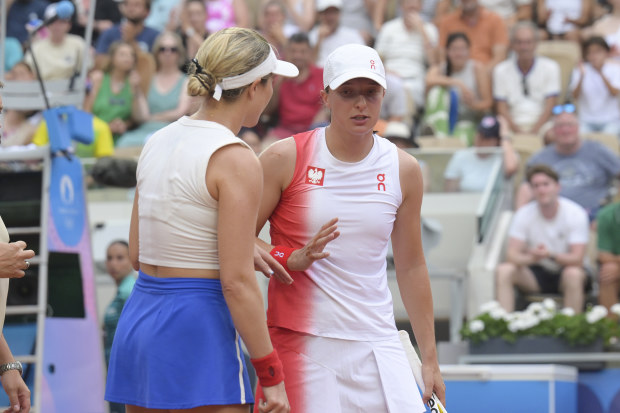
    Dramat trwał podczas ćwierćfinałowego meczu Igi Świątek z Danielle Collins. Świątek wygrała mecz 6-1, 2-6, 4-1 po tym, jak Collins wycofała się z powodu odwodnienia i skurczów. W trakcie meczu Collins wyraziła swoje frustracje z powodu tendencji Świątek do trzymania rakiety w górze podczas serwisu Collins, co Collins uznała za zakłócanie jej rytmu. Chociaż takie gesty mogą być postrzegane jako część gamesmanshipu lub strategii psychologicznej, reakcja Collins podkreśliła rosnące obawy wśród zawodników co do tego, jak działania Świątek mogą wpływać na przebieg gry.


    Powtarzające się Kontrowersje: Poprzednie Incydenty Świątek

    Zachowanie Świątek na korcie było już wcześniej poddawane krytyce. W 2023 roku podczas turnieju w Montrealu trzymała rakietę w górze podczas serwisu Jessiki Peguli, co zostało skrytykowane jako potencjalna taktyka mająca na celu zakłócenie koncentracji Peguli. Podobnie, podczas French Open 2024 jej działania przeciwko Naomi Osace budziły kontrowersje. W tych przypadkach gesty Świątek były postrzegane jako próby rozproszenia przeciwniczek, co wywołało dyskusje na temat tego, czy te działania były celowe czy niezamierzone.

    Przeprosiny i Dokładniejsze Spojrzenie na Zachowanie Świątek

    Świątek już wcześniej odnosiła się do swojego zachowania na korcie, przepraszając za wszelkie postrzegane brak szacunku. W wywiadzie z 2022 roku wyjaśniła, że jej gesty były reakcjami na stres, a nie celowymi próbami zakłócania gry przeciwniczek. Wyraziła ubolewanie z powodu ewentualnego negatywnego wpływu swoich działań, przyznając, że jej zachowanie często było niezamierzoną reakcją na wysokie napięcie sytuacji.

    Rola Sędziego: Zapewnienie Fair Play

    Rola sędziego jest kluczowa w rozwiązywaniu kwestii związanych z gamesmanshipem. To oni są odpowiedzialni za zapewnienie, że zawodnicy przestrzegają zasad i utrzymują fair play. Chociaż powtarzające się incydenty gamesmanshipu mogą budzić obawy, ostatecznie to sędziowie decydują, czy działania zawodnika wpływają na grę w sposób niesprawiedliwy. Historia zachowania Świątek sugeruje potrzebę czujności i jasnych wytycznych, aby zapobiec potencjalnym zakłóceniom.

    Podsumowanie: Złożona Kwestia Sportowego Szacunku i Strategii

    Debata na temat zachowania Igi Świątek na korcie jest odzwierciedleniem szerszych dyskusji o równowadze między strategią rywalizacji a sportowym szacunkiem. Chociaż działania Świątek czasami przekraczały kontrowersyjną granicę, odzwierciedlają one również intensywną presję i wysokie stawki w elitarnym tenisie. W miarę jak świat tenisa nadal analizuje te incydenty, rozmowy na temat gamesmanshipu i szacunku na korcie pozostają niezwykle istotne.

    Kariera Świątek z pewnością będzie nadal centralnym punktem dyskusji o granicach rywalizacji i sportowego szacunku. Wyzwanie dla Świątek i jej rówieśników polega na nawigowaniu w tych złożonych kwestiach, jednocześnie dążąc do doskonałości na korcie.
  • Rory McIlroy’s Heart-Stopping Near…

    Rory McIlroy’s Heart-Stopping Near…

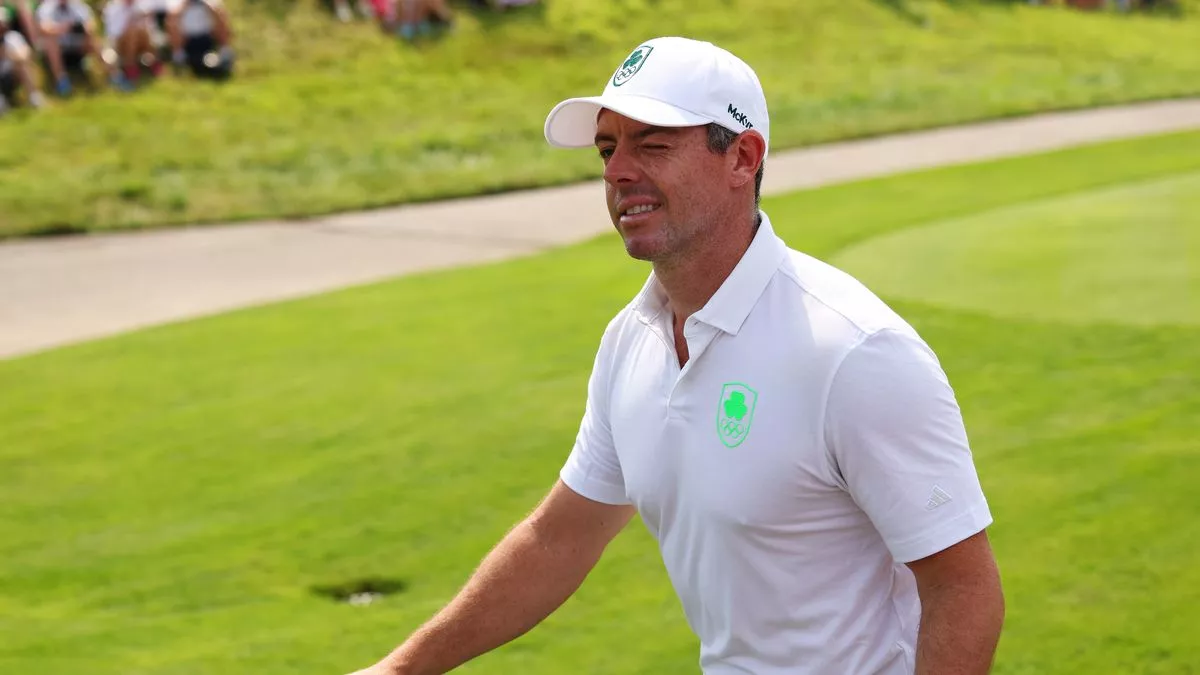
    In the electrifying atmosphere of the Paris 2024 Olympics, Rory McIlroy nearly achieved golf history with a moment of pure, heart-stopping drama that had fans on the edge of their seats. As the four-time major champion sought to make up ground on day two of the men’s golf tournament, he delivered a performance that almost rewrote the record books.


    Entering the second round five shots off the lead, McIlroy, representing Team Ireland alongside fellow golfer Shane Lowry, faced a daunting challenge. After a steady, if unspectacular, opening round, the Northern Irishman began his second 18 holes with promise. He started with back-to-back pars on the first and second holes before making a spectacular eagle on the par-five third.


    What happened next was nothing short of incredible. McIlroy’s second shot on the third hole was a masterpiece of precision and power. The ball soared towards the green with perfect trajectory, only to slam-dunk into the hole in what seemed to be an albatross in the making. But in a cruel twist of fate, the ball emerged from the cup and ended up just two feet from the pin. It was an extraordinary shot that defied belief, leaving McIlroy with only an eagle instead of a historic albatross.


    This near-miss comes as McIlroy competes in his second Olympic Games, having initially skipped the 2016 Rio Olympics due to the Zika virus outbreak. Back then, McIlroy had been vocal about his skepticism regarding the importance of the Olympic golf event, focusing instead on his dreams of major championships. “I think I’ll be remembered for my major championships,” McIlroy had said, dismissing the Olympic event as less significant.


    However, as he returns to the Olympics in Paris, McIlroy’s perspective seems to be shifting. He now acknowledges the Olympic Games as a significant milestone in his career, especially given his decade-long wait for a fifth major title. “It would be the achievement, certainly of the year,” he stated, reflecting on the potential impact of an Olympic medal. “If not – I think it’s well documented that I haven’t won one of the Big Four in ten years. It would probably be one if not the biggest in my career for the last ten years.”


    The support McIlroy has received in Paris has been overwhelming. After a solid three-under-par 68 in his first round, McIlroy was pleasantly surprised by the enthusiastic turnout. Over 25,000 spectators made the journey from central Paris to Le Golf National to witness the action, an impressive turnout that exceeded expectations. “The crowd was unbelievable. It was surprising,” McIlroy admitted. “It was a really cool atmosphere to play in. I was not expecting this. Tokyo was a ghost town [due to COVID-19 restrictions]. This was much better.”


    The electric atmosphere and the passionate crowd have rejuvenated McIlroy’s appreciation for the Olympics, making his near-miss on the third hole all the more poignant. As he continues to chase the leaders, the memory of that extraordinary shot will undoubtedly linger, a reminder of how close he came to adding Olympic history to his already illustrious career.

  • Oleksandr Usyk vs. Tyson Fury 2 – Heavyweight ready to appear on undercard

    Oleksandr Usyk vs. Tyson Fury 2 – Heavyweight ready to appear on undercard

    Exciting Heavyweight Showdown: Jared Anderson Eyes Spot on Oleksandr Usyk vs. Tyson Fury 2 Undercard

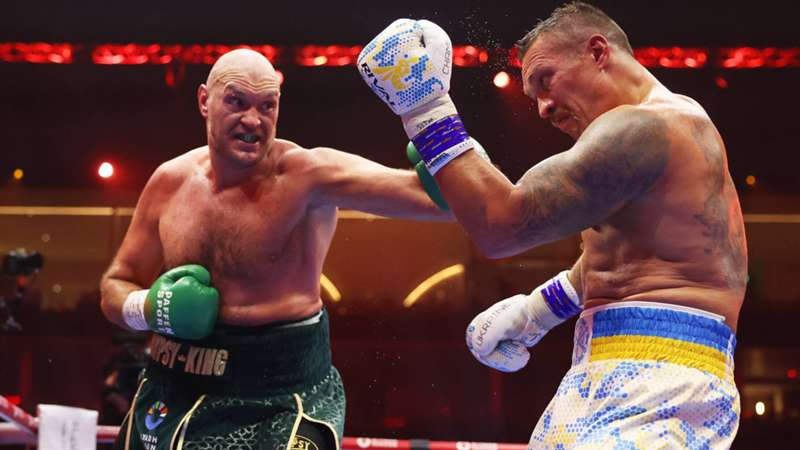
    In a thrilling development for boxing enthusiasts, Jared Anderson is setting his sights on a prominent spot on the undercard of the much-anticipated rematch between Oleksandr Usyk and Tyson Fury. Scheduled for December 21, this high-stakes event promises to be a monumental clash, as Usyk and Fury are set to rekindle their rivalry following their first encounter in May.


    Jared Anderson, who is making waves in the heavyweight division, is eager to be part of this blockbuster event. His immediate focus is on his upcoming bout against Martin Bakole, which will be broadcast live on DAZN. However, Anderson has already expressed his strong desire to feature on the Usyk vs. Fury 2 undercard, signaling his readiness to take on significant challenges in the ring.


    In a recent interview with BoxingScene, Anderson revealed his enthusiasm for the potential opportunity. “I have not been told anything yet, but I am gladly open to fighting on the [December 21] card. I would love to be on that card,” he stated. Anderson’s eagerness to be part of such a high-profile event underscores his ambition and commitment to making a mark in the heavyweight division.


    As Anderson prepares for his clash with Bakole, he remains focused on delivering an impressive performance. He warned potential opponents, “Whoever comes next, just know that they have a real fighter on their hands and they better be prepared.” This declaration highlights Anderson’s confidence and determination to rise through the ranks of heavyweight boxing.


    With the December 21 showdown between Usyk and Fury already generating immense excitement, the inclusion of Jared Anderson on the undercard would only add to the event’s allure. Fans can look forward to a night of intense boxing action as the heavyweight landscape continues to evolve with high-profile matchups and rising stars.

  • Top Heavyweight Breaks Silence On Calls To Retire After Damaging Losses: “I’ll Show Them Again”

    Top Heavyweight Breaks Silence On Calls To Retire After Damaging Losses: “I’ll Show Them Again”

    Top Heavyweight Breaks Silence On Calls To Retire After Damaging Losses: “I’ll Show Them Again”

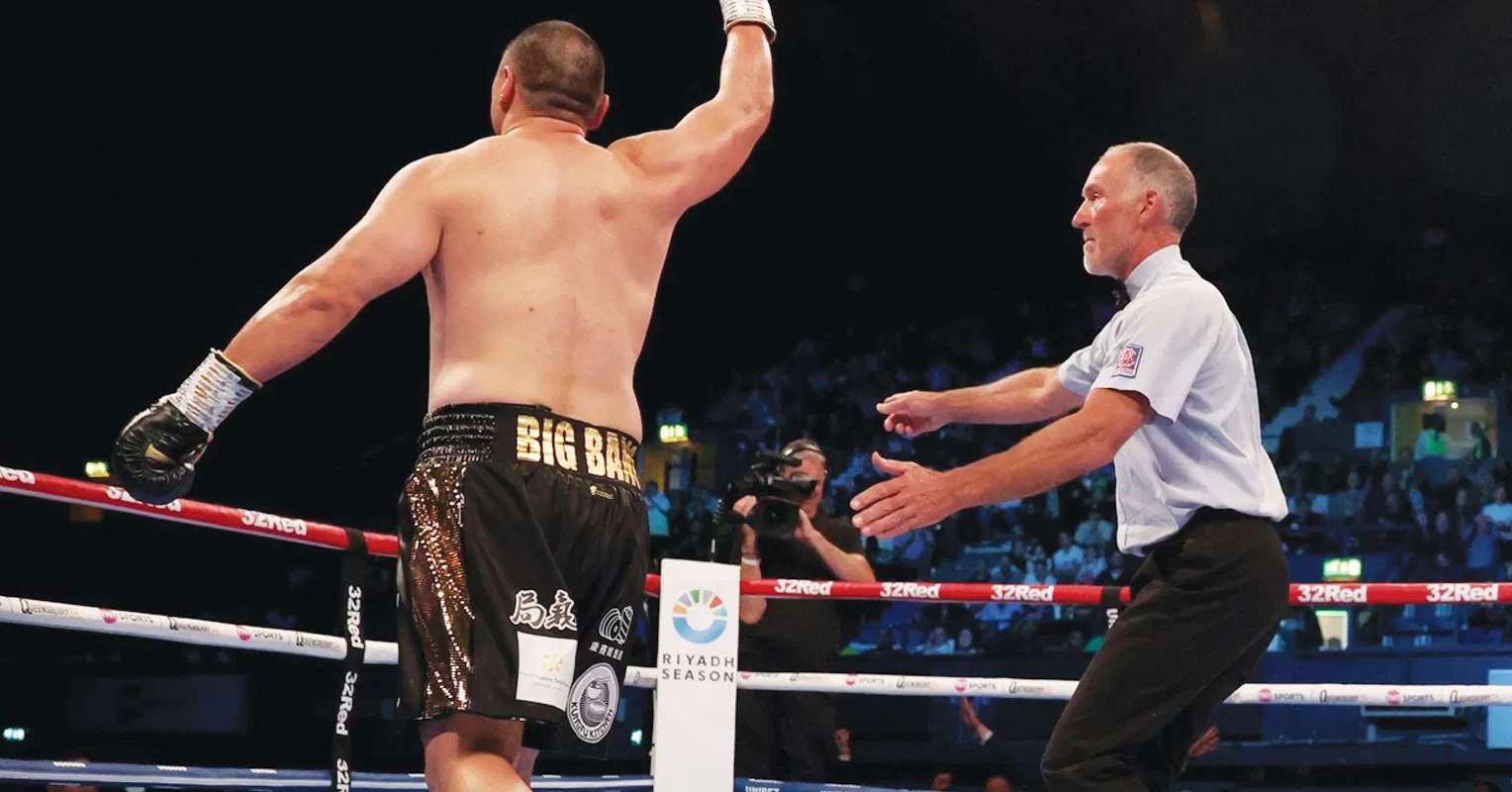
    In the heavyweight division, defeats can be particularly harsh, often reverberating through the sport with a profound impact. The nature of the heavyweight class is such that a single, powerful punch can swiftly alter the trajectory of a fighter’s career, as history has demonstrated with numerous upsets. For Joe Joyce, the impact of his recent losses wasn’t a single strike but rather a relentless and meticulously targeted barrage delivered by Zhilei Zhang, which significantly derailed his ascent in the boxing world.

    Joyce, known for his formidable chin and resilience, encountered a particularly challenging opponent in Zhang, whose southpaw stance and precise striking proved to be a formidable combination. During their first encounter, Zhang’s accurate and sustained attack caused the referee to halt the fight prematurely, primarily due to Joyce’s eye swelling to a dangerous degree. Although Joyce was never knocked down, he was visibly shaken, and many observers believed he might opt for an easier comeback route instead of facing Zhang again.

    Defying expectations, Joyce chose to pursue a rematch with Zhang, displaying considerable bravery. However, the second bout ended in a more definitive manner, with Joyce being knocked out in the third round. This second loss was particularly disheartening and suggested that Joyce’s campaign to regain prominence in the heavyweight division might face further setbacks.

    Following a six-month hiatus from the ring, Joyce made his return with a less-than-stellar performance, securing a stoppage victory over Kash Ali that was far from impressive. Despite the win, it was evident that Joyce was not yet back to his peak form. The heavyweight division’s landscape shifted further when Joyce participated in a highly anticipated bout against Derek Chisora last month.

    In this match, Chisora, often considered the underdog, demonstrated remarkable endurance and skill, earning a unanimous decision victory after ten rounds. Chisora’s performance was particularly noteworthy as he managed to score a knockdown in the ninth round, a testament to his enduring capability despite his advancing age. The fight was a thrilling and closely contested affair, showcasing both fighters’ resilience and competitive spirit.

    The bout’s intensity and the demands it placed on both fighters are likely to have lingering effects. Despite showing glimpses of his former self, Joyce, now 38, has faced increasing calls from various quarters suggesting he should consider retirement. Similarly, Chisora, who is 40, has also encountered pressure to step away from the sport.

    In response to the growing speculation about his future, Joe Joyce has firmly addressed the issue, reaffirming his commitment to boxing. Joyce has publicly stated his intention to continue competing, sharing highlights of his career on social media with a defiant message: “They wrote me off before. I’ll show them again.” This statement underscores his determination to silence critics and prove that he still has much to offer in the heavyweight division.

    Looking ahead, Joyce’s next steps are somewhat uncertain, though it seems likely that he will continue at the domestic level. He has expressed interest in potential rematches with fellow heavyweights Daniel Dubois and Joseph Parker. Dubois, having recently captured a world title, and Parker, known for his impressive current form, would pose significant challenges. Joyce would likely need to secure a few more victories to position himself for these high-profile rematches.

    In the meantime, Joyce may face challenges from emerging British heavyweights such as Johnny Fisher and Moses Itauma. These younger fighters are eager to make a name for themselves by securing victories over established stars like Joyce. As such, Joyce’s next fights could very well involve these rising talents, who are keen to test their skills against a well-known and respected opponent.

    As Joe Joyce continues to navigate the complexities of his career, his determination to rebound from setbacks and continue competing at a high level will be closely watched. His resilience and commitment to the sport reflect the enduring spirit of heavyweight boxing, where the journey back to the top is often as challenging as the climb itself.

  • Tiger Woods finally broke his silence on his long-standing distance from his ex-wife, Elin Nordegren, as their son, Charlie Woods, celebrated his golf championship in South Florida.

    Tiger Woods finally broke his silence on his long-standing distance from his ex-wife, Elin Nordegren, as their son, Charlie Woods, celebrated his golf championship in South Florida.

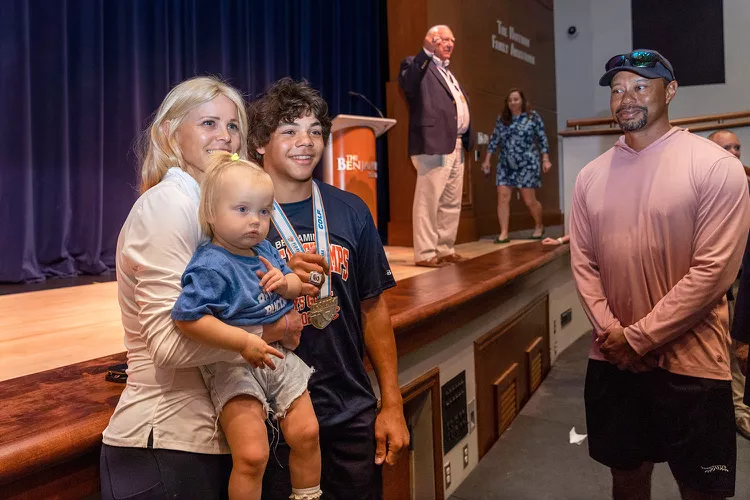
    In an unexpected revelation, golf legend Tiger Woods has finally addressed the longstanding distance between him and his ex-wife, Elin Nordegren. The occasion for this rare public commentary was a momentous one: the celebration of their son, Charlie Woods’ recent triumph in a prestigious golf championship held in South Florida.


    For years, speculation and curiosity surrounded the nature of Woods’ relationship with Nordegren after their highly publicized divorce in 2010. Despite numerous public appearances and high-profile events, the former couple maintained a notable silence about their personal dynamics, leading to widespread intrigue and conjecture.


    Now, with their son Charlie’s remarkable achievement garnering significant media attention, Woods has chosen this moment to break his silence. The golf championship victory not only marked a milestone in young Charlie’s burgeoning career but also served as a poignant backdrop for Woods to address the evolving relationship with his ex-wife.


    Sources close to the Woods family suggest that the decision to speak out was influenced by the positive and celebratory nature of the event, providing a fitting context for a candid discussion about the past. Woods’ remarks shed light on the reasons behind their distance and the efforts made to maintain a respectful and supportive environment for their son.


    As the details of this revelation continue to unfold, it offers a rare glimpse into the complexities of managing personal relationships under the public eye. The occasion also underscores the significance of family dynamics in the life of one of sports’ most iconic figures.


    Stay tuned as we delve deeper into Tiger Woods’ reflections on his relationship with Elin Nordegren and what this means for the future of their family as they navigate the ongoing journey of co-parenting and personal growth.

  • Tiger Woods had controversial reason for sacking his ludicrously rich golf caddie

    Tiger Woods had controversial reason for sacking his ludicrously rich golf caddie

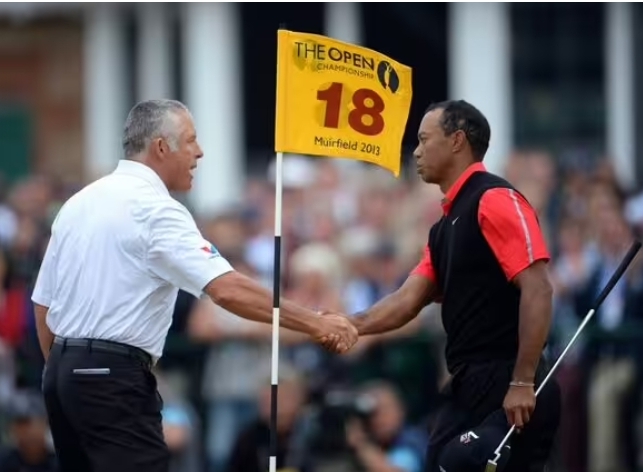
    Steve Williams, once one of the most renowned caddies in the annals of golf, was unceremoniously dismissed by Tiger Woods, the very golfer whose monumental successes were, in part, fueled by Williams’ relentless dedication and expertise. The split between the two, which occurred under highly controversial circumstances, has since become a riveting tale of professional upheaval and personal betrayal.


    Williams, a Kiwi caddie whose name became synonymous with Woods’ peak years, played a pivotal role in Woods’ astonishing career. Between 1999 and 2011, Williams was more than just a caddie; he was Woods’ right-hand man, accompanying him through the highs and lows of the golfing world. Their partnership was instrumental in securing Woods’ 15 major championships and a record 82 PGA Tour victories. Williams’ expertise and unwavering support were crucial as Woods dominated the sport, racking up an impressive 64 tour wins and claiming the prestigious title of Player of the Year nine times. The era of their collaboration solidified Woods’ place as one of the greatest golfers in history, underscored by his 281-week reign as World No. 1 from 2005 to 2010.


    Given the immense success, it is no surprise that Williams amassed a considerable fortune, estimated at £15.7 million ($20 million), from his caddying duties. His earnings were a mix of salary and a percentage of Woods’ prize money. However, the bond that seemed unbreakable was about to be tested in the most unexpected manner.


    In the wake of a brief hiatus Woods took after the Masters, Williams found himself in a precarious position. Woods had taken a break from competitive play to recover from both mental fatigue and lingering injuries. During this uncertain period, Williams was left in limbo, unsure of when he would be needed again. His professional commitment and personal loyalty to Woods, however, were about to be tested in a way he could never have anticipated.


    Williams’ predicament was exacerbated when a former golfing acquaintance reached out to him with an opportunity to caddie for him temporarily. Williams, seeking to keep himself active and engaged, discussed this potential temporary arrangement with Woods, who initially expressed no objections. But the situation quickly took a dramatic turn.


    As Williams prepared to take on the interim role, Woods made an abrupt and dramatic decision. Just days before the tournament in question, Woods reversed his stance. His agent contacted Williams with a stark ultimatum: if Williams went through with caddying for his friend, he would be terminated from his role with Woods.


    Williams, who had dedicated over a decade to supporting Woods’ career, was stunned by the sudden and severe ultimatum. Despite his belief that Woods would not follow through with the threat, the caddie soon received the call confirming his dismissal. Williams was left grappling not only with the loss of a significant professional relationship but also with the collapse of what he had perceived as a deep personal friendship.


    Reflecting on the fallout, Williams revealed the emotional toll of the decision. He expressed deep disappointment, not just at being fired but at the manner in which it was done. For Williams, the relationship had transcended professional boundaries; Woods had been a close friend, even serving as the best man at Williams’ wedding. The severance of their connection was a blow that Williams found difficult to reconcile with, a personal affront as much as a professional setback.


    In the aftermath of his departure from Woods’ team, Williams continued to make his mark on the golf world. He worked with Adam Scott from 2011 until 2017 and had a brief stint with Jason Day in 2019 before reuniting with Scott for another period from 2022 to 2023. Meanwhile, Woods’ career has seen its share of challenges, including a major title drought since his 2019 Masters victory.


    The story of Steve Williams’ departure from Tiger Woods’ team is a stark reminder of how quickly fortunes can change in the world of professional sports, where personal bonds can be as fragile as they are intense. The shocking nature of Williams’ dismissal not only highlights the unpredictable nature of sports careers but also underscores the complex interplay between friendship and professional duty.

  • Rory McIlroy and Erica Stoll’s Olympic statement speaks volumes about marriage

    Rory McIlroy and Erica Stoll’s Olympic statement speaks volumes about marriage

    Rory McIlroy and Erica Stoll have recently been at the center of public attention, particularly concerning the status of their marriage. The couple, who had originally intended to end their relationship, have had a dramatic turn of events in recent weeks. Ahead of the 2024 US Open, McIlroy confirmed that their planned divorce had been called off. This confirmation came as a surprise to many, given the initial reports of their separation and the subsequent legal proceedings.


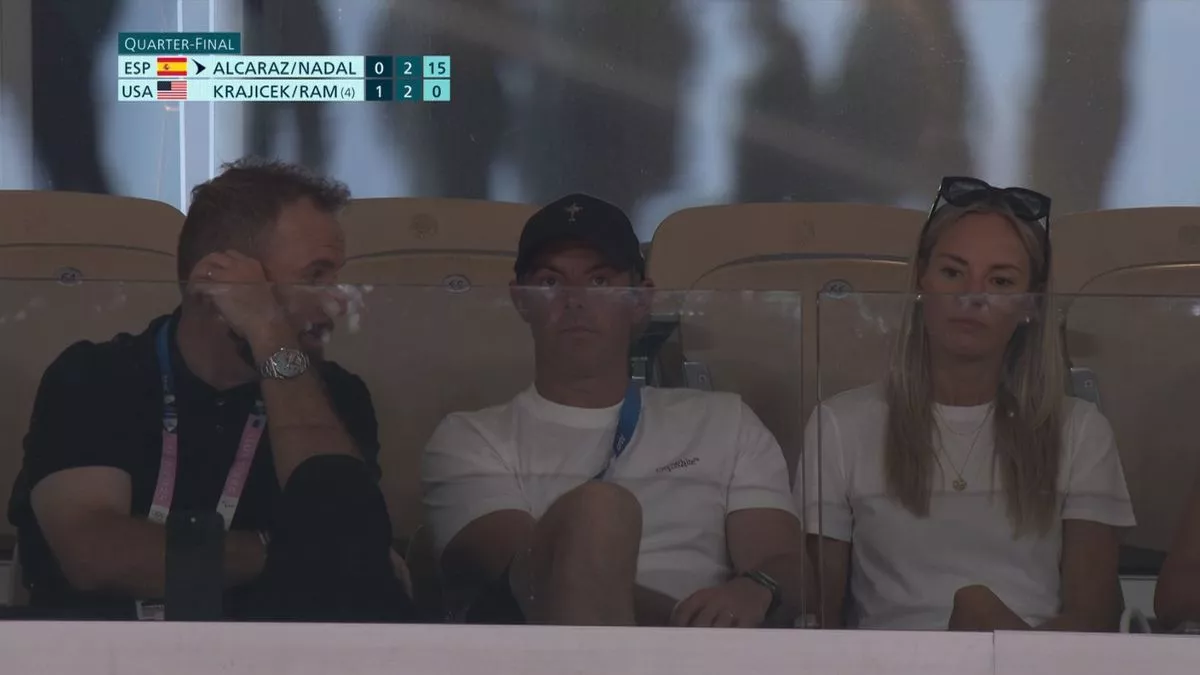
    McIlroy and Stoll were seen together at the 2024 Paris Olympics, where McIlroy was competing for Team Ireland. Their presence together at the Games marks a significant moment in their relationship, coming just over a month after McIlroy announced that their divorce had been cancelled. The couple appeared relaxed and content as they enjoyed some downtime in Paris before McIlroy began his Olympic campaign.


    The four-time major champion is participating in his second Olympic Games this week, showcasing his skills at Le Golf National in Paris alongside fellow Irish golfer Shane Lowry. Before McIlroy’s Olympic action commenced, he and Lowry attended a men’s tennis match featuring Carlos Alcaraz and Rafael Nadal against Rajeev Ram and Austin Krajicek. Stoll accompanied them, highlighting the couple’s reconciled relationship and shared commitment to supporting each other.


    The public’s first indication of trouble in McIlroy and Stoll’s marriage came ahead of the PGA Championship in May. It was revealed that McIlroy had filed for divorce, seven years after their wedding. According to the divorce filing documents, their marriage was described as “broken,” and they had requested joint custody of their daughter, Poppy. This announcement created a buzz in the media, drawing significant attention to McIlroy’s personal life amidst his professional endeavors.


    However, just a month later, and with the US Open approaching, McIlroy revealed that the divorce proceedings had been halted. In a statement, he addressed the rumors surrounding his personal life and expressed regret over the speculation. “There have been rumors about my personal life recently, which is unfortunate,” McIlroy said in an interview with The Guardian. “Responding to each rumor is a fool’s game. Over the past weeks, Erica and I have realized that our best future was as a family together. Thankfully, we have resolved our differences and look forward to a new beginning.”


    McIlroy’s announcement came just days before the US Open, where he delivered a strong performance, coming close to winning his first major title in a decade. He narrowly missed out on victory, finishing one shot behind Bryson DeChambeau at Pinehurst No. 2. Despite the disappointment, McIlroy’s personal life seemed to be on an upswing, as he and Stoll began to rebuild their relationship.


    Following the US Open, McIlroy took a brief hiatus from competitive golf to regroup and refocus. He returned to action at the Genesis Scottish Open, held at The Renaissance Club in North Berwick. During this tournament, Stoll was seen supporting her husband from the sidelines, a clear indication of their renewed bond. However, McIlroy’s performance at The Open Championship at Royal Troon was less successful, as he failed to make the 36-hole cut. This was a notable setback for the 2014 Open champion, who had high hopes for the event.


    In the aftermath of The Open, McIlroy and Stoll traveled to Portugal for a vacation, further signaling their commitment to each other and their family. They subsequently journeyed to Paris for the Summer Games, where McIlroy was set to compete.


    Throughout his career, McIlroy has expressed a somewhat ambivalent attitude towards the Olympics, often prioritizing major championships over the Games. However, his recent statements suggest a growing appreciation for the Olympic event. “I’ve been asked this question a lot, where would an Olympic medal sit in sort of the hierarchy of my career achievements, and it’s something I probably won’t be able to answer until when everything is said and done,” McIlroy remarked. “I think as golf is in the Olympics for a longer period of time, it will become more of— I don’t know if anything will be able to sit alongside the majors. We have our four events a year that are the gold standard. But I think this is going to be— in time, going to be right up there amongst that.”


    McIlroy’s evolving perspective on the Olympics reflects a broader trend of increasing recognition for the event in the professional golf calendar. As the sport continues to be a part of the Games, it is expected to gain more significance among golfers, potentially alongside the traditional major championships.


    In summary, Rory McIlroy and Erica Stoll’s journey through their marital difficulties and reconciliation has been closely followed by the public and media. Their recent appearances together at significant events, including the Olympics, highlight their commitment to each other and their family. As McIlroy continues to compete on the international stage, both his personal life and professional achievements remain of great interest to fans and observers alike.

  • Scottie Scheffler rights the ship while Rory McIlroy survives roller-coaster round on Day 2 of Olympic golf

    Scottie Scheffler rights the ship while Rory McIlroy survives roller-coaster round on Day 2 of Olympic golf


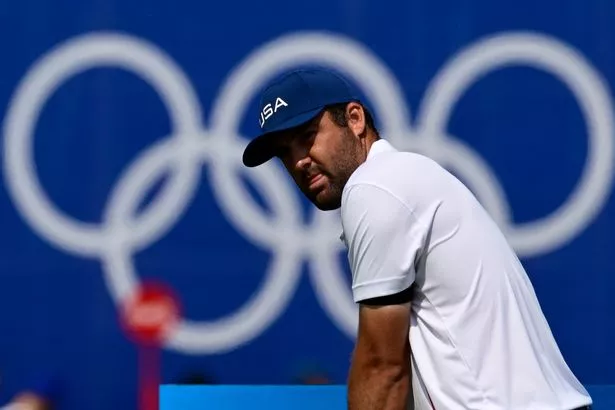
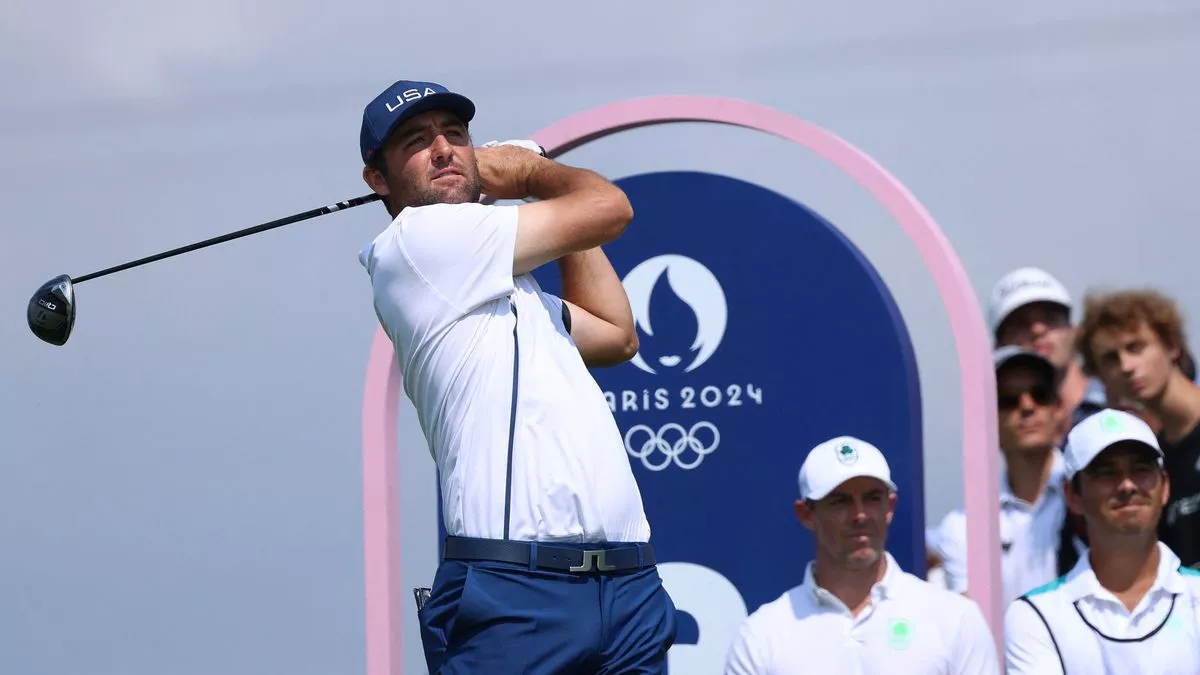
    SAINT-QUENTIN-EN-YVELINES, France – Scottie Scheffler made significant progress on Friday at Le Golf National, managing to “right the ship” after a challenging start to his round. Scheffler, the world’s top-ranked golfer, carded a 2-under-par 69 during the second round of the Olympic men’s golf competition, propelling him into a tie for 10th place. His performance was characterized by a resilient comeback after a troublesome front nine, which ultimately positioned him five strokes behind the leaders.


    Scheffler’s round began with difficulty. On the par-5 seventh hole, he encountered a particularly challenging situation. His 268-yard drive landed in the thick rough on the right side of the fairway, a common problem on this hole due to the way water collects in that area. The deep, thick grass complicated his attempt to escape the rough with a sand wedge, resulting in a disappointing 14-foot advancement. Scheffler’s subsequent shots, advancing 84 yards and 99 yards respectively, did not significantly improve his situation. He ultimately two-putted from 22 feet, resulting in a double bogey 7 for the hole. This poor performance on the seventh contributed to a front nine score of 38.


    Despite this early setback, Scheffler rebounded strongly on the back nine, shooting a 4-under-par 31. He expressed satisfaction with his recovery, noting that the strong finish allowed him to close the gap and regain momentum. “I’m proud of the back nine. Got myself back into it,” Scheffler commented. “I was pretty far back, so it was nice to string some good holes together and hole some putts. Definitely ride that momentum the next couple days.” His determination and strong finish were key to his improved standing, though he admitted that his aim was to lead the competition.


    The 28-year-old golfer also reflected on his recent performance and mindset. He acknowledged that his attitude had been less than ideal in the preceding days, which impacted his play. Scheffler described a moment of frustration at the seventh hole, where his failure to manage the rough effectively highlighted his internal struggle with patience. He recognized that a crucial part of succeeding on this course was maintaining composure and avoiding the urge to force shots. “I think that’s the internal battle you have of staying patient,” he said. “I know if I stay patient around this golf course and play well, I can shoot a low score. It’s just a matter of if I start freaking out and start forcing things, you’re going to get in trouble really fast.”


    To help with his focus and patience, Scheffler turned to his caddie, Ted Scott. Scheffler confessed that he was struggling with reading the greens and sought Scott’s assistance. “I looked at Teddy and was like, ‘I cannot read these greens right now, I don’t know what it is,’” Scheffler admitted. Scott assisted with reading putts during the back nine, which contributed to Scheffler’s improved performance. “He started reading putts with me on the back nine, and I rolled a nice one in there on 10,” Scheffler said. “The way I was feeling, I wasn’t really going to disagree with what he was saying. It’s like, ‘Yeah, man, you just tell me what to do here and I’ll oblige.’”


    In contrast, Rory McIlroy, the world’s No. 3 golfer, also faced challenges during his round on Friday. McIlroy, who is tied for 13th place at 5 under par, struggled with a double bogey on the par-4 seventh hole. His round, which included an eagle, four birdies, two bogeys, and a double bogey, was marked by a series of mistakes. “Sort of similar story to yesterday,” McIlroy said, reflecting on his round. “Making the good swings and making enough birdies and another eagle today. But yeah, just offset by a few too many mistakes over the first couple days.” McIlroy’s opening round score was a 68, making his current standing less favorable.


    McIlroy, representing Team Ireland alongside Shane Lowry, noted that he was surprised by the softer course conditions at Le Golf National this year. The softer conditions were a stark contrast to the firm, challenging conditions during the 2018 Ryder Cup, which he had previously experienced. “If you would have asked me five or six years ago, I’d have said yes,” McIlroy said regarding the softer conditions. “But I’ve really started to enjoy those firmer, drier conditions. With a bit of drier weather over the next couple days, Sunday might have a little bit of bite to it.”


    As the competition progresses, both Scheffler and McIlroy will need to adapt to the course conditions and their own game challenges to achieve their goals in the upcoming rounds.

  • Scottie Scheffler’s Pursuit of Olympic Gold Hit by Major Setback at Le Golf National

    Scottie Scheffler’s Pursuit of Olympic Gold Hit by Major Setback at Le Golf National

    Scottie Scheffler’s Pursuit of Olympic Gold Hit by Major Setback at Le Golf National


    Scottie Scheffler, one of golf’s brightest stars and the top-ranked player heading into the Olympics, has encountered significant difficulties in his quest for gold, particularly during the second round at Le Golf National on Friday. The event, which began with high expectations for Scheffler, has seen him face a series of challenges that have dampened his hopes for the prestigious medal.


    Entering the tournament with great anticipation, Scheffler had managed to keep pace with the leading contenders after a promising start on Thursday. Despite a strong performance in the first round, where he showed considerable skill and composure, his second day of play was marked by unexpected trouble, particularly on the seventh hole. This critical juncture proved to be a major turning point in his round.


    On this fateful hole, Scheffler’s normally reliable driving ability faltered. His tee shot found its way into the deep rough, a position that would test his skills and patience. The difficulty of the situation was compounded by the need for assistance in locating his ball, with fellow professional Rory McIlroy stepping in to help. This moment of struggle was a stark contrast to the usual mastery Scheffler demonstrates on the course, adding to the tension of the situation.


    Faced with a challenging lie in the rough, Scheffler took a bold approach in attempting to reach near the green. However, his efforts yielded minimal progress, which was visibly frustrating. The situation escalated as Scheffler became increasingly agitated, leading to a noticeable exchange of words with his caddie, Ted Scott. This display of frustration was a departure from the calm demeanor that Scheffler is known for, reflecting the severity of the moment.


    The broadcast on Golf Channel captured the essence of the struggle, with commentator Brad Faxon remarking sharply, “I think the divot went further than the ball.” This comment underscored the difficulty of the shot and the growing sense of frustration. Scheffler’s subsequent third shot was far from ideal, setting him up for a challenging fourth shot. The culmination of these difficulties led to a long bogey putt that missed its mark, resulting in a double-bogey six on the hole. This significant setback dropped him further from the top of the leaderboard and away from his medal aspirations.


    By the end of the second round, Scheffler had fallen to two-under par for the tournament, trailing by a substantial nine shots behind leader Hideki Matsuyama and clubhouse leader Xander Schauffele. The harsh reality of the situation left Scheffler with a considerable uphill battle if he was to secure a medal. However, his resilience shone through as he managed to bounce back with birdies on the 10th and 11th holes. These birdies briefly improved his standing to four-under par, yet he remained five shots off the medal positions, illustrating the magnitude of the challenge ahead.


    Meanwhile, Xander Schauffele, Scheffler’s Team USA colleague, has been in exceptional form over the past few months. After clinching victories at both the PGA Championship and The Open, Schauffele’s performance at the Olympics has been impressive. His strong play continued with a six-under-par opening round followed by a five-under round on Friday, propelling him into a share of the lead. Schauffele is well-positioned to secure his second Olympic gold medal, having previously triumphed in Tokyo three years ago.


    In addition to Schauffele, LIV Golf star Jon Rahm has emerged as a formidable competitor. Rahm’s impressive five-under-par round on Friday brought his total to nine-under for the tournament, placing him in a tie for third. He shares this position with Britain’s Tommy Fleetwood, who has also shown strong performance throughout the tournament.


    The other American contenders have also made their mark, though with varying degrees of success. Collin Morikawa, another key player for Team USA, is currently at four-under par. Meanwhile, Wyndham Clark, another American participant, finds himself at two-over par as the tournament heads toward its midpoint.


    As the competition progresses, the remaining rounds will be crucial in determining who will emerge victorious and who will fall short. For Scheffler, the path to a medal remains challenging but not impossible. With determination and a return to form, he could yet turn the situation around and make a strong push for a top finish. The remaining days of the tournament will be pivotal in shaping the final standings and revealing who will take home the coveted Olympic medals.

  • Scottie Scheffler clash with Jon Rahm after LIV Golf star’s Olympic demand

    Scottie Scheffler clash with Jon Rahm after LIV Golf star’s Olympic demand

    Scottie Scheffler, one of the four American golfers competing at this week’s prestigious event held at Le Golf National, has voiced strong support for maintaining the Official World Golf Ranking (OWGR) system as the method for qualifying for the men’s Olympic golf tournament. This stance comes amidst growing criticism from some quarters, notably from Jon Rahm, who has advocated for changes to the current qualification process.


    Scheffler, alongside fellow American stars Xander Schauffele, Colin Morikawa, and Wyndham Clark, form the U.S. team, which is the only squad boasting four players in the competition. Their inclusion is a result of their impressive standings in the world rankings, which have automatically secured their spots in the tournament due to their positions in the top 10 of the OWGR.


    The decision to use the OWGR list as the basis for selecting participants has sparked considerable debate, particularly in light of ongoing issues between the ranking system and LIV Golf. The conflict has led to a notable drop in the rankings of several high-profile players who have participated in LIV Golf events, which have not been awarded OWGR points. Consequently, prominent golfers such as Bryson DeChambeau, Cameron Smith, and Brooks Koepka find themselves missing from the tournament, highlighting the contentious nature of the current ranking system.


    Despite the criticism, Scheffler is a firm believer in the fairness of the OWGR system for team selection. He argues that a standardized ranking system provides a more objective and transparent method of qualification compared to a selection committee process, which can introduce subjectivity into the decision-making.


    “I mean, I think it’s nice having a pretty standard rating system for how you can choose the team,” Scheffler remarked after completing his opening round on Thursday. “I think it gets a little bit subjective when you have a selection committee choosing teams. Most of our team events have a mix of automatic qualifiers and selected players. We’ve even had amateur tournaments where the entire team was chosen rather than qualified.”


    Scheffler’s preference for a standardized system stems from his belief in its ability to maintain fairness and consistency. He notes that having a clear and established ranking system allows players to know where they stand in terms of qualification, thereby reducing the potential for disputes and bias. He also acknowledges the difficulty faced by American players in securing spots on the team, despite their high world rankings.


    “I’m a fan of having a standard system where you know where you stand in terms of getting in like it is now,” Scheffler explained. “If there were a committee deciding the last few spots, it would add another layer of complexity and potential for controversy. It’s already incredibly challenging to make the team from the U.S. We have four spots because we have four players in the Top 15, and it’s still arguably the hardest team to qualify for.”


    Scheffler also pointed out that if the U.S. could bring its best players based on a clear, standardized ranking system, the competitive landscape of the tournament might look significantly different, potentially improving the chances of securing more medals. Nevertheless, he recognizes the inherent difficulty in selecting the best four players each year, given the high level of talent in American golf.


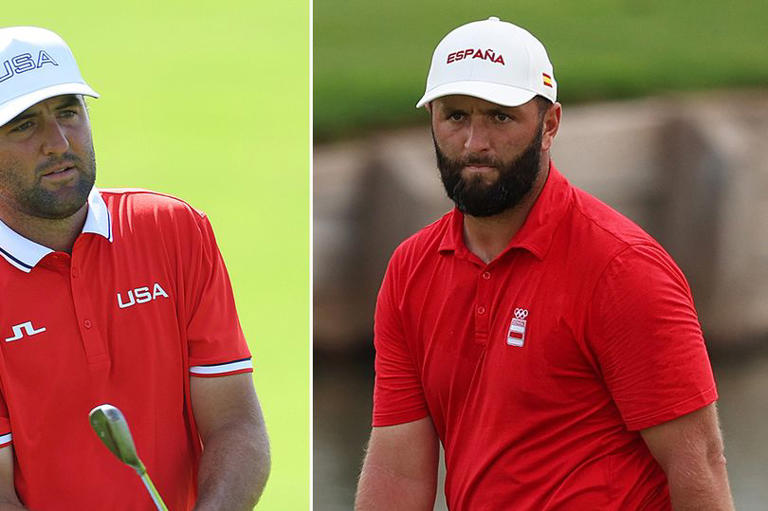
    In contrast to Scheffler’s position, Jon Rahm, one of Scheffler’s rivals and a notable figure in LIV Golf, has advocated for a different approach. Rahm believes that allowing countries the freedom to select their own teams would be a more effective method. He suggests that countries should have the autonomy to choose their representatives rather than relying solely on a standardized ranking system.


    “There needs to be some guidelines, but Team USA basketball has the freedom to choose whoever they want,” Rahm stated ahead of the event. “I understand it’s a different circumstance, but I think you need to let each country choose who they want to play.”


    Rahm and fellow LIV Golf player David Puig are representing Spain in the tournament, and Rahm’s perspective contrasts sharply with Scheffler’s. Rahm’s argument centers around the belief that a more flexible selection process would allow for a more personalized and potentially fairer representation of each nation’s best players.


    As of Thursday, both Scheffler and Rahm find themselves in a strong position, tied for sixth place after carding a four-under-par 67 in their opening round. Their shared position in the standings underscores the competitive nature of the event and the high level of performance required to excel in such a prestigious tournament.