Category: Disclaimer

  • Desperate Fans Urge Scottie Scheffler to Sabotage His Game to Save Tom Kim from Mandatory Military Service: A High-Stakes Showdown at the Paris Olympics

    Desperate Fans Urge Scottie Scheffler to Sabotage His Game to Save Tom Kim from Mandatory Military Service: A High-Stakes Showdown at the Paris Olympics

    Desperate Fans Urge Scottie Scheffler to Sabotage His Game to Save Tom Kim from Mandatory Military Service: A High-Stakes Showdown at the Paris Olympics


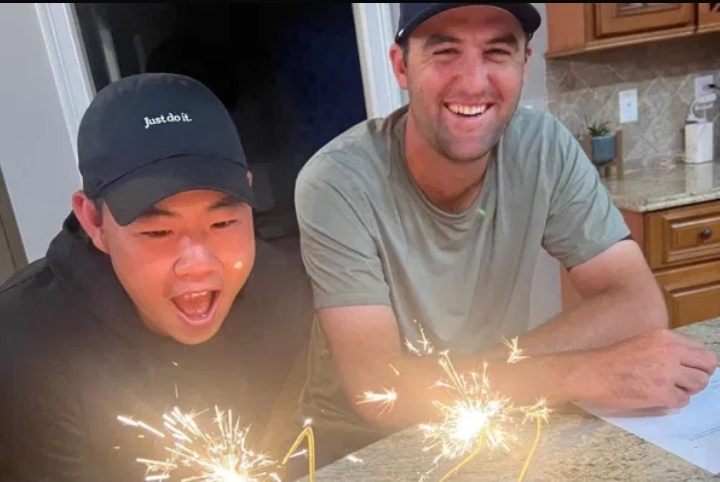
    The 2024 Paris Olympics is witnessing an intense drama in the men’s golf competition that has captured the attention of golf enthusiasts worldwide. With the final round approaching, South Korean golfer Tom Kim finds himself in a precarious situation that extends beyond the fairways of Le Golf National. Kim, a 22-year-old prodigy and three-time PGA Tour champion, is facing an urgent dilemma that has led fans to urge his American counterpart, world No. 1 Scottie Scheffler, to potentially throw the game in a bid to secure Kim a coveted medal and an exemption from South Korea’s mandatory military service.


    Tom Kim’s public remarks earlier in the year hinted at a unique aspect of South Korean law that could impact his career. According to the regulations in South Korea, men who are physically capable are required to serve in the military for 18 to 21 months after turning 19. However, the government does offer exemptions for exceptional athletes who achieve notable success on the global stage, such as winning medals at the Olympics. With Kim now just months away from his 22nd birthday in June, the stakes for him are incredibly high. A medal at the Paris Games could mean the difference between immediate military service and a prolonged exemption.


    As the fourth round of men’s golf looms large, Kim finds himself tied for sixth place with Scottie Scheffler, Rory McIlroy, and Thomas Detry. The leaderboard is crowded, and the competition is fierce. With five golfers ahead of Kim and Scheffler, including those tied at first, third, and fourth places, both Kim and Scheffler will need to outshine not only each other but also the leaders to secure a place on the podium.


    Amidst the high tension, an intriguing debate has emerged among golf fans and sports commentators. Many fans have begun fervently speculating whether Scottie Scheffler, affectionately dubbed as Kim’s ‘Big Brother’ by a Royal Oaks member, might consider “intentionally tanking” his performance to help Kim secure a medal. One fan’s comment encapsulates the sentiment: “We are all Tom Kim fans tomorrow. I believe 100%, if it came down to it, Scottie Scheffler would miss a putt if it put Kim on the podium tomorrow.” This notion, though filled with good intentions, has sparked a heated discussion about fairness and sportsmanship.


    The Olympic Games, unlike other golf tournaments, do not offer prize money. Instead, countries provide their own rewards for medalists. For South Korean athletes, the stakes are substantial. A gold medal comes with a substantial bonus of 63 million won (approximately $43,288), and either a pension or a lump sum. However, a bronze medal only earns a bonus of 25 million won (around $16,934). This disparity has fueled speculation about the lengths to which fans might want Scheffler to go to aid Kim’s quest.


    Some fans have even proposed a financial incentive to persuade Scheffler to consider this unconventional route. One follower suggested, “Can I chat with him about it and discuss a payout?” However, others vehemently oppose the idea, citing it as unethical. “Nope. It’s not about you. It’s about protecting the field from bullshit like that. It’s a form of cheating,” another follower retorted, highlighting the concerns about the integrity of the sport.


    In addition to Kim’s plight, another South Korean golfer, Byeong Hun An, is also in contention. An, who is currently tied for 17th place with scores of 72, 68, and 66, will need a stellar performance in the final round to break into medal contention. An, who is 32 and has yet to complete his mandatory service, is running out of time. South Korean law mandates that all men must fulfill their military duty by the age of 35, adding a layer of urgency to his Olympic ambitions.


    As Tom Kim heads into the final round with the support of his fervent fans and the looming shadow of military service, he faces a pivotal moment in his career. The extraordinary support from fans, who have expressed their concern for his future and hope for his success, underscores the emotional weight of this Olympic competition. With only a few hours left to determine the outcome, Kim’s performance will be scrutinized closely, and whether he can rise above the intense pressure and secure a podium finish remains to be seen.


    The world waits with bated breath as Kim and Scheffler, alongside the other competitors, prepare for the final push in what promises to be a dramatic conclusion to the men’s golf tournament at the Paris Olympics.
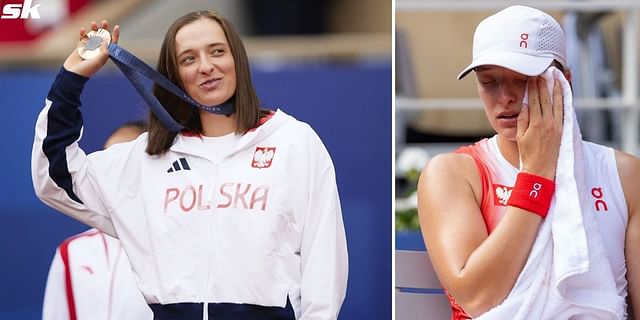
  • „Zatrważające Łzy Igi Świątek: Jak 6 Godzin Płaczu Doprowadziło do Triumfu w Walce o Brąz – i Co Zrobiłaby, Gdyby Nie Wygrała!”

    „Zatrważające Łzy Igi Świątek: Jak 6 Godzin Płaczu Doprowadziło do Triumfu w Walce o Brąz – i Co Zrobiłaby, Gdyby Nie Wygrała!”

    Iga Świątek otworzyła się na temat swojej emocjonalnej reakcji na utratę złotego medalu podczas Igrzysk Olimpijskich w Paryżu w 2024 roku. Mimo rozczarowania, numer 1 na świecie znalazła pocieszenie w zdobyciu brązowego medalu na prestiżowej imprezie, przyznając, że musiała dostosować swoją strategię po swoim druzgocącym porażce.


    Świątek była zdecydowaną faworytką do zdobycia swojego pierwszego złotego medalu w Paryżu, zwłaszcza że niedawno zdobyła swoje czwarte zwycięstwo na French Open w Roland Garros, które było również miejscem igrzysk olimpijskich. Jednak wysokie oczekiwania przyniosły ogromną presję, i Polka nie sprostała wyzwaniu w półfinałach, przegrywając z Zheng Qinwen.


    Pomimo wchodzenia do meczu z idealnym wynikiem 6-0 w dotychczasowych pojedynkach z Zheng, numer 1 na świecie miała trudności w stawieniu czoła rywalce, która zdobyła zwycięstwo 6-2, 7-5, awansując do finału. Rozczarowana złamanym marzeniem o zdobyciu pierwszego złotego medalu, Świątek załamała się podczas rozmowy z prasą po meczu.


    Jednak Iga Świątek szybko się otrząsnęła i stanęła do walki z Anną Karoliną Schmiedlovą w meczu o brązowy medal, zdobywając zdecydowane zwycięstwo 6-2, 6-1, co zapewniło Polsce pierwszy w historii medal olimpijski w tenisie. W wywiadzie udzielonym po triumfie Świątek reflektowała nad swoją porażką w półfinałach, opisując ją jako jedną z “najcięższych porażek” w swojej karierze. Świątek ujawniła, że płakała przez sześć godzin po tym bolesnym doświadczeniu i przyznała, że prawdopodobnie płakałaby przez tydzień, gdyby przegrała mecz o brązowy medal.


    „Nigdy wcześniej nie czułam się w ten sposób. Wczoraj przeżyłam jedną z najcięższych porażek w mojej karierze” – powiedziała Iga Świątek. „Płakałam przez sześć godzin wczoraj. Gdybym nie wygrała (brązu), płakałabym przez tydzień. Bycie numerem jeden sprawia, że czuję, że mogę poradzić sobie ze wszystkim, ale ten turniej pokazał mi, że tak nie jest. To motywuje mnie do cięższej pracy” – dodała.


    Iga Świątek również przyznała, że presja związana z oczekiwaniami wpłynęła na jej występ podczas meczu półfinałowego, ujawniając, że zmieniła swoje podejście, aby w lepszy sposób przygotować się do meczu o brązowy medal. „Zdałam sobie sprawę, że nałożyłam na siebie bardzo ciężki plecak. Myśl, że gram dla tylu ludzi, dodała presji, która uniemożliwiła mi grę na najlepszym poziomie. Pomyślałam, że muszę grać dla siebie i tak podeszłam do meczu o brąz w lepszy sposób” – powiedziała Iga Świątek.


    Jej szczerość na temat przeżyć i emocji związanych z igrzyskami, w połączeniu z jej determinacją do poprawy, ukazuje nie tylko jej umiejętności sportowe, ale także jej siłę psychiczną i zdolność do radzenia sobie z wyzwaniami, które stoją przed najlepszymi sportowcami na świecie.

  • Iga Świątek w historii: Brązowy medal w tenisie na Igrzyskach Olimpijskich w Paryżu 2024

    Iga Świątek w historii: Brązowy medal w tenisie na Igrzyskach Olimpijskich w Paryżu 2024

    Iga Świątek w historii: Brązowy medal w tenisie na Igrzyskach Olimpijskich w Paryżu 2024

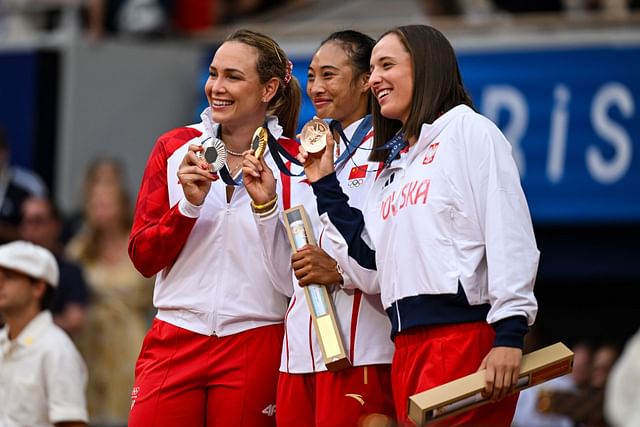
    Na Igrzyskach Olimpijskich w Paryżu 2024, podium w tenisie kobiet zdominowały Qinwen Zheng, Donna Vekic i Iga Świątek, które wzięły udział w uroczystym wręczeniu medali. Zheng zdobyła złoto, pokonując Vekic w finale, natomiast Świątek zdobyła brązowy medal, wygrywając z Anną Karoliną Schmiedlovą.

    https://x.com/awejniakk/status/1819777839165546822?t=xCMp0G5COC8W6P1cT0ltKQ&s=19

    Mecz o brązowy medal Świątek rozegrała w piątek, 2 sierpnia, a finał odbył się dzień później. Po ceremonii wręczenia medali, wszystkie trzy medalistki zrobiły sobie wspólne selfie, na którym były pełne uśmiechu, a Polka, Świątek, zrobiła zdjęcie.


    Iga Świątek była faworytką do zdobycia złota, dzięki swojej znakomitej grze na kortach ziemnych i konsekwentnym sukcesom na Roland Garros. Polka została jednak pokonana w półfinale przez Zheng, która ostatecznie zdobyła złoty medal. Świątek wygrała z Iriną-Camelią Begu, Diane Parry i Wang Xiyu w pierwszej, drugiej i trzeciej rundzie. Do półfinałów awansowała po tym, jak Collins wycofała się przy wyniku 1-6, 6-4, 1-4.


    Droga Vekic do półfinału obejmowała zwycięstwa nad Lucią Bronzetti, Biancą Andreescu i Coco Gauff w pierwszej, drugiej i trzeciej rundzie. W ćwierćfinale Chorwatka pokonała Martę Kostyuk w zaciętym meczu 6-4, 2-6, 7-6(8).


    Zheng rozpoczęła swoją kampanię od zwycięstwa nad Sarą Errani, następnie pokonała Arantxę Rus i Emmę Navarro w drugiej i trzeciej rundzie. W ćwierćfinale Chinka wygrała z Angelique Kerber w wyrównanym meczu 6-7(4), 6-4, 7-6(6).


    W pierwszym półfinale Świątek przegrała z Chinką, a w drugim półfinale Vekic pokonała Schmiedlovą. W finale Zheng i Vekic stoczyły walkę o złoty medal, a Chinka zdobyła ostatecznie najwyższe trofeum. Świątek zademonstrowała silną formę w meczu o brązowy medal, gdzie pewnie pokonała Schmiedlovą 6-2, 6-1.


    Iga Świątek zapisała się w historii jako pierwsza polska zawodniczka, która zdobyła medal w tenisie na Igrzyskach Olimpijskich. Polka potrzebowała zaledwie godziny, aby przejść do porządku dziennego po porażce w półfinale z Zheng, zdobywając medal brązowy dla swojego kraju.


    Świątek, będąc numerem 1 na świecie, po przegranej w półfinale wylewała łzy z powodu utraty szansy na złoto. Jednakże szybko się podniosła i dostarczyła swojemu krajowi historyczny brązowy medal. Teraz Świątek będzie rywalizować w Stanach Zjednoczonych i Kanadzie, gdy rozpocznie się sezon na kortach twardych. Numer 1 na świecie wycofała się z National Bank Open, powołując się na zmęczenie. Jest zaplanowana do występu na Cincinnati Open i US Open.

  • Golf Star Rory McIlroy’s Heart-Wrenching Exit: Emotional Withdrawal from the Olympics Rocks Fans

    Golf Star Rory McIlroy’s Heart-Wrenching Exit: Emotional Withdrawal from the Olympics Rocks Fans

    Golf Star Rory McIlroy’s Heart-Wrenching Exit: Emotional Withdrawal from the Olympics Rocks Fans”

    In a shocking turn of events that has left the sports world reeling, golf sensation Rory McIlroy has announced his withdrawal from the upcoming Olympic Games, a decision that has visibly moved the athlete to tears. This unexpected development has not only stunned fans but also sparked a wave of speculation and concern across the globe.


    McIlroy’s emotional announcement came during a press conference that was meant to showcase his preparations and excitement for the Olympics. Instead, the atmosphere turned somber as the world witnessed one of golf’s brightest stars grappling with an overwhelming wave of emotion. The decision, which was clearly not made lightly, has been attributed to unforeseen personal and professional challenges that McIlroy has been facing.


    Sources close to the golfer suggest that a combination of intense pressure, recent setbacks in his game, and personal struggles have contributed to this heart-rending choice. The news has been met with an outpouring of support from fans and fellow athletes alike, all of whom recognize the immense dedication and passion McIlroy has consistently demonstrated throughout his career.


    The impact of McIlroy’s withdrawal extends beyond the realm of golf, as his presence at the Olympics was highly anticipated by fans and organizers alike. The void left by his absence is expected to be deeply felt, both in terms of competitive spirit and audience engagement. McIlroy’s decision not only affects his personal Olympic aspirations but also alters the dynamic of the golf competition at the Games.


    In the wake of this announcement, McIlroy’s future in the sport remains a topic of great interest. Fans and analysts are left to ponder the implications of this development on his career trajectory and his mental well-being. The golf community stands united in offering support to McIlroy during this challenging time, hoping for his swift return to form and confidence.


    As the world processes this heartbreaking news, McIlroy’s emotional moment serves as a poignant reminder of the pressures faced by elite athletes and the personal sacrifices often hidden behind the public eye.

  • Tiger Woods: Underrated at 8 on ESPN’s Top 21st Century Athletes List

    Tiger Woods: Underrated at 8 on ESPN’s Top 21st Century Athletes List

    Tiger Woods’ Surprising Rank at Eighth on ESPN’s Top Athletes of the 21st Century List: An In-Depth Examination

    The nature of sports lists is to ignite discussions and debates among fans and analysts alike. ESPN’s recent ranking of the top athletes of the 21st century is a prime example of this phenomenon. Ranking the greatest athletes across various disciplines poses a unique challenge: how does one compare the achievements of swimming legend Michael Phelps, tennis icon Serena Williams, and soccer superstar Lionel Messi, among others?

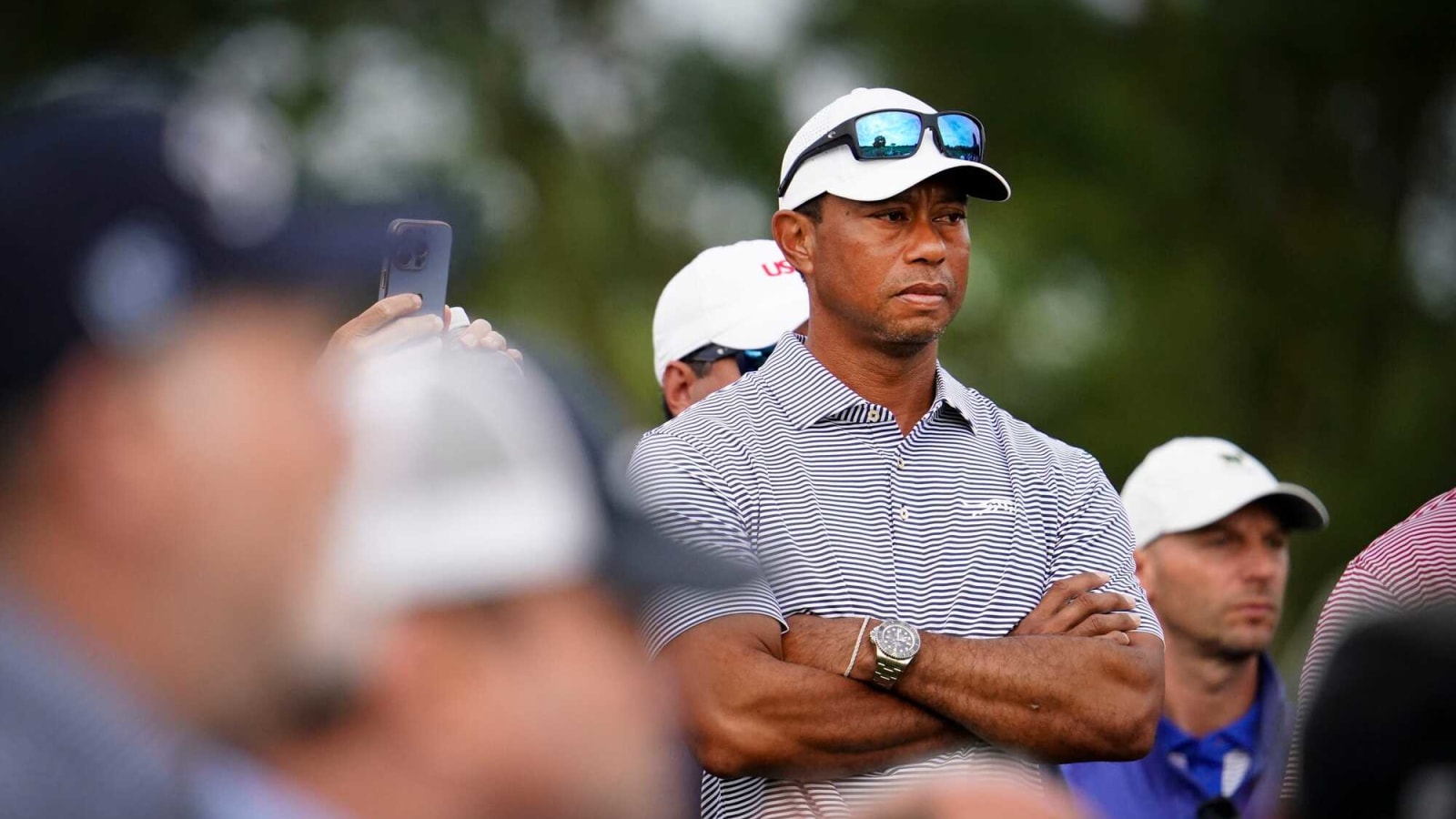
    Tiger Woods, the preeminent golfer of his era, finds himself at number eight on ESPN’s list of top athletes for the 21st century. This position places him as the highest-ranked golfer among the four who made the cut—an achievement in itself. He sits behind notable figures such as Michael Phelps, Serena Williams, and Lionel Messi, but ahead of track sensation Usain Bolt. This ranking is based solely on accomplishments since 2000, meaning Woods’ entire career isn’t taken into account, despite 13 of his 15 major victories occurring within this timeframe.

    Woods’ ranking has stirred debate, especially given the dramatic shifts in his career. While his dominance on the golf course was unparalleled for over a decade, his career has faced significant setbacks due to injuries, a high-profile car accident, and the inevitable effects of aging. Despite these challenges, Woods’ standing at eighth place is still contentious among fans and analysts.

    The Top Contenders

    ESPN’s top ten list includes several giants of their respective sports. Michael Phelps leads the list at number one, thanks to his extraordinary tally of 23 Olympic gold medals. Serena Williams follows at number two, with her impressive collection of 23 Grand Slam titles. Lionel Messi, renowned for his exceptional skill and numerous football accolades, holds the third spot. LeBron James, a transformative force in basketball, is fourth, while football star Tom Brady comes in fifth. Tennis great Roger Federer is sixth, showcasing his remarkable career achievements. Gymnast Simone Biles occupies the seventh spot, and Woods finds himself at eighth. Bolt, known for his sprinting prowess, is ranked ninth, with Lakers legend Kobe Bryant rounding out the top ten.

    The sheer strength of this list makes it difficult to argue for a specific ranking. The achievements and impact of each athlete are significant, and any position within this top ten is commendable. However, the discussion often centers on whether Woods should have been placed higher, given his revolutionary impact on the sport of golf.

    Woods’ Impact on Golf

    Tiger Woods’ influence on the game of golf extends far beyond his impressive list of achievements. His career achievements, while perhaps not as numerous as Phelps’ Olympic medals or Williams’ Grand Slam victories, are still monumental. Woods has been a transformative figure in golf, bringing the sport into the mainstream and attracting a new, diverse audience. His presence on the golf course energized a sport that had struggled to find a new star following the decline of legends like Jack Nicklaus and Arnold Palmer.

    Woods’ career, marked by periods of both dominance and adversity, reflects his enduring impact on golf. His ability to capture the public’s imagination, revolutionize the sport’s viewership, and inspire countless young athletes around the world underscores why many feel he deserves a higher placement on the list.

    Comparing Sports and Achievements

    The ranking of athletes across different sports inherently involves comparing disparate accomplishments. The global appeal of the Olympics and the prominence of American sports like basketball and tennis often influence such lists. For instance, Phelps’ dominance in swimming, Williams’ unparalleled success in tennis, and Messi’s extraordinary soccer career make their rankings understandable. In contrast, the global impact of golf is often overshadowed by sports with broader appeal, such as basketball and football.

    Woods’ placement at eighth might reflect the panel’s preference for the broader appeal of sports like basketball and tennis, as well as the Olympics’ global reach. Yet, for golf enthusiasts, Woods’ transformative influence and on-course successes might justify a higher position, potentially within the top five or even top three.

    The Perception of Golfers on the List

    The inclusion of other golfers on the list provides additional context. Phil Mickelson, a perennial competitor to Woods, is ranked 68th. Annika Sorenstam, a trailblazer in women’s golf, is 89th, and Rory McIlroy, one of the current stars of the sport, is 93rd. The relative placement of these golfers compared to athletes from other sports suggests a certain level of bias or differing perceptions about the global impact of golf versus other sports.


    The discrepancy in the number of golfers on the list compared to athletes from sports like soccer or tennis highlights this bias. With only four golfers making the top 100 compared to multiple representatives from soccer and tennis, the list reflects a broader trend in how sports are valued and perceived globally.

    Contentment in the Top Ten

    Despite the debate over his exact placement, being ranked in the top ten of ESPN’s list is a significant achievement for Tiger Woods. This position acknowledges his remarkable contributions and profound impact on the sport of golf. It’s a testament to his extraordinary career and the way he has shaped the sport’s landscape. The discussions and debates spurred by this ranking are a natural part of the sports culture, reflecting the passion and engagement of fans and analysts.

    ESPN’s Eclectic Rankings

    ESPN’s list represents an eclectic mix of global athletic achievements, highlighting the diversity of sports and the wide range of accomplishments within them. Woods’ eighth-place ranking, while potentially seen as low by some golf enthusiasts, still signifies his extraordinary impact and success. The list serves to celebrate the greatest athletes of the 21st century and to foster engaging debates among sports fans worldwide.

    Conclusion

    Tiger Woods’ position at eighth on ESPN’s list of top 21st-century athletes may seem understated to some, particularly given his transformative role in golf. However, this ranking reflects a complex interplay of achievements, sports popularity, and global impact. Woods’ legacy in golf remains unparalleled, and the debates over his placement underscore the enduring excitement and passion for sports and their greatest stars. Despite the challenges of comparing achievements across different sports, Woods’ extraordinary journey and contributions to golf are firmly recognized and celebrated.

  • Rory McIlroy’s unexpected Olympics golf confession speaks volumes

    Rory McIlroy’s unexpected Olympics golf confession speaks volumes

    Rory McIlroy’s Unexpected Confession on Olympic Golf: A Deep Dive into the Northern Irishman’s Experience and Reflections


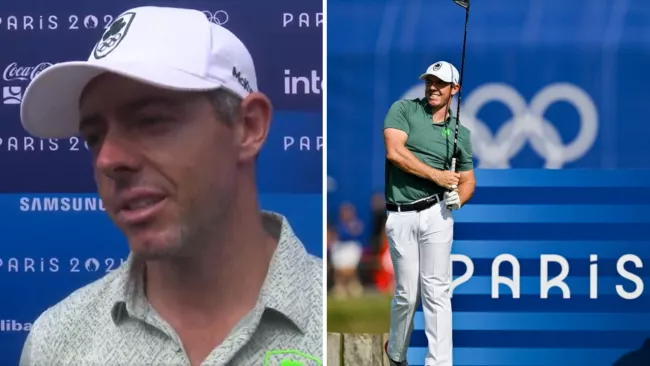
    In the realm of elite sports, where intense competition and high stakes define the experience, Rory McIlroy’s recent comments on the Olympic golf event in Paris have introduced a fresh perspective on the atmosphere and excitement of this global stage. After narrowly missing out on a podium finish in Tokyo, McIlroy, the Northern Irish golfer, is back in contention for a medal at the Paris Olympics, and his reflections offer intriguing insights into the unique nature of Olympic golf.


    McIlroy’s Unconventional Take on Olympic Golf


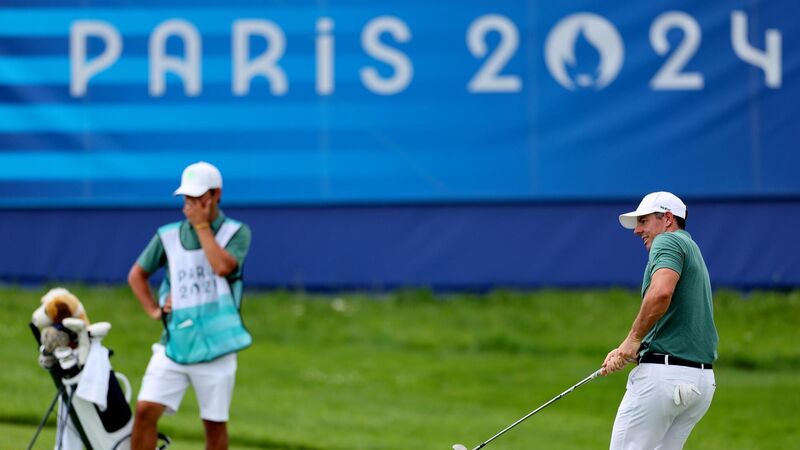
    Rory McIlroy’s candid remarks about the Olympic golf experience shed light on a lesser-discussed aspect of the sport. According to McIlroy, the atmosphere at the Paris Olympics feels notably distinct from that of a major golf tournament. While major championships like The Masters, the U.S. Open, the Open Championship, and the PGA Championship are celebrated for their prestige and historical significance, McIlroy describes the Olympic golf event as embodying a more relaxed and festive ambiance.


    McIlroy’s comments emerged amidst intense competition through three rounds of Olympic golf action. Spain’s Jon Rahm and American golfer Xander Schauffele are currently leading the field, both at 14-under par, with Schauffele having previously triumphed in the PGA Championship and the Open Championship. Tommy Fleetwood of Team GB trails by a single stroke, while McIlroy, showing resilience and skill, sits four shots off the lead after a notable third-round score of 66.


    A New Perspective on Olympic Golf


    When asked about the atmosphere of the Olympic golf event, McIlroy made a compelling comparison. “It’s hard,” he acknowledged. “You don’t get this atmosphere at the Masters. It’s different. I think it’s a little more fun than a major. Sort of like a celebration in a way.”


    This perspective highlights a contrast between the high-pressure environment of traditional major tournaments and the vibrant, celebratory nature of the Olympics. McIlroy suggests that the Olympic event possesses a unique energy, characterized by enthusiastic crowds and a festive atmosphere that differentiates it from the often solemn and intense ambiance of major golf tournaments.


    Further reflecting on his experiences, McIlroy mentioned that the Olympic event’s appeal extends beyond the competition itself. “The one thing that we’ve been taken aback by is just how many people are out there,” he said. “I think that was the thing that I’ve been surprised by. Actually, my first one was Tokyo.”


    The Evolution of McIlroy’s Mindset


    McIlroy’s remarks also touch on the evolution of his mindset towards the Olympics. His initial experience in Tokyo 2020 left him with a changed perspective. “I think I was in a certain mindset going into Tokyo and I left with a different mindset, just like I’ve done a lot of times in my career because I’m ignorant and naïve and don’t give things much thought. But once you experience things, you start to see what the hype is about.”


    This reflection underscores a common theme among athletes: the transformation of their perception through firsthand experience. For McIlroy, the Olympic Games have revealed dimensions of the sport that were not initially apparent, enriching his understanding and appreciation of the event.


    The Thrill of Competition


    As the tournament approaches its final day, McIlroy is enthusiastic about the competitive landscape and the caliber of players involved. “It’s amazing for the game to see all those sorts of players up there,” McIlroy remarked. The presence of prominent figures such as Xander Schauffele, who has had an exceptional year, world number one Scottie Scheffler, and Jon Rahm, adds to the excitement of the final round. McIlroy also noted impressive performances by emerging talents, such as Nicolai Hojgaard’s remarkable 62 on the day.


    The competitive nature of the event, combined with the presence of top golfers and the fervent support from fans, makes the final day of action at Le Golf National a highly anticipated conclusion to the Olympic golf competition.


    Conclusion: The Enduring Appeal of Olympic Golf


    Rory McIlroy’s unexpected confession about the Olympic golf experience reveals a multifaceted view of the event. While major tournaments hold their own revered place in the golfing world, the Olympics offer a distinct atmosphere that blends competitive intensity with a celebratory spirit. McIlroy’s evolving perception of the Olympics highlights the unique appeal of this global stage, where the joy of competition and the support of enthusiastic crowds create a memorable and enriching experience for athletes and spectators alike.


    As McIlroy competes for his first Olympic medal, his reflections on the Olympic golf experience contribute to a broader understanding of the event’s significance. The excitement and enthusiasm surrounding Olympic golf not only showcase the sport’s global appeal but also emphasize the special nature of this international celebration of athletic excellence.

  • New Ryder Cup U.S. captain Keegan Bradley tells Tiger Woods he can get ‘as involved as he wants to be’

    New Ryder Cup U.S. captain Keegan Bradley tells Tiger Woods he can get ‘as involved as he wants to be’


    Bradley Shares Insights and Excitement Ahead of Ryder Cup

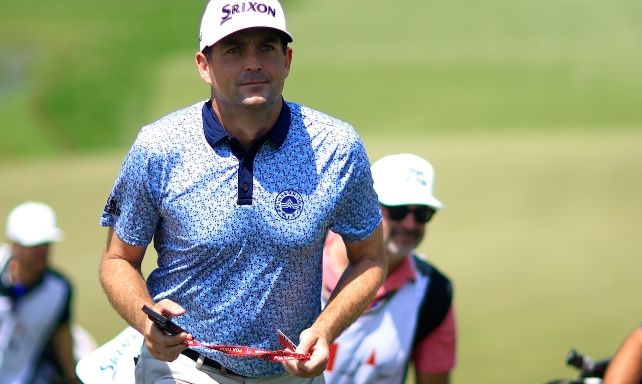
    In recent conversations, golfer Keegan Bradley has shared insights into his upcoming role as Ryder Cup captain. Speaking at last week’s British Open, Bradley revealed his plans and feelings about the prestigious position he has been appointed to. “I’ve told Tiger Woods that I want him to be as involved as he wants to be,” Bradley said, acknowledging the iconic golfer’s potential contribution. “With the British Open taking place right now, we’re not really delving deeply into the specifics of that role. Both of us have our respective jobs to focus on, and I don’t want to distract Tiger with discussions about the Ryder Cup at this moment.”

    The Ryder Cup, a biennial men’s golf competition between teams from Europe and the United States, is still 14 months away, allowing Bradley ample time to prepare. Despite the extended timeframe, Bradley is enthusiastic and anticipates a productive lead-up to the event. At 38 years old, Bradley is a seasoned professional, boasting a successful career with six PGA Tour victories, including his notable win at the 2011 PGA Championship. Additionally, his experience includes participation in the Ryder Cup teams of 2012 and 2014.

    Bradley was officially named Ryder Cup captain two weeks ago. However, he had been aware of his selection nearly three weeks prior to the announcement, a period that proved to be both exciting and challenging for him. “It has been really great seeing the players,” Bradley commented. “Sitting on the news of being the Ryder Cup captain for almost three weeks without anyone knowing was tough. So, coming out here, interacting with the players, particularly at the British Open last week and then here, has been a therapeutic experience. It’s been rewarding to reconnect with the guys and discuss the upcoming event.”

    In a separate but related development, defending champion Lee Hodges is celebrating a personal victory this week. Hodges, who won the previous year’s tournament, feels triumphant simply for making it to the event on time. His sentiment comes in the wake of a significant worldwide tech outage that disrupted travel plans for several competitors. The outage particularly affected players traveling from the Barracuda Championship held in the Lake Tahoe area, creating a ripple effect across the tournament schedules.

    Among those impacted by the travel disruptions were golfer Wesley Bryan and the caddie of another player. Faced with the challenge of reaching the event amidst the tech difficulties, Bryan and the caddie opted for an unconventional solution. They rented a vehicle in Salt Lake City, which did not have a one-way return policy, and undertook a grueling 16-hour drive to Blaine, where the tournament was being held. Despite the arduous journey, their commitment and resilience underscored the determination of the players and their support teams as they navigated the logistical hurdles presented by the outage.

    Overall, both Bradley’s anticipation for his upcoming role and Hodges’ relief at overcoming travel challenges highlight the dynamic and often unpredictable nature of professional golf. As the Ryder Cup approaches and tournaments continue, the dedication and perseverance of these athletes remain at the forefront of the sport.


  • Team GB’s Matt Fitzpatrick Withdraws from 2024 Men’s Olympic Golf Tournament Due to Injury

    Team GB’s Matt Fitzpatrick Withdraws from 2024 Men’s Olympic Golf Tournament Due to Injury

    Team GB’s Matt Fitzpatrick Withdraws from 2024 Men’s Olympic Golf Tournament Due to Injury

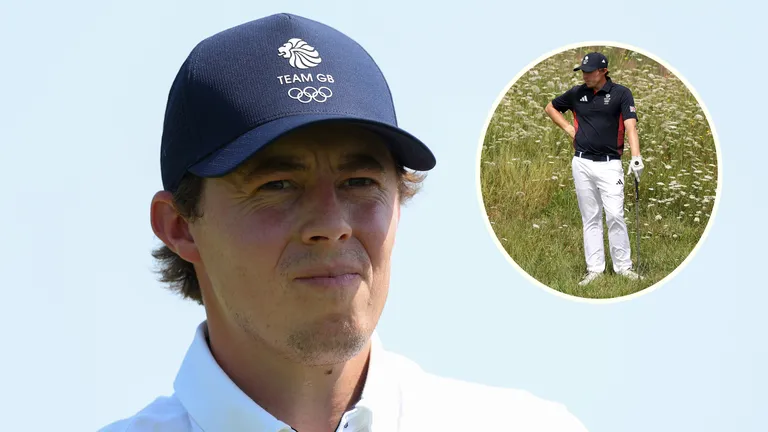
    In a significant turn of events at the 2024 Men’s Olympic Golf event, Team GB’s Matt Fitzpatrick has been forced to withdraw from the competition after completing the third round at Le Golf National. This decision follows a challenging round where Fitzpatrick carded an 81, ultimately ending his bid for Olympic glory. The withdrawal has been officially confirmed by the International Golf Federation, citing a pre-existing right thumb strain as the primary reason for Fitzpatrick’s exit.


    Fitzpatrick’s departure from the tournament is a notable blow for Team GB, as he was a key player in their golf lineup. With his withdrawal, Tommy Fleetwood remains the sole representative from Team GB in the men’s golf event. Fleetwood, who has been competing alongside Fitzpatrick, expressed his deep sympathy for his teammate, acknowledging the difficulty of the situation. “I feel for Fitz, really,” Fleetwood said. “The Olympics is something that’s very special and comes around once every four years. Pulling out due to injury is part and parcel of the sport, but it’s a horrible time for it to happen. I haven’t spoken to him yet, but I really do feel for Fitz.”


    Fitzpatrick’s performance in the tournament had been a mix of highs and lows. He delivered an impressive second-round score of 64, which highlighted his potential and suggested he might be a strong contender. However, his third-round performance was less than stellar. Fitzpatrick struggled significantly, starting with four bogeys and only one birdie over the first twelve holes. This challenging start was compounded by a double-bogey on the 13th hole and a quadruple-bogey on the 15th, which caused him to plummet down the leaderboard.


    The stark contrast between his rounds was noticeable. Fitzpatrick’s bogey-free second round, which featured seven birdies, showcased his capability and form. However, it was clear that the persistent injury played a role in his subpar performance on Saturday. The right thumb strain, which he had been managing throughout the tournament, ultimately proved too debilitating to overcome.


    Fitzpatrick’s season leading up to the Olympics had been somewhat inconsistent. Although he secured a commendable 5th place finish at The Players Championship, his form in recent months had been wavering. He finished outside the top 36 in his last four tournaments, suggesting he was not in peak condition heading into the Olympic event. Fitzpatrick will now be focusing on a swift recovery, with hopes of returning to competitive form in time for the upcoming FedEx Cup Play-offs on the PGA Tour.


    Despite Fitzpatrick’s withdrawal, Team GB still harbors strong hopes for a medal in the men’s golf event. Tommy Fleetwood, who has been performing admirably, remains in contention. Heading into the final round, Fleetwood is just one shot behind the leaders, positioning him well for a potential gold medal finish. His performance so far in the 2024 Olympic Games has been promising, and he will be aiming to secure a medal for Team GB, even in the absence of his teammate.


    As the tournament progresses towards its conclusion, all eyes will be on Fleetwood to see if he can capitalize on his position and bring home a medal for Team GB. The absence of Fitzpatrick, while a setback, has not diminished the team’s overall chances, and Fleetwood’s strong showing offers a glimmer of hope for a successful end to the Olympic golf event.

  • Iga Świątek przyznała, że może mieć „trochę więcej pokory” po odbudowaniu się po druzgocącej porażce w półfinale igrzysk olimpijskich w Paryżu 2024.

    Iga Świątek przyznała, że może mieć „trochę więcej pokory” po odbudowaniu się po druzgocącej porażce w półfinale igrzysk olimpijskich w Paryżu 2024.

    Iga Świątek o swojej pokorze po wygranej w Paryżu 2024

    Iga Świątek niedawno podzieliła się wzruszającą refleksją na temat swojego występu na Igrzyskach Olimpijskich w Paryżu 2024, ujawniając głębsze zrozumienie pokory i ciężaru oczekiwań po burzliwym turnieju. Numer 1 na świecie, która weszła do zawodów jako wyraźna faworytka do złotego medalu w grze pojedynczej kobiet, doświadczyła niespodziewanej i wstrząsającej porażki, która skłoniła ją do poważnej introspekcji.


    Świątek, pięciokrotna mistrzyni Wielkiego Szlema, znana z dominacji na kortach ziemnych, była przewidywana do zdobycia złotego medalu na Roland Garros, wydarzeniu, które stało się synonimem jej sukcesu. Jednak marzenie o olimpijskim złocie zostało zniweczone przez zaskakującą porażkę w półfinale. Przegrała z Zheng Qinwen, szóstą zawodniczką z Chin, która zaskoczyła Świątek swoją grą, wygrywając 6-2, 7-5. Wynik ten był ogromnym zaskoczeniem nie tylko dla Świątek, ale także dla jej kibiców i całego świata tenisa.


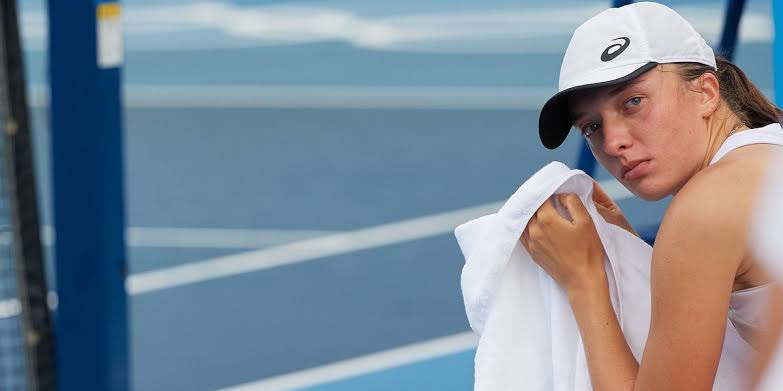
    Porażka pozostawiła Świątek widocznie zdruzgotaną, a emocjonalny koszt straty był wyraźnie widoczny, gdy starała się powstrzymać łzy po meczu. Mimo bólu, Świątek szybko skupiła się na meczu o brązowy medal, zdeterminowana, by zdobyć miejsce na podium. Następnego dnia pokazała swoją niezwykłą zdolność do odbudowy się po przeciwnościach, pewnie pokonując Annę Karolinę Schmiedlovą ze Słowacji wynikiem 6-2, 6-1, zdobywając brązowy medal.


    W swoich wywiadach po meczu, 23-letnia Świątek zaoferowała wnikliwą i odkrywczą refleksję na temat swojej olimpijskiej podróży. Przyznała, że zmagała się z intensywnym ciśnieniem związanym z reprezentowaniem swojego kraju na tak wysokim poziomie, ciśnieniem, którego nie w pełni przewidziała. Świątek szczerze przyznała, że jej sposób myślenia zmienił się z dążenia do osobistego osiągnięcia na dźwiganie ciężaru narodowych oczekiwań.


    „Właściwie zrozumiałam dopiero wczoraj, że tak naprawdę nie grałam dla siebie” – wyjaśniła Świątek. „Grałam bardziej dla wszystkich innych – dla mojego kraju, dla mojego zespołu i dla wszystkich, którzy mieli nadzieję, że zdobędę medal, zwłaszcza złoty medal. Nie byłam do końca świadoma, jak głęboko to ciśnienie mnie dotykało i ile emocjonalnego bagażu ze sobą niosłam.”


    Świadomość Świątek obejmowała również przyznanie się do walki z presją sytuacji, zauważając, że mogło to wpłynąć na jej występ. „Wiem, że nie grałam tutaj na swoim najwyższym poziomie” – powiedziała. „Nie czułam się, jakbym mogła poruszać się naturalnie i grać tak, jak jestem przyzwyczajona na ziemnych kortach. Mimo tego, cieszę się, że udało mi się przebrnąć przez trudności i zdobyć brązowy medal.”


    Komentarze Świątek zawierały również refleksję na temat jej własnego podejścia do radzenia sobie z presją. Przyznała, że mogła niedocenić wyzwania, co doprowadziło do okresu arogancji. „Mogłam być trochę zbyt arogancka wobec siebie” – przyznała. „Myślałam, że skoro radziłam sobie z dużą presją wcześniej, to poradzę sobie również w tej sytuacji. To doświadczenie wiele mnie nauczyło i teraz jestem jeszcze bardziej zmotywowana do cięższej pracy oraz do podchodzenia do przyszłych wyzwań z większą pokorą.”


    Bezpośrednio po porażce w półfinale, Świątek znalazła się w stanie emocjonalnego chaosu. Perspektywa rywalizacji o medal brązowy dostarczyła jej niezbędnego rozproszenia i poczucia celu, pomagając jej poradzić sobie z przytłaczającym rozczarowaniem poprzedniego dnia. „Myślę, że gdybym nie grała dzisiaj, płakałabym przez tydzień” – przyznała. „Musiałam się zebrać i skoncentrować. Prawdopodobnie płakałam przez około sześć godzin wczoraj – było naprawdę ciężko.”


    Refleksje Świątek na temat jej emocjonalnego przeżycia podkreślają intensywne osobiste i zawodowe presje, z jakimi borykają się elitarni sportowcy. Przyznała, że mimo że sport i tenis są ważnymi aspektami jej życia, emocjonalny wpływ jej olimpijskiej podróży był głęboki, porównując porażkę do osobistego złamania serca. „Czasami wydaje się, że to tylko sport i tenis, a ja zwykle mam pewien dystans do tego, rozumiejąc, że to tylko część mojego życia” – powiedziała. „Ale tym razem czułam, jakby ktoś naprawdę złamał mi serce. To naprawdę było szalone doświadczenie.”


    Dzięki tym refleksjom, Świątek dała szczery wgląd w wewnętrzne zmagania elitarnych sportowców nawigujących w obliczu wysokich stawek. Jej podróż od głębokiego rozczarowania do zdobycia brązowego medalu nie tylko podkreśla jej odporność, ale także jej rozwój i ewoluujące zrozumienie pokory wobec intensywnych oczekiwań.

  • Rory McIlroy blames his ‘ignorance and naivety’ for initial Olympic scepticism

    Rory McIlroy blames his ‘ignorance and naivety’ for initial Olympic scepticism

    Rory McIlroy Reflects on Past Olympic Skepticism and Eyes Medal Contention with Strong Round

    Rory McIlroy has recently acknowledged that his initial skepticism about Olympic golf stemmed from a blend of ignorance and naivety, revealing a significant shift in his perspective over the years. The Holywood native, a four-time major champion, previously opted out of the 2016 Rio Olympics, citing a reluctance to choose between representing Team GB or Ireland, despite his history of representing Ireland in underage and amateur levels. His change in attitude towards the Olympic Games is akin to his evolving stance on the Ryder Cup, demonstrating how personal experiences have reshaped his outlook.


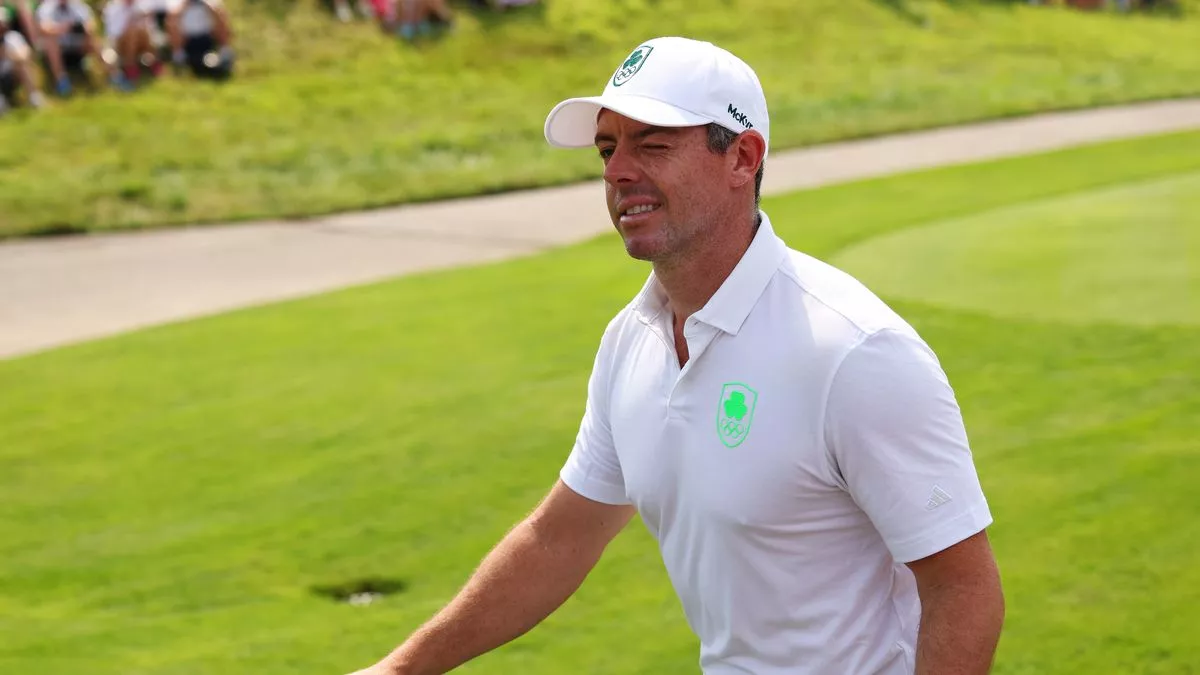
    McIlroy’s transformation in attitude towards Olympic golf has become particularly evident with his performance in the current tournament. His bogey-free, five-under-par round on Saturday has significantly boosted his chances of securing an Olympic medal. This impressive performance positions him well behind the tournament leaders, offering him a solid opportunity to make a significant impact on the final day.


    Reflecting on his change of heart, McIlroy admitted that his initial dismissal of Olympic golf was a result of a lack of understanding and a somewhat dismissive attitude. Speaking after his third round, where he shot a 66 at Le Golf National, McIlroy described his previous indifference as a form of ignorance. He recalled his experience in Tokyo, noting how he was taken aback by the enthusiastic support and the sheer number of spectators.


    “I think the one thing that we’ve been taken aback by is just how many people are out there,” McIlroy said. “My first Olympic experience was Tokyo, and it was striking to see the contrast between the empty practice days and the bustling atmosphere with 20,000 people cheering. It was really cool and eye-opening.”


    McIlroy’s initial skepticism and indifference were replaced with a newfound appreciation as he experienced the Olympic atmosphere firsthand. His mindset has evolved, mirroring his career’s pattern of shifting perspectives based on new experiences. This realization highlights how he has come to value the Olympic experience, viewing it as a significant event with its unique flavor.


    In the current Olympic competition, McIlroy has positioned himself as a strong contender for a medal. His bogey-free round on Saturday, shooting five-under-par, has left him trailing closely behind the leaders. With Jon Rahm and Xander Schauffele tied at 14-under-par, and Tommy Fleetwood just one shot behind them, McIlroy is in a favorable position, sitting at 10-under-par. His performance underscores his ability to improve steadily throughout the tournament.


    “I’m sort of getting a little better each and every day,” McIlroy noted. “The first two days were marred by mistakes, but today I focused on minimizing those errors. It was a solid round, and it puts me in a good position for a medal tomorrow.”


    McIlroy’s strategy has involved consistent play on the front nine, where he has scored three-under-par each day so far. He believes that replicating this performance on Sunday will place him in a strong position to contend for a medal as the tournament nears its conclusion. The final round at the 2018 Ryder Cup venue promises to be an exciting challenge, given the presence of many top competitors.


    The leaderboard features several prominent names, adding to the excitement of the final round. McIlroy highlighted the competitiveness of the field, mentioning players like Xander Schauffele, who has had an impressive year, and Scottie Scheffler, the current top-ranked player in the world. He also noted the remarkable performance of younger players like Nicolai Hojgaard, who shot a 62 on Saturday. The strong field makes for a thrilling conclusion to the tournament.


    While Jason Day has compared the Olympic atmosphere to that of a major championship, McIlroy offers a slightly different perspective. He finds the Olympic environment distinct from the traditional major tournaments, describing it as more fun and celebratory. “It’s hard to compare this atmosphere to that of the Masters,” McIlroy said. “It’s different—more of a celebration, with a crowd that’s perhaps a bit more enthusiastic.”


    Looking ahead to Sunday, McIlroy’s goal is to deliver his lowest round of the week, aiming for a score of at least 65. He recognizes that achieving this will depend not only on his own performance but also on how the leaders perform. With the competition as tight as it is, McIlroy remains focused on his target, hoping that a strong finish will secure him an Olympic medal and affirm his evolved perspective on the event.