Category: Disclaimer

  • Tommy Fleetwood’s huge net worth, wife and manager Clare, and why son went viral at 4

    Tommy Fleetwood’s huge net worth, wife and manager Clare, and why son went viral at 4

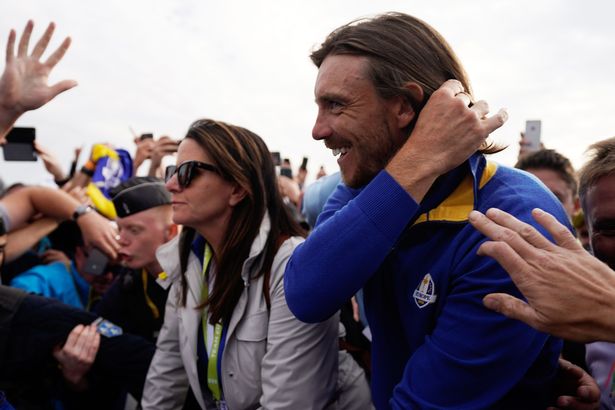
    As Tommy Fleetwood gears up to represent Team GB at the Paris 2024 Olympic Games, he is not just another golfer hoping to make his mark; he’s a seasoned competitor with a fascinating personal life and a substantial net worth. With ambitions of following in the footsteps of Justin Rose, the Englishman is set to compete against some of the best golfers in the world. Here’s a deep dive into who Tommy Fleetwood is, his impressive career, and the people who have shaped his life.

    Who is Tommy Fleetwood?

    Tommy Fleetwood, hailing from Southport, England, has made significant strides in the world of golf. Known for his impressive performances on both the PGA Tour and the European Tour, Fleetwood has notched up seven wins on the European circuit and claimed victory on the Sunshine Tour and the Challenge Tour. Despite his numerous achievements, Fleetwood has yet to secure a win in a major tournament, a feat he has come close to on several occasions.

    Fleetwood’s near misses include a third-place finish at the 2024 Masters, where he finished behind Scottie Scheffler and Ludvig Åberg, and second-place finishes at the 2018 US Open and the 2019 Open Championship. His best performance in a PGA Championship came in 2022 when he finished tied for fifth. Tommy made his Olympic debut at the Tokyo 2020 Games, but his performance fell short of expectations, leaving him tied for 16th. He’ll be looking to improve on that result at this summer’s Games in Paris.

    The Net Worth of Tommy Fleetwood: A Financial Snapshot

    As of March, Tommy Fleetwood’s net worth is estimated at an impressive £15.7 million ($20 million). His financial success is largely attributed to his achievements on the golf course and lucrative endorsement deals. Fleetwood’s sponsorships include major brands like BMW, Nike, Tag Heuer, and TaylorMade, though specific figures for these deals are not publicly disclosed.

    Despite the financial rewards of a successful golfing career, Fleetwood will not receive any additional monetary gain from his Olympic performance, as Team GB does not offer bonuses to athletes for their achievements. Nonetheless, Fleetwood’s net worth reflects his considerable success in the sport and his adeptness at securing high-profile endorsements.

    Tommy Fleetwood’s Personal Life: Love, Marriage, and Family

    Tommy Fleetwood’s personal life is as captivating as his career. He met his wife, Clare, through his brother Joe, who worked with her at Hambric Sports Management. Fleetwood joined Hambric in 2015, and by the end of that year, Clare had become his manager. Their professional relationship soon blossomed into a personal one. Clare, who is 23 years Fleetwood’s senior, initially rebuffed his advances, but their relationship eventually turned romantic.

    Clare and Tommy announced their engagement in June 2017, and they were married later that year in December on a picturesque beach in the Bahamas. Clare, who has two sons from a previous relationship, gave birth to their first child together, Franklin Fleetwood, in September 2017.

    Franklin Fleetwood: The Viral Sensation

    Franklin Fleetwood, known affectionately as Frankie, became an internet sensation at just four years old. During the 2022 Par 3 Contest held before the Masters, Frankie made headlines for his adorable role as his father’s caddie. Dressed in a full caddie bib, Frankie charmed spectators with his enthusiastic sprinting between the tee box and the green, capturing the hearts of fans and going viral in the process.


    As Tommy Fleetwood continues his pursuit of Olympic gold, his story is not only about his golf career but also about his journey through personal and professional milestones. From his remarkable achievements on the course to his rich family life and the viral moments with his son, Tommy Fleetwood is a figure who embodies dedication and success in both his professional and personal spheres.
  • Rory McIlroy sends warning to golf bosses at Olympics and says something must change

    Rory McIlroy sends warning to golf bosses at Olympics and says something must change

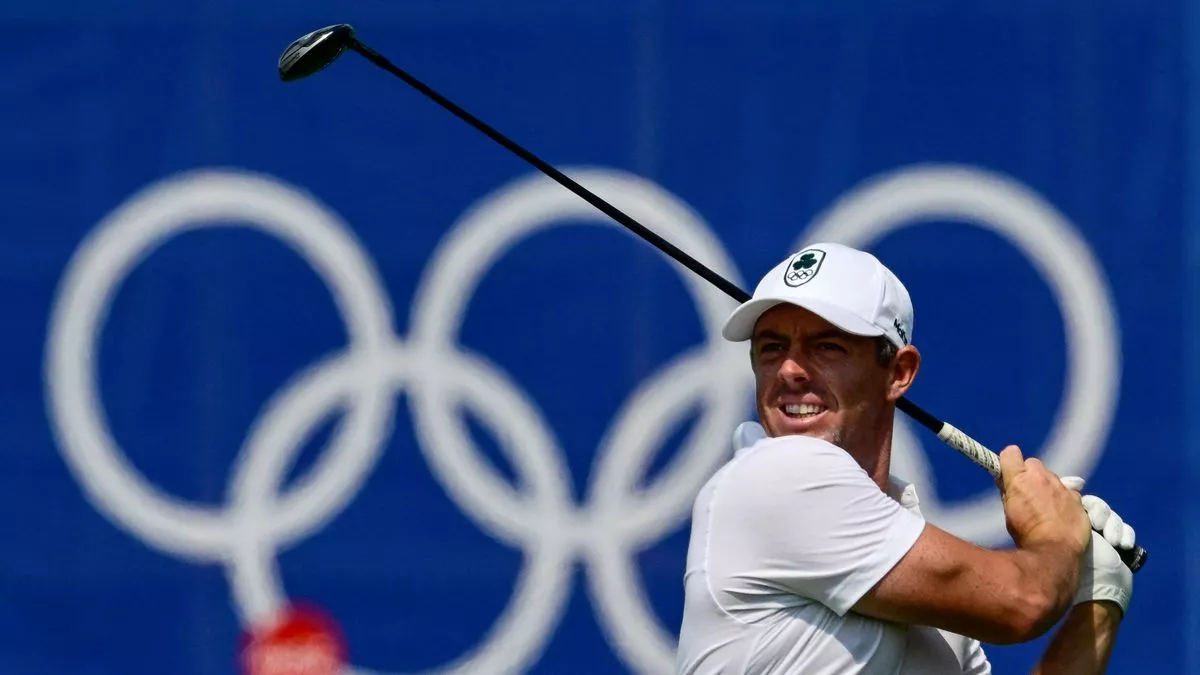
    Rory McIlroy has expressed concerns about the potential clash between the 2028 Los Angeles Olympic Games and the golf calendar, highlighting that significant adjustments may be necessary. McIlroy, a prominent figure in professional golf, has voiced his apprehensions regarding the timing of the Olympics in relation to major golfing events, particularly the Open Championship.


    The 2028 Olympic Games in Los Angeles are set to commence on Friday, July 14, which is coinciding with this year’s Wimbledon final. This scheduling presents a significant challenge for the golf calendar, as the Open Championship at Royal Troon is slated to begin on July 18, just a few days after the Olympics start. McIlroy’s concern is that the overlap could create a scheduling conflict that places undue pressure on players and disrupts the traditional golf calendar.


    Since golf’s return to the Olympics in 2016, the sport has seen substantial growth and enthusiasm, as evidenced by the large crowds at Le Golf National during the first rounds. However, McIlroy is wary of the potential complications the 2028 Games could bring, particularly with regard to the crowded schedule of golf tournaments. He notes that while the Olympics in Los Angeles will pose more challenges than previous Games, the situation may evolve as the world of golf changes over the next few years.


    McIlroy’s concern extends to the possibility of the Open Championship being rescheduled to accommodate the Olympics, but he suggests that such a move might be impractical due to the overlapping Wimbledon schedule. He points out that there are numerous golf tournaments packed into the calendar, and finding adequate space for all events is becoming increasingly difficult. McIlroy emphasizes that “something needs to give” in the golf schedule to avoid these conflicts.


    Negotiations are currently underway between the PGA and DP World Tours, as well as the Saudi Public Investment Fund, which owns LIV Golf, to address the scheduling issues and potentially reach a new agreement. This ongoing dialogue is crucial as it seeks to address the growing concerns of players and stakeholders in the sport.


    The Olympic golf events, which currently feature 60 players in both the men’s and women’s competitions, involve 72-hole stroke play. There is also discussion about introducing a mixed team event, which would further complicate the already tight golf calendar. McIlroy himself did not participate in the Rio 2016 Olympics and missed out on a medal in Tokyo 2020 due to the Covid-19 pandemic, which affected the Games’ structure and scheduling.


    McIlroy, who is competing in the current Olympics representing Ireland, has been impressed by the French enthusiasm for golf. He describes the atmosphere as vibrant and engaging, noting the success of the Ryder Cup in France and the current positive reception of golf at the Olympics. This positive environment contrasts with the challenges posed by the previous Games in Tokyo, which were impacted by the pandemic.


    As of the third round, McIlroy is six shots behind the leaders, Tommy Fleetwood, Hideki Matsuyama, and defending champion Xander Schauffele. He has attributed his struggles in the early rounds to the wet conditions, which have made the course softer and more challenging than expected. McIlroy had anticipated firmer and drier conditions typical of Parisian summer weather, but the lush rough and softer course have made play more difficult.


    Reflecting on the conditions, McIlroy notes that his approach to the game has evolved, and he now appreciates firmer, drier conditions more than he did in the past. He remains hopeful that drier weather over the next few days will make the course more manageable and provide opportunities to improve his standing.


    In summary, Rory McIlroy’s concerns about the golf calendar and its overlap with major events like the Olympics underscore the need for careful planning and flexibility in scheduling. As golf continues to grow in popularity and its presence in the Olympics expands, finding a balance that accommodates all significant events will be crucial for the sport’s continued success and the well-being of its players.

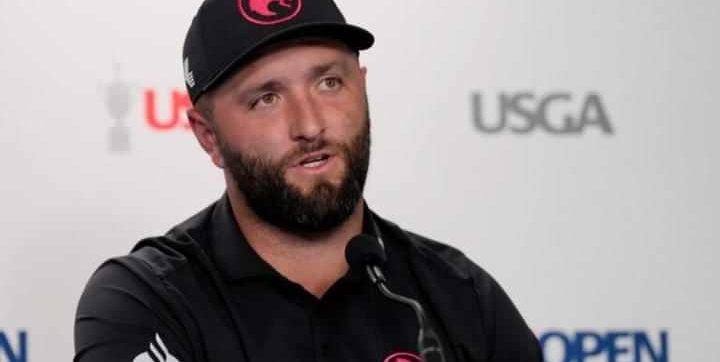
  • Jon Rahm reflects on his main reason for joining LIV Golf: It wasn’t just for the money; it was because of him.”

    Jon Rahm reflects on his main reason for joining LIV Golf: It wasn’t just for the money; it was because of him.”


    In a startling confession that has sent shockwaves through the golf world, Jon Rahm has opened up about his decision to leave the PGA Tour and join LIV Golf. Far from being solely driven by the substantial financial incentives, Rahm’s revelation unveils a more complex and personal motive behind his high-profile switch.


    In a recent interview, Rahm offered an unprecedented look into the reasoning that guided his controversial move. “It wasn’t just for the money that I joined LIV,” Rahm stated candidly. “It was because of him.” The cryptic nature of this comment has left fans and critics alike speculating about the underlying factors that influenced his decision.


    For months, speculation had swirled around the notion that financial gain was the primary driver behind Rahm’s departure from the PGA Tour. The staggering sums of money offered by LIV Golf have been well-documented, leading many to believe that the lucrative contracts were the main appeal. However, Rahm’s latest statement challenges this narrative and hints at deeper, more personal motivations.


    The enigmatic “him” mentioned by Rahm has been the subject of intense speculation. Industry insiders, fellow golfers, and fans have all been attempting to decipher the identity and significance of this individual. Some suggest that it could be a figure of immense influence or personal importance to Rahm, someone whose presence or actions had a profound impact on his career decisions.


    This revelation comes at a time when the landscape of professional golf is undergoing seismic shifts. LIV Golf, backed by substantial financial resources and boasting a roster of elite players, has been at the center of a debate over the future of the sport. Rahm’s departure from the PGA Tour was seen as a significant moment in this ongoing transformation, making his reasons for the switch all the more intriguing.


    As the golf world digests Rahm’s comments, the question on everyone’s mind is: who is this mysterious “him,” and what role did he play in Rahm’s decision to join LIV Golf? The answer to this question could potentially reshape perceptions of Rahm’s career and the broader dynamics of professional golf.


    For those who have been following the saga of Rahm’s career, this revelation adds a new layer of complexity and intrigue. The financial aspects of his move were already well-publicized, but this new insight into Rahm’s personal motivations promises to captivate audiences and provoke further discussion about the evolving world of professional golf.

  • “Golf Nightmare: Xander Schauffele’s Stunning Olympic Round Interrupted by Mysterious Disruption—Find Out What Happened!”

    “Golf Nightmare: Xander Schauffele’s Stunning Olympic Round Interrupted by Mysterious Disruption—Find Out What Happened!”

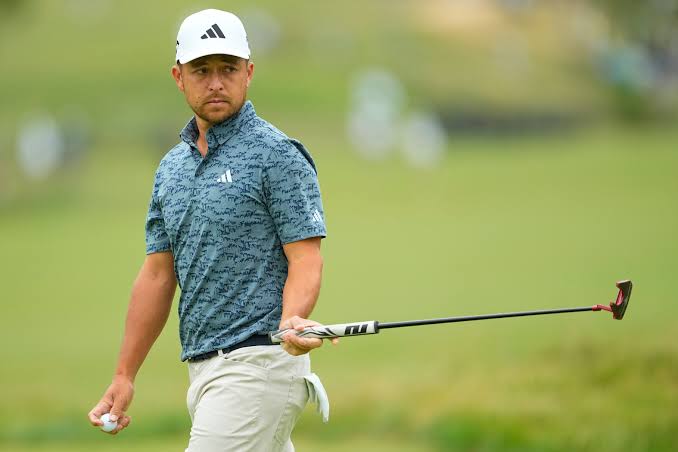
    Unexpected Incident Halts Xander Schauffele’s Surge in Olympic Golf

    In a dramatic turn of events during the Olympic golf tournament, Xander Schauffele’s impressive performance faced an unusual interruption. Schauffele, who had been making significant strides on the course, encountered an unforeseen complication that momentarily halted his charge.


    The incident occurred in a crucial moment of the round. As Schauffele prepared for his next shot, an unexpected interruption emerged. According to reports, while Schauffele was lining up his shot, an issue arose involving his golf ball. The situation unfolded as a fellow competitor or a spectator, inadvertently or otherwise, interacted with the area around Schauffele’s ball. This caused a brief but notable disruption in Schauffele’s rhythm and concentration.


    The ruling on the course, made by officials, was critical in determining how the situation would impact Schauffele’s round. The officials were faced with the challenge of assessing the circumstances and making a decision that would maintain the integrity of the competition while addressing the unusual disturbance. The ruling was pivotal not only for Schauffele’s round but also for the overall flow of the tournament.


    Despite the interruption, Schauffele’s resilience and skill were on full display. He managed to refocus and continue his play, showcasing his ability to handle adversity. The incident, while disruptive, did not diminish his competitive spirit. Schauffele’s performance remained strong, reflecting his determination to excel despite the unexpected challenges.


    This interruption highlights the unpredictability inherent in live sports events, where factors beyond the control of players can influence the outcome. The situation was a testament to the dynamic nature of golf and the need for players to adapt to various circumstances as they arise.


    As Schauffele continued his round, his ability to maintain composure and execute his shots under pressure was commendable. The incident served as a reminder of the complexities involved in professional sports and the importance of adaptability and focus for athletes striving to achieve their best performance.


    Overall, the interruption was a noteworthy moment in Schauffele’s Olympic journey, illustrating both the challenges and the resilience required in the pursuit of excellence in competitive golf.

  • Jason Day Becomes a ‘Disgrace’ at Olympics as Fans Question His Worth To Represent Australia

    Jason Day Becomes a ‘Disgrace’ at Olympics as Fans Question His Worth To Represent Australia

    Jason Day Becomes a ‘Disgrace’ at Olympics as Fans Question His Worth To Represent Australia


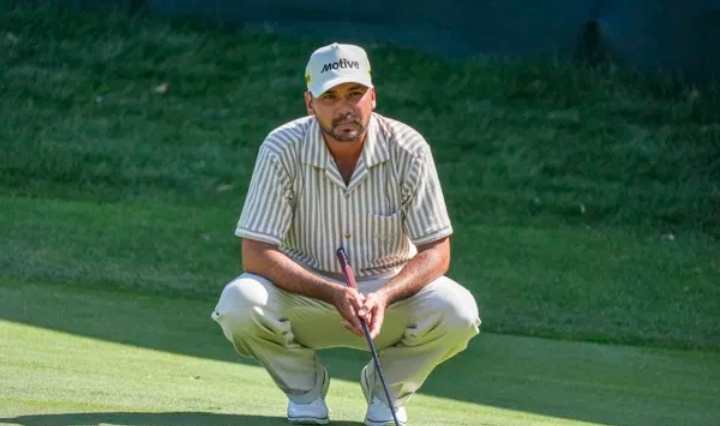
    It’s happening again!! Just like the major tournaments, Jason Day is again in the spotlight. Surprisingly, this time the pro isn’t drawing attention for his bizarre outfits. However, he is still facing the community’s wrath for a different reason: fans are not convinced that he is a ‘worthy’ choice to represent Australia. Day shot 69, and 68 on the first two days of competition at Le Golf National, but still managed to garner the negative attention.


    Bringing the Australian representation into the picture, recently “@ProGolfCritic” shared a post on X, captioning “Has Min Woo Lee done anything of note in 2024 on the @PGATOUR? It’s a rhetorical question.” The post also highlighted that despite not delivering an ideal performance on the greens, Lee experienced an increase in his OWGR. It ended with a question: “Lmao. How does Australia feel about him repping instead of Cam in @OlympicGolf?”


    Lee’s last victory was at the 2020 ISPS Handa Vic Open, and he hasn’t won anything since. He also missed the cut at the Open Championship, whereas Day finished at T12 at the same tournament. Despite this, it was surprisingly Jason Day, not Lee, who became the target of fans’ criticism.


    With the Paris Olympics using OWGR rankings for the golf selection criteria, Jon Rahm recently suggested that countries should have the authority to choose their own representatives. Had this been the approach, it might have helped avoid this issue. Not long after the post went viral the comments witnessed multiple remarks from fans. While some talked about Cameron Smith, some started to question Jason Day’s worth.


    Expressing their disappointment this fan added, “Min Woo should be there but J Day should not be representing Australia it’s a disgrace.” Possibly highlighting the fact that the pro hasn’t gone back to Australia to play golf and the fact that he has not done much to develop the sport in Australia too. Agreeing with the previous points and alluding to the fact that Day hasn’t played in the Australian Open for 8 years, another added “I’d rather see Cam than Jason Day, Min-woo comes back and plays in Aus regularly.” Australia has always been on the backend of the golf spectrum, and it is LIV Golf which has been organizing events there to draw the crowd in and show the world that Aussies love golf too.


    This fan also took a jab at Day, saying, “Extremely overrated player and wannabe celebrity IMO.” They highlighted that, despite knowing his bizarre outfits make him a laughing stock in the community, Day continues to wear them from Malbon Golf. Since becoming a brand ambassador in January, he has sported these outfits at tournaments, including the last major. This fan believes Day must enjoy the attention, hence labeling him a “wannabe celebrity.”


    Not exactly targeting the golfer but one fan criticized the Olympic golf selection criteria, saying “Is there anyone saying the system is correct??” Surprisingly, this fan isn’t alone who is disagreeing with the selection criteria. LIV Golfers like Joaquin Niemann and Jon Rahm feel the same. Niemann recently said, “I don’t think it’s fair.” Meanwhile, Rahm believes it should be up to the country to decide who they want representing them at the Olympics and said “allow the countries to pick themselves.”


    While many disagreed that Jason Day shouldn’t be the one representing Australia one fan made a bold statement and said “What has Cam done this year? Absolutely nothing. His careers over you fool.” Possibly referring to the point that Cameron Smith’s last victory was at the 2022 Open Championship, he hasn’t won anything since. This year, he even missed the cut at the Open Championship and left the course early.


  • Often Did This With Tiger Woods”: Caddie Steve Williams Reveals the Secret Behind His Career Success in 2015

    Often Did This With Tiger Woods”: Caddie Steve Williams Reveals the Secret Behind His Career Success in 2015

    Often Did This With Tiger Woods”: Caddie Steve Williams Reveals the Secret Behind His Career Success in 2015


    Steve Williams is a name synonymous with excellence in the world of professional golf caddying. His career, marked by notable achievements and high-profile partnerships, has made him a celebrated figure in the sport. However, his journey has not been without its challenges, including a dramatic split with one of his most famous clients, Tiger Woods. Despite these setbacks, Williams has continued to thrive, earning a net worth of $20 million and cementing his legacy as one of the best in the business.


    In 2015, Williams released his memoir, *Out of the Rough: Inside the Ropes with the World’s Greatest Golfers*, which provides an in-depth look at his illustrious career and the intricacies of his role as a caddie. The book offers readers an inside perspective on the dynamic relationships he had with some of the world’s top golfers, including his well-documented partnership with Woods. Williams’s candid reflections reveal not only his experiences on the golf course but also some unconventional strategies that contributed to his success.


    **The Infamous Split with Tiger Woods**


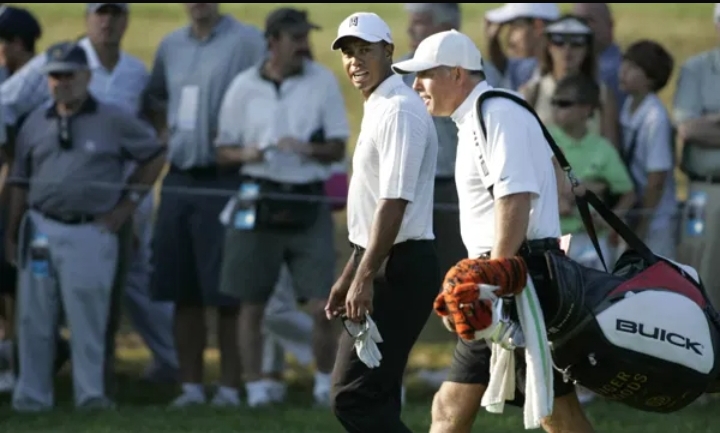
    Williams’s career is perhaps most famously associated with Tiger Woods, with whom he worked from 1999 to 2011. The partnership was highly successful, resulting in Woods winning 13 major championships during their time together. However, their relationship ended in a dramatic fashion following the 2011 U.S. Open when Woods terminated Williams’s services after a decade of collaboration. Despite this setback, Williams’s career did not falter; instead, he continued to pursue his passion for caddying and went on to work with other notable golfers.


    **A Memoir of Triumphs and Insights**


    Williams’s memoir, *Out of the Rough*, published in 2015, offers a rich tapestry of stories from his career, providing readers with a behind-the-scenes look at the world of professional golf. One of the most intriguing revelations from the book is Williams’s use of psychological tactics to enhance his effectiveness as a caddie. The book highlights an approach that Williams used frequently to maximize the performance of the players he worked with, particularly Tiger Woods.


    **The Psychological Edge**


    In his memoir, Williams discloses an unconventional yet strategic approach to caddying: occasionally withholding or distorting information to influence a player’s decision-making process. This tactic, although controversial, was employed to instill confidence and foster a fearless mindset in high-pressure situations.


    Williams explains that when golfers are faced with challenging scenarios, such as navigating through thick rough or dealing with tricky creeks, they rely heavily on their caddie for clear and decisive guidance. Williams emphasizes the importance of delivering a firm answer to a player’s query, stating in his book, “If a player asks you a question, they don’t want to hear umming and ahhing—they want a firm answer.” This emphasis on certainty often led him to withhold or manipulate information, such as the exact yardage, to guide players towards better decisions.


    Reflecting on his time with Tiger Woods, Williams admits, “I often did this with Tiger.” He acknowledges that while this approach might seem unorthodox, it was instrumental in giving his players a psychological edge. Williams describes himself as “less of a confidence booster than a confidence trickster,” highlighting his belief that such tactics were crucial for enhancing his players’ performance.


    **The Synergy of Success**


    Williams’s psychological tactics, combined with Woods’s unparalleled talent and work ethic, created a formidable partnership that dominated the golfing world for over a decade. The Williams-Woods era, spanning from 1999 to 2011, is often regarded as a golden age in golf. During this period, Woods accumulated 13 major championships, with Williams playing a pivotal role in many of these victories.


    **A Storied Career Beyond Tiger Woods**


    While Williams’s association with Tiger Woods is the most high-profile aspect of his career, his caddying journey spans several decades and includes notable stints with other golf legends. Williams began his caddying career at the age of ten at his local club in New Zealand. By the age of 13, he was already working with Peter Thomson, an Australian golfing great and five-time Open Championship winner.


    At 19, Williams’s career took a significant turn when he began caddying for Greg Norman in 1982. This partnership saw him working with Norman across Asia, Australia, and Europe. Although Williams’s time with Norman was relatively brief, it laid the groundwork for his subsequent success. After parting ways with Norman in 1989, Williams found a new opportunity with Raymond Floyd, caddying for him on both the regular and senior U.S. tours until 1999.


    This extensive experience prepared Williams for his landmark partnership with Woods. Beyond Woods, Williams’s career has included work with several other prominent players, including Adam Scott, LPGA star Danielle Kang, and Jason Day. Each of these partnerships has contributed to his reputation as one of the most successful caddies in the sport.


    **The Legacy of Steve Williams**


    Williams’s memoir provides a rare glimpse into the mental and strategic elements of caddying, shedding light on the psychological aspects that can significantly impact a golfer’s performance. His use of tactical deception, while controversial, underscores the complex dynamics between a caddie and their player. As Williams reflects on his career and the strategies he employed, he offers valuable insights into the art of caddying and the mental fortitude required to excel in professional golf.


    In conclusion, Steve Williams’s career is a testament to the profound impact a caddie can have on a golfer’s success. His innovative tactics, combined with his vast experience and the exceptional talent of the players he has worked with, have solidified his place in the annals of golf history. As the golf world continues to evolve, Williams’s story remains a compelling example of the intricate and often unseen factors that contribute to success in this prestigious sport.

  • Olympics Denied Bryson DeChambeau’s Chance To Overtake Wyndham Clark & Co With a Stubborn Decision

    Olympics Denied Bryson DeChambeau’s Chance To Overtake Wyndham Clark & Co With a Stubborn Decision

    Olympics Denied Bryson DeChambeau’s Chance To Overtake Wyndham Clark & Co With a Stubborn Decision

    In the intricate world of golf, where rankings and opportunities often hinge on a fine thread of eligibility and selection, recent decisions have stirred significant debate. One such decision, made by the governing bodies overseeing the Olympics and golf’s world ranking system, has particularly impacted Bryson DeChambeau, a prominent player whose Olympic dreams and chances to gain valuable Official World Golf Ranking (OWGR) points have been thwarted.


    Jon Rahm, a leading golfer known for his candid opinions, recently weighed in on the issue of Olympic golf selection criteria. Rahm suggested that the responsibility for selecting players should be left to the individual countries themselves. This opinion highlights a significant point of contention in the ongoing debate over how golfers are chosen to represent their nations at the Olympic Games. While Rahm’s suggestion may seem to advocate for national autonomy, it also underscores an underlying problem with the current system that has directly affected DeChambeau.


    DeChambeau, who has been a notable figure in the golfing world, has faced considerable challenges due to his affiliation with LIV Golf. LIV Golf, a series that has disrupted traditional golf’s status quo, has found itself at odds with the traditional golf establishment, particularly in matters related to the OWGR. These restrictions have placed LIV-affiliated players, including DeChambeau, in a difficult position, particularly regarding their ability to earn and accrue OWGR points essential for maintaining high rankings and qualifying for prestigious events.


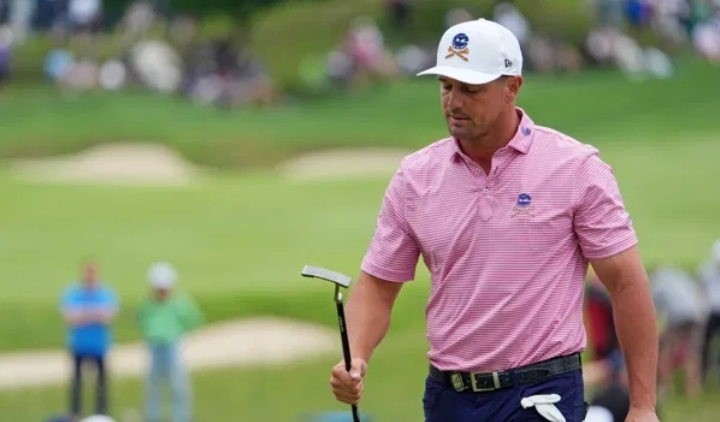
    Despite the hurdles presented by LIV Golf’s contentious relationship with traditional golf circuits, DeChambeau has demonstrated his exceptional skill and perseverance. His triumph at the 2024 US Open, one of golf’s major tournaments, propelled him to the impressive position of #9 in the OWGR. However, even with this notable achievement, DeChambeau was unable to secure a spot in the U.S. Olympic golf team.


    The selection process for the Olympic golf tournament is primarily determined by the OWGR, which ranks golfers globally based on their performances in various sanctioned events. For American golfers to be selected for the Olympic team, they must rank among the top four U.S. players in the OWGR. In DeChambeau’s case, despite his remarkable performance and high ranking, he found himself positioned behind Scottie Scheffler, Collin Morikawa, two-time major winner Xander Schauffele, and, rather unexpectedly, Wyndham Clark.


    This scenario presents a notable example of how the rigid criteria for Olympic selection can inadvertently sideline highly capable players. DeChambeau’s exclusion from the team not only deprived him of the opportunity to compete in the Olympics but also denied him the potential to earn significant OWGR points. According to recent observations shared by golf analyst Bob Harig, winning a gold medal at the Olympics would have awarded the victor approximately 50 OWGR points. These points are highly valuable, as they can significantly impact a player’s ranking and career trajectory.


    Had DeChambeau been part of Team USA and secured the gold medal, he would have been in a position to surpass other prominent golfers, including Wyndham Clark, the 2023 US Open winner. The chance to overtake such competitors and further solidify his place among the top players globally was a missed opportunity due to the stringent selection criteria.


    The exclusion of Bryson DeChambeau from the Olympics, despite his exceptional performance and high OWGR ranking, highlights a broader issue within the sport of golf. It underscores how the intersection of national selection criteria and international ranking systems can create barriers for some of the sport’s most talented players. While the debate continues over the fairness and effectiveness of these criteria, it is clear that changes may be necessary to ensure that deserving players are given the opportunities they have earned through their hard work and dedication.


    In conclusion, Bryson DeChambeau’s situation illustrates a significant challenge within the world of competitive golf. The rigid application of OWGR-based selection criteria for the Olympics has, in this instance, prevented a skilled player from achieving what could have been a career-defining moment. As the sport evolves and the debate over selection criteria continues, it remains to be seen how these issues will be addressed to better balance fairness, opportunity, and merit in future Olympic Games.

  • The Olympics and LIV Golf: A Clash of Branding and National Identity

    The Olympics and LIV Golf: A Clash of Branding and National Identity

    The Olympics and LIV Golf: A Clash of Branding and National Identity

    In a fascinating turn of events at Le Golf National, the sight of LIV Golf professionals on the course has stirred up a mix of intrigue and compliance. Seven LIV Golf players are competing, but their once-prominent LIV branding is nowhere to be seen. This shift marks a significant departure from their previous appearances, especially during major tournaments. At the Royal Troon, Jon Rahm proudly displayed the Legion XIII logo on his shirt, a bold statement of allegiance to his LIV team. However, the Olympics impose stricter regulations, compelling athletes to forgo personal branding in favor of their national teams’ apparel.


    Olympic Restrictions and Branding: A Closer Look

    The International Olympic Committee (IOC) enforces stringent rules on athlete apparel to prevent what is known as “ambush marketing.” This practice involves companies using major events like the Olympics to indirectly promote their brands, creating a false association with the Games. As a result, athletes must adhere to strict guidelines, wearing only their national team’s branding and avoiding any personal or sponsor logos.


    This rule extends to every aspect of an athlete’s attire. Even if players are wearing rival brands or sponsors, they must cover up logos with labels, stickers, or, in some cases, threadbare patches. Despite this, LIV golfers at Le Golf National have managed to adhere to these regulations in an unexpected way. Jon Rahm and his teammate David Puig, both prominent figures on the Saudi-backed LIV Golf circuit, are seen wearing identical jerseys, a subtle nod to their affiliation despite the restrictions.


    The Apparel Shuffle: From Nike to Adidas and Beyond

    The Olympic restrictions on personal branding have led to some curious apparel shifts among golfers. Rory McIlroy, a Nike athlete, is seen wearing Adidas gear, as the latter is the official sponsor for Team Ireland. Similarly, Scottie Scheffler, another Nike ambassador, is outfitted in J.Lindeberg apparel, while his teammate Xander Schauffele sports Descente gear, following his recent partnership with the brand.


    On the flip side, Sweden’s Ludvig Åberg, who has recently joined the professional golf scene, must swap his Adidas gear for UNIQLO apparel, highlighting the unique constraints faced by athletes representing their nations.


    LIV Golf’s Identity Crisis: Between Team Allegiance and National Representation

    For LIV Golf players, the transition from showcasing their team jerseys at majors to conforming to Olympic standards represents a significant adjustment. During major tournaments, LIV golfers like Brooks Koepka and Bryson DeChambeau were seen in their team’s jerseys, a practice that drew both support and criticism from the golf community. The LIV golfers’ attire was not merely a fashion statement but a representation of their affiliation with the emerging league, seeking to gain recognition and respect from the traditional golf establishment.


    Greg Norman, LIV Golf’s chairman, once envisioned a scenario where a major victory by a LIV golfer would be celebrated as a collective team triumph. This vision saw partial fulfillment with Koepka’s win at the 2023 PGA Championship and DeChambeau’s U.S. Open victory. However, despite these wins, there was no organized team celebration, and the practice of wearing team jerseys continued, becoming an expected norm rather than an exception.

    A Historical Perspective: Augusta National and Beyond

    The situation at Augusta National during the Masters Tournament offers an intriguing comparison. Last year, LIV golfers were under an informal agreement to wear unbranded apparel, an attempt to balance personal branding with the prestigious nature of the event. This year, however, there were no such directives from Augusta National Golf Club, allowing LIV team captains like Cameron Smith, Jon Rahm, and Bryson DeChambeau to sport LIV logos freely.


    In contrast, the Olympics enforce a different standard. Here, athletes are required to prioritize national representation over personal or team affiliations, leading to the absence of LIV logos on the course. The shift highlights the unique challenges faced by LIV golfers, balancing their professional identities with the demands of international sporting events.


    Conclusion: Navigating the Complex Landscape of Golf Branding

    The ongoing saga of LIV Golf players navigating the complex landscape of branding and national representation underscores the intricate relationship between personal identity and professional allegiance. As athletes adapt to the IOC’s stringent rules and the shifting dynamics of major golf tournaments, the clash between personal and national identity continues to evolve. For now, LIV golfers at Le Golf National have embraced the challenge, donning their national team jerseys while sidelining their familiar LIV branding. The future will likely bring further developments in this ongoing narrative, as the world of golf continues to grapple with the intersections of sport, politics, and branding.

  • Tom Kim’s High-Stakes Quest for Olympic Gold: One Tournament to Escape Mandatory Military Service in South Korea”

    Tom Kim’s High-Stakes Quest for Olympic Gold: One Tournament to Escape Mandatory Military Service in South Korea”

    “Tom Kim’s High-Stakes Quest for Olympic Gold: One Tournament to Escape Mandatory Military Service in South Korea”

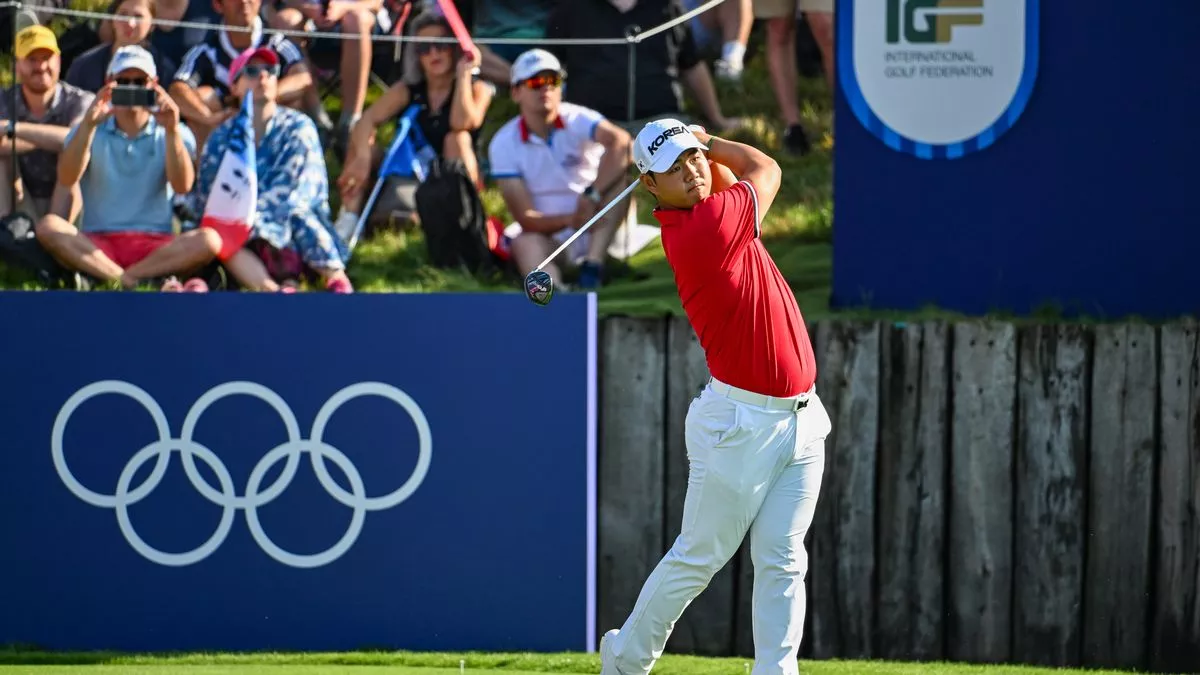
    As the 2024 Olympic Games unfold in Paris, PGA Tour star Tom Kim finds himself in the spotlight for reasons far beyond his impressive golf skills. The 22-year-old South Korean is not only competing for an Olympic gold medal but also for a chance to avoid the looming specter of mandatory military service in his homeland. This high-stakes scenario has added an intense layer of pressure to Kim’s performance at Le Golf National.


    In South Korea, all able-bodied men are required to serve 21 months of military service before they turn 35. However, there’s a notable exception for exceptional athletes who achieve gold in international competitions, which includes the Olympic Games. For Kim, clinching the top prize this week would not only bring glory and recognition but also secure him an exemption from this obligation.


    As the tournament progresses, Kim has showcased a commendable performance. His initial round of five-under-par 66 set a strong foundation, and he maintained his momentum with a three-under-par 68 on the second day. Currently, he stands three shots off the lead with an eight-under-par total, positioning himself as a serious contender as the competition heads into its final stretch.


    Kim is not alone in his pursuit of Olympic success. Fellow South Korean golfer An Byeong-hun, who is also facing the possibility of military service, is sharing the spotlight. Both players have opted to keep the conversation about their military obligations to a minimum, focusing instead on their performance on the course. In a pre-tournament press conference, Kim expressed his dedication to representing South Korea with pride, stating, “I think the easiest answer for us is we’re here to play good this week. We are not focused on that. We are here to represent our country and I want — to be honest, I want me and Ben to be standing in that stadium not for exemption but for our country.”


    Kim’s pursuit of gold is compounded by fierce competition, including English golfer Tommy Fleetwood. Fleetwood, along with Japan’s Hideki Matsuyama and defending champion Xander Schauffele, is tied at the top of the leaderboard. With 36 holes remaining, Kim faces a challenging road ahead. Fleetwood, asked about the unique pressure Kim faces, admitted he could not fully understand it. “Not really, no. Obviously, I guess where we’re from, we don’t grow up even having to think about that or know that that’s coming,” Fleetwood said. “It’s hard, really. Without having any experience of it, so I don’t know. But definitely, I can’t imagine sort of what it’s like.”


    The intense nature of Kim’s situation is highlighted by the recent successes of fellow South Korean golfers Sungjae Im and Si Woo Kim, who earned their exemptions from military service by winning gold at the 2023 Asian Games. Their achievement has set a precedent and raised expectations for Kim and his compatriot An Byeong-hun.


    As the Olympic golf tournament reaches its climax, all eyes will be on Tom Kim, whose quest for gold is intertwined with the future of his career and personal life. His performance this weekend could not only define his place in Olympic history but also determine whether he will sidestep a significant obligation in South Korea. With so much riding on this week’s results, the tension is palpable, making every shot and every putt of paramount importance.

  • TOM KIM: GOLF’S HIGH-STAKES HERO, ON THE BRINK OF OLYMPIC GLORY AND MILITARY SERVICE

    TOM KIM: GOLF’S HIGH-STAKES HERO, ON THE BRINK OF OLYMPIC GLORY AND MILITARY SERVICE

    TOM KIM: GOLF’S HIGH-STAKES HERO, ON THE BRINK OF OLYMPIC GLORY AND MILITARY SERVICE

    The Olympic golf competition resembles a high-stakes velodrome race, where athletes strategize and position themselves for a final burst toward the finish line. As the event progresses, the challenge intensifies, and the pressure mounts. Midway through the tournament, the rain-softened greens of Le National have tested the world’s finest players, but the top contenders remain undeterred. Leading the pack at an impressive -11 are three of the game’s elite: Xander Schauffele, Hideki Matsuyama, and Tommy Fleetwood. In fourth place, just two shots behind, is Jon Rahm. Close on their heels are prominent talents like Joaquin Niemann, Scottie Scheffler, Matt Fitzpatrick, Jason Day, and Rory McIlroy, all eager to make their move.


    As the competition heats up, the third round on Saturday is set to test the players’ mettle. In Olympic golf, finishing fourth holds no more significance than coming 60th. With no financial rewards or FedEx Cup points at stake, the focus shifts entirely to securing a podium finish. Aggressive play becomes not just a strategy but a necessity.


    “It’s all about mental toughness as the week progresses,” says Fleetwood. “The top three spots are what matter here. Typically, finishing in the top five or ten is considered a success, but not in this format. Here, only the top three will be remembered.”


    Yet, amidst the fierce competition, one player faces a unique and immense pressure. Tom Kim, currently tied for fifth at -8, is not only competing for a medal but for his future. The 22-year-old South Korean prodigy is under the looming shadow of his country’s compulsory military service. In South Korea, every healthy male citizen under 35 is required to serve 21 months in the military. Unfortunately for Kim, winning prestigious tournaments like the Masters or U.S. Open will not exempt him from this duty. The only way to avoid military service through sport is by securing an Olympic medal. A gold medal at the Asian Games could also grant exemption, but with recent changes allowing professionals to compete, and potential future restrictions, the Asian Games may no longer offer this route.


    Kim, known for his youthful charm and impressive performance, has been tight-lipped about his predicament. After his second-round 68, he responded to questions about the significance of an Olympic medal with brief, guarded answers. “I’m just focusing on my game,” Kim said with a strained smile. “It’s just golf. I’m trying to stay concentrated and play my best.”


    When pressed further about the exact timing of his potential conscription or his plans to navigate it, Kim’s responses remained elusive. “I don’t know. I wish I could tell you,” he said, downplaying the gravity of the situation.


    The shadow of Sang Moon Bae looms large over Kim’s career. Bae, a former star who won two Tour events by age 25, faced mandatory military service after representing the Internationals in the 2015 Presidents Cup. His service involved rigorous training and numerous challenges, significantly impacting his career. Bae has since struggled to regain his form, lamenting the loss of his competitive edge.


    Kim, however, has demonstrated a remarkable ability to save shots with finesse, a trait that sets him apart in a game increasingly dominated by power. “He doesn’t hit it miles, but he hits it straight and with precision,” says Ben An, another South Korean golfer at the Games. “He has exceptional touch around the greens and is a great putter. I’m excited to see his future unfold.”


    An, who has not been in South Korea for five years due to a rare non-resident extension of his military service, acknowledges the unique pressures faced by his fellow countryman. South Korea’s most celebrated golfers, K.J. Choi and Y.E. Yang, completed their military service before achieving significant professional success. Kim, with his extensive achievements at a young age, stands on the brink of a career-defining moment.


    While Kim remains a prominent figure on the international stage, his high profile might complicate his situation. “It’s unfortunate that he has to pause his golf career,” An notes. “But in Korea, the expectation is that everyone serves, so it’s challenging to justify exemptions.”


    As the tournament progresses, the stakes are incredibly high for Kim. He might not have another chance to vie for an Olympic medal in Los Angeles four years from now. Even competitors from other nations, who face their own challenges, find themselves rooting for Kim. “It’s a tough situation,” says Australia’s Min Woo Lee. “Korean golfers seem to face more pressure because it significantly impacts their lives. I hope he gets it done. He’s definitely capable of winning a gold medal.”


    The question remains: Will Tom Kim crack under the immense pressure of this high-stakes situation, or will he rise to the occasion and secure his place in Olympic history? As the golf competition barrels into the weekend, all eyes will be on Kim, watching to see how he handles the tension and the extraordinary demands placed upon him.