Author: Admin

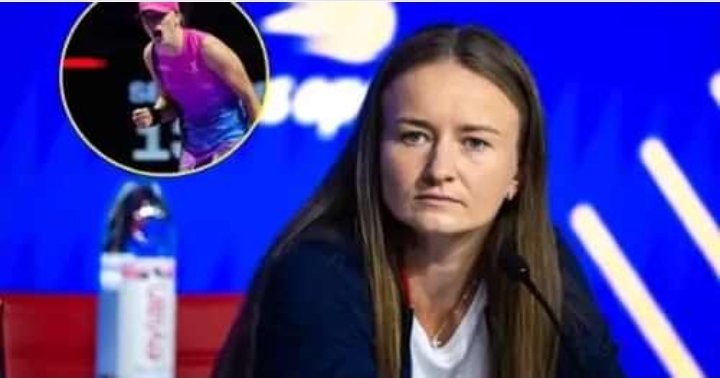
  • Bezwzględne słowa Krejcikovej po miażdżącej porażce ze Świątek: Jej opinia o Polce zaskoczy wszystkich

    Bezwzględne słowa Krejcikovej po miażdżącej porażce ze Świątek: Jej opinia o Polce zaskoczy wszystkich

    Bezwzględne słowa Krejcikovej po miażdżącej porażce ze Świątek: Jej opinia o Polce zaskoczy wszystkich


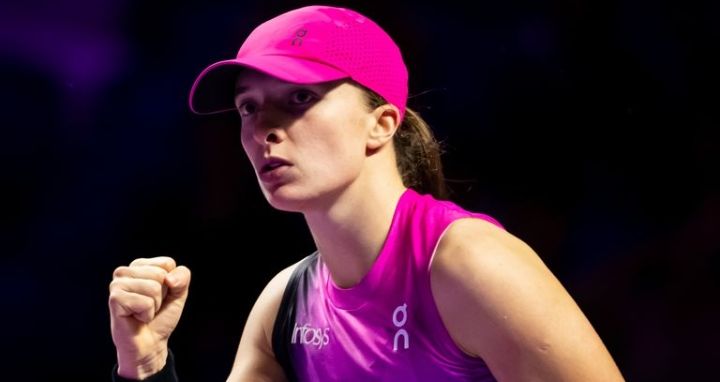
    W intensywnym i często bezlitosnym świecie profesjonalnego tenisa zawodniczki nieustannie stoją przed wyzwaniem osiągania zwycięstw, ale też mierzenia się z emocjonalnymi skutkami każdej porażki. Dla Barbory Krejcikovej niedawne starcie z Igą Świątek było czymś więcej niż tylko meczem; to była zażarta walka z jedną z najjaśniej świecących gwiazd tenisa, która pozostawiła Krejcikovą z mieszanką frustracji i podziwu. Przegrana nie była łatwa do przełknięcia, ale słowa Krejcikovej o Świątek po meczu odsłoniły głębszy, bardziej złożony obraz jej rywalki – zawodniczki, którą szanuje i z którą odczuwa silne wyzwanie.


    Sam mecz był pokazem atletyzmu, strategii i wytrzymałości. Świątek, znana ze swojej szybkiej gry nóg, mocnych zagrań z końcowej linii i psychicznej wytrwałości, pokazała wszystkie cechy, które uczyniły ją jedną z najbardziej nieustępliwych zawodniczek na WTA Tour. Krejcikova, była mistrzyni Wielkiego Szlema, jest często podziwiana za swoją taktyczną grę, precyzyjny dobór uderzeń i siłę mentalną. Jednak w tym starciu Świątek, dzięki swojej niestrudzonej grze i nieustępliwemu tempu, rozmontowała obronę Krejcikovej, zostawiając Czeszkę wyraźnie sfrustrowaną, gdy starała się przeciwstawić dominującej grze Polki.


    Dla Krejcikovej, przyzwyczajonej do zwycięstw i stawiania czoła czołowym zawodniczkom, ta porażka była szczególnie bolesna. W pomeczowym wywiadzie nie przebierała w słowach, pozwalając emocjom płynąć, gdy opisywała, co czyni Świątek tak trudną rywalką. Jej słowa niosły mieszankę szacunku i ukrytej irytacji, podkreślając złożoność jej odczuć wobec Świątek. „Gra przeciwko niej to jak mierzenie się ze ścianą,” wyznała Krejcikova, podkreślając zdolność Świątek do powracania niemal każdego uderzenia i utrzymywania nieustającego tempa. „Czujesz, że dajesz z siebie wszystko, a mimo to przy każdym ruchu ona już tam jest, przewidując, gotowa.”


    Jest jasne, że Krejcikova docenia umiejętności Świątek, jednak w jej komentarzach można było wyczuć pewną dozę ostrości. Dodała, że polska zawodniczka stała się „siłą redefiniującą kobiecy tenis”, przyznając, że styl gry Świątek doprowadza ją do granic możliwości. To uznanie nie obyło się bez nuty frustracji, gdy Krejcikova wydawała się niemal zaskoczona zdolnością Świątek do utrzymywania tak wysokiego poziomu gry, niezależnie od presji. „Jesteś na korcie, dając z siebie wszystko, a mimo to ona zawsze jest o krok do przodu,” przyznała Krejcikova, jej głos pełen goryczy zawodniczki, która dała z siebie wszystko, ale to nie wystarczyło.


    Jednak to nie tylko fizyczna gra Świątek sprawiła, że Krejcikova miała trudności. Zwróciła również uwagę na wytrzymałość psychiczną Polki – cechę, która stała się jednym z jej znaków rozpoznawczych. Według Krejcikovej Świątek ma „niezwykłą zdolność do zachowania spokoju pod presją”, co często daje jej przewagę nad rywalkami, które są wytrącone z równowagi intensywnością takich spotkań. Krejcikova, znana ze swojej własnej odporności, przyznała, że siła mentalna Świątek dodaje jej grze dodatkowy poziom trudności, co sprawia, że jest niemal niemożliwa do pokonania, nawet gdy wydaje się podatna na zagrożenie.


    Emocjonalna szczerość Krejcikovej odsłoniła nie tylko jej spojrzenie na Świątek jako rywalkę, ale też jej własne zmagania w dążeniu do odzyskania miejsca w gronie elitarnych zawodniczek WTA. Ta porażka, choć bolesna, była przypomnieniem o zażartej rywalizacji na najwyższym poziomie oraz o wyzwaniach, z którymi musi się zmierzyć w drodze do tenisowej wielkości. Dla Krejcikovej każdy mecz to nie tylko sprawdzian umiejętności, ale także próba jej woli i zdolności do nauki zarówno z triumfów, jak i porażek.


    Rozmyślając nad meczem, słowa Krejcikovej nie pozostawiły wątpliwości co do jej przyszłych zamiarów. „To jeszcze nie koniec,” powiedziała, jej głos pełen cichej determinacji. „Każda porażka czegoś uczy. Wiem, co muszę zrobić, aby ją pokonać, i nie przestanę, dopóki tego nie rozgryzę.” Jej determinacja była wyczuwalna, sugerując, że postrzega Świątek nie tylko jako rywalkę, ale też jako punkt odniesienia, według którego może mierzyć swój własny rozwój. Dla Krejcikovej Świątek reprezentuje obecny standard doskonałości, standard, który zamierza osiągnąć, a może nawet przewyższyć.


    Dla fanów obu zawodniczek słowa Krejcikovej podsyciły oczekiwanie na ich przyszłe pojedynki. Napięcie między nimi jest niepodważalne, a komentarze Krejcikovej dodają dodatkowego smaczku tej ekscytującej rywalizacji. Entuzjaści tenisa na całym świecie będą uważnie śledzić, jak Krejcikova przekuje tę porażkę w nadchodzących meczach i czy znajdzie sposób, by odwrócić los w starciach z Polką.


    Ostatecznie, uwagi Krejcikovej o Świątek mogą być odzwierciedleniem zmieniającej się dynamiki w kobiecym tenisie – sporcie, w którym nowi mistrzowie stale się pojawiają, zmuszając uznanych zawodników do reinwencji i dążenia do jeszcze lepszych wyników. Jej słowa są przypomnieniem o intensywnej rywalizacji i szacunku, który istnieje między najlepszymi sportowcami, a także o nieustępliwej sile, która napędza ich do przodu, niezależnie od tego, czy wygrywają, czy przegrywają.


    Kiedy Krejcikova opuszcza kort po tej porażce, jedno jest pewne: jest bardziej zdeterminowana niż kiedykolwiek, by udowodnić swoją wartość w starciu ze Świątek. Świat tenisa wstrzymuje oddech, oczekując, co wydarzy się, gdy ponownie spotkają się na korcie, jako dwie z najbardziej zaciętych rywalek, które kontynuują swojąwalkę o dominację.
     

  • PGA Tour and LIV Golf set to end sport’s civil war as Rory McIlroy ‘helps broker £1bn deal’

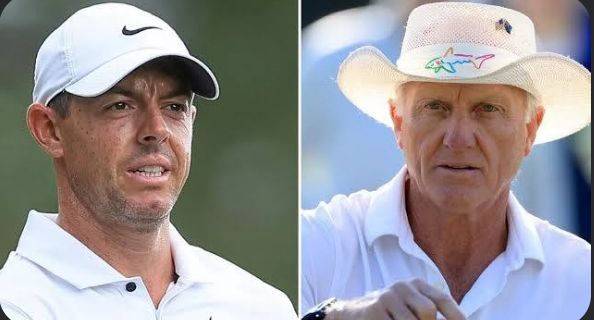
    PGA Tour and LIV Golf set to end sport’s civil war as Rory McIlroy ‘helps broker £1bn deal’

    PGA Tour and LIV Golf to End Years-Long Civil War as Rory McIlroy Takes Lead Role in Brokering $1.29 Billion Peace Deal


    After nearly two years of division, controversy, and intense rivalry, the long-running feud between the PGA Tour and LIV Golf is reportedly reaching a dramatic conclusion. This groundbreaking development could change the landscape of professional golf as we know it. According to recent reports, the PGA Tour and Saudi-backed LIV Golf have finally agreed on a monumental $1.29 billion peace deal—an agreement that could put an end to the bitter divide that has split the sport in two.


    The schism began in 2022 when LIV Golf emerged, backed by Saudi Arabia’s Public Investment Fund (PIF). The new league aimed to revolutionize the sport but ignited an explosive conflict with the PGA Tour, which responded by banning any player who dared to compete in a LIV event. A wave of suspensions followed as the Tour struggled to contain the exodus of players tempted by LIV’s staggering prize purses and groundbreaking format. This rivalry, often dubbed golf’s “civil war,” threatened to fracture the sport permanently. But hope for a resolution surfaced in June of last year when the PGA Tour and the PIF reached a surprise framework agreement, hinting that the two sides were ready to explore peace.


    Since then, negotiations have been ongoing—17 months of delicate talks and back-and-forth proposals. As the dialogue continued behind closed doors, golf fans around the world anxiously awaited news of an agreement. Now, it seems that both parties are finally ready to lay down their arms, with a staggering investment deal and joint vision for golf’s future at the center of their accord. Sources indicate that the Public Investment Fund will inject a substantial $1.29 billion into the PGA Tour, which will, in return, grant the PIF an 11 percent stake in the U.S.-based tour.


    This deal will go beyond financial investment. Reports reveal that PIF representatives will take two seats on the PGA Tour’s governing board, with one seat designated for a prominent leadership position—the chairmanship. This new role will enable the PIF to play a central part in guiding the PGA Tour’s future, blending LIV’s innovation with the PGA’s heritage. As this revolutionary deal reshapes the tour’s dynamics, PGA players who stood by the traditional tour—rejecting LIV’s initial advances—will see their loyalty rewarded as well. The PIF plans to invest in a fund dedicated to compensating these loyal players, a fund that is anticipated to recognize their dedication during the tumultuous years of the conflict.


    A key player in these peace negotiations has been none other than Rory McIlroy, the Northern Irish superstar who remained one of LIV’s fiercest critics. Known for his open opposition to LIV and unwavering support for the PGA Tour, McIlroy’s role in bridging the divide is now coming to light. Alongside golf legend Tiger Woods, McIlroy played a critical part in facilitating discussions that ultimately helped bring the two sides to an agreement. Although Woods has remained relatively silent on his involvement, McIlroy recently shared his perspective on the deal while at the Alfred Dunhill Links Championship in Scotland. There, PGA Tour commissioner Jay Monahan and LIV chairman Yasir Al-Rumayyan made a rare public appearance together in the Pro-Am event, symbolizing a new era of unity.


    McIlroy’s comments at the event reflected the long-awaited relief and optimism felt by players and fans alike. “Maybe it’s going too slow for the people that follow golf,” he admitted, acknowledging the painstaking pace of the negotiations. “In the business world, deals of this size take time. You are talking about billions of dollars changing hands, different jurisdictions.” McIlroy hinted at a major announcement by year-end, explaining, “We’re in October, so hopefully three months to get something done.” As he described the gravity of the moment, McIlroy added, “I think it’s a great thing and good sign that Jay and Yasir are going to play together,” referencing Monahan and Al-Rumayyan’s partnership during the event.


    This gesture of unity extended beyond the PGA Tour and LIV Golf leaders. The Alfred Dunhill Links Championship brought together a significant contingent of LIV golfers, a symbolic move that emphasized the possibility of a reconciled golf community. Johann Rupert, the driving force behind the Dunhill event, has long sought to bridge the gap between the two tours, believing that his tournament could serve as a platform to bring the golf world back together. “If we need to be forced together in some way, he’s trying to do that,” McIlroy said, praising Rupert’s vision. “I think it will be good. It’s certainly a step in the right direction.”


    The official agreement, while not yet ratified by the PGA Tour’s players, is expected to gain their support in the coming weeks. For players who have weathered the storm of this controversy, this news is an opportunity to put years of division and animosity behind them, as the PGA Tour and LIV Golf prepare to move forward with a shared vision for the sport. The PIF’s $1.29 billion investment, its 11 percent stake, and its significant influence within the PGA Tour’s hierarchy signal a historic shift in golf’s governance. Both tours have much to gain from this partnership—greater funding, an expanded global reach, and a unified competitive landscape.


    As Rory McIlroy and other key figures continue to emphasize, this isn’t merely a business deal; it’s the culmination of a movement to heal golf’s wounds and restore unity to a divided sport.


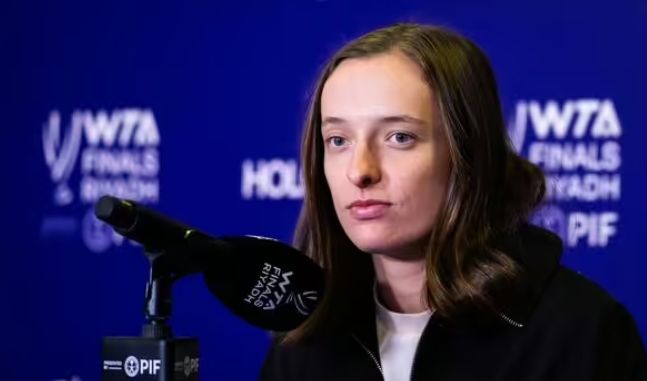
  • “Iga Świątek ujawnia kulisy rozmów z WTA po karze i obawach przed ‘nienawiścią'”

    “Iga Świątek ujawnia kulisy rozmów z WTA po karze i obawach przed ‘nienawiścią’”

    Iga Świątek przedstawia aktualizacje na temat rozmów z WTA po otrzymaniu kary i obawach przed „nienawiścią” ze strony innych


    Iga Świątek wcześniej ostrzegała kobiecy świat tenisa, że przy obecnych zasadach nie skończy się to dobrze dla zawodniczek.


    Świątek, zajmująca obecnie drugie miejsce na świecie, otwarcie mówiła o wymagającym kalendarzu, jaki mają zawodniczki, gdzie obowiązkowych jest aż 20 turniejów dla tych, które są wystarczająco wysoko w rankingu.


    Polka została nawet ukarana w rankingu za to, że nie zagrała w wymaganej liczbie turniejów, przez co straciła pozycję liderki. Jednak teraz Świątek czuje się bardziej pozytywnie nastawiona do „postępów” w komunikacji ze strony kobiecej federacji tenisa.


    W tym roku WTA wprowadziła wymóg, aby wszystkie kwalifikujące się zawodniczki wystąpiły w czterech turniejach Wielkiego Szlema, we wszystkich dziesięciu turniejach WTA 1000 oraz w sześciu turniejach WTA 500. Te, które nie spełniły tych wymagań, otrzymywały „zera” do rankingu.


    Świątek była jedną z zawodniczek, które zostały ukarane. Straciła na tym wystarczająco dużo punktów, co pozwoliło Arynie Sabalence wyprzedzić ją w rankingu i zostać nową numerem 1.


    Pięciokrotna mistrzyni Wielkiego Szlema już wcześniej wyrażała swoje obawy związane z napiętym kalendarzem, więc nie jest zaskoczeniem, że nie zagrała we wszystkich 20 wymaganych turniejach.


    „Oczywiście nie jest to nasza decyzja, ale zdecydowanie uważam, że mamy za dużo turniejów w sezonie,” powiedziała Sky Sports podczas turnieju w Cincinnati. „To nie skończy się dobrze i sprawia, że tenis jest dla nas mniej przyjemny, powiedzmy to wprost.”


    Obawiając się, że jej komentarze mogą wywołać negatywne reakcje, dodała: „Nie sądzę, że tak powinno być, bo zasługujemy na trochę więcej odpoczynku. Oczywiście może ludzie będą mnie za to nienawidzić.”


    Jednak 23-latka nie musiała się martwić, ponieważ zdradziła, że WTA była bardziej otwarta na rozważenie obaw zawodniczek. Świątek wróciła na kort na finały WTA po opuszczeniu całej azjatyckiej części sezonu, kiedy zmieniła trenera.


    Po dwumiesięcznej przerwie zapytano ją, czy czuje, że władze słuchają zawodniczek. „Cóż, wydaje mi się, że gdy pierwszy raz przyszłam do WTA, było to dość trudne,” odpowiedziała.


    „Teraz myślę, że słuchają nas znacznie bardziej. Widziałam pewien postęp w komunikacji.”


    „Tak, niektóre decyzje zostały już podjęte w kwestii kalendarza i obowiązkowych turniejów. Jest to coś, czego raczej nie da się cofnąć, ponieważ to biznes, to nasze kontrakty, to pieniądze. Na pewno nie będzie to łatwe. To zależy.”


    Numer dwa na świecie podtrzymała swoją decyzję o opuszczeniu niektórych większych turniejów, nawet jeśli wpłynęło to na jej ranking. Ma nadzieję, że zawodniczki będą mogły wyrazić swoje opinie po pierwszym sezonie z 20 obowiązkowymi turniejami.


    „Wydaje mi się, że wszystko sprowadza się do odpowiedniego planowania, podejmowania własnych decyzji, bez względu na to, co dzieje się z rankingiem, czasem także z obowiązkowymi turniejami. Na pewno dla nas, jako zawodniczek, priorytetem powinno być nasze zdrowie,” kontynuowała.


    „Zobaczymy. Na razie był to pierwszy rok z wszystkimi tymi obowiązkowymi turniejami. Może na końcu sezonu będzie dobry czas, by dać trochę informacji zwrotnych i porozmawiać o tym wewnętrznie z WTA.”


    „Na razie oczywiście musimy być gotowe, by sezon był tak długi, jak jest. Jestem pewna, że dla fanów to ekscytujące. Przygotuję się również, aby byćgotową na wszystkie turnieje.”


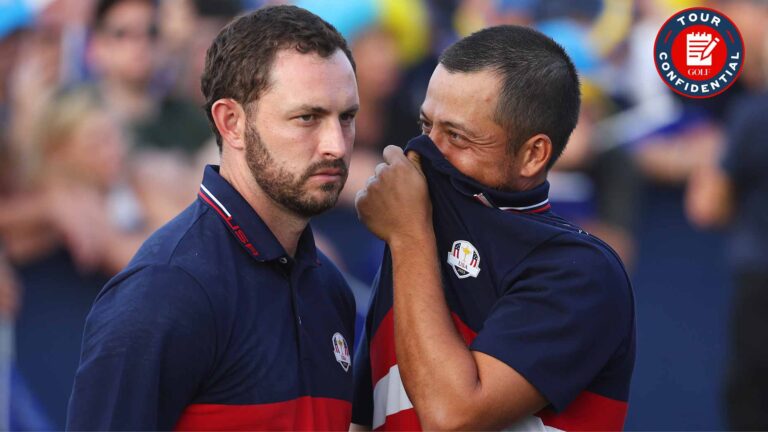
  • Tour Confidential: Ryder Cup player pay, biggest PGA Tour change, Tour-PIF news

    Tour Confidential: Ryder Cup player pay, biggest PGA Tour change, Tour-PIF news

    PGA Tour’s Bold Overhaul: Why Big Changes Are on the Horizon, and What They Mean for Golf’s Future


    The PGA Tour is facing some groundbreaking transformations, with proposed changes targeting membership numbers, field sizes, pace of play, and even the cherished Monday qualifiers. These revisions are still awaiting the green light from the PGA Tour Policy Board, but their potential impact on the Tour has already ignited discussions among players, officials, and fans alike. Here, three industry experts share their perspectives on the most consequential changes and their potential to reshape the sport.


    Josh Berhow, Managing Editor: “The biggest news has to be that the number of full-status players will drop from 125 to 100,” Berhow says. “This shift will undoubtedly add exclusivity to the PGA Tour card, making it even more coveted. In essence, the PGA Tour is creating a more elite group of players while still offering opportunities for those just outside the cutoff to participate in certain events. I don’t mind the cutthroat nature—it brings an edge that aligns with what we love about professional sports.”


    Josh Sens, Senior Writer: “The decrease in full-time players is obviously a headline change,” Sens adds. “But for me, it’s the reduction of Monday qualifiers that stands out. While the Cinderella stories of last-minute entrants making a mark are beloved, they’re few and far between. Statistics show that Monday qualifiers rarely make it past the cut, so, in the end, reality trumps the romance. From a logical standpoint, this change makes sense.”


    Alan Bastable, Executive Editor: Bastable highlights another core issue—completing rounds before dusk. “It’s shocking how frequently rounds are spilling over into the next day—almost three out of ten rounds this season. It’s a burden on players and fans alike. Cutting down on field sizes is a sensible way to fix that issue. Yet, while these tweaks may have practical benefits, they don’t make the Tour’s ‘product’ more compelling for viewers. For the PGA Tour to thrive, it needs to focus on enhancing the TV experience, such as investing more in reducing commercial breaks.”


    While these proposed adjustments have stirred up plenty of discussion, they are only a piece of a larger puzzle as the Tour seeks to refine its appeal, increase its competitiveness, and maintain player satisfaction in an ever-evolving landscape.


    Ryder Cup Controversy: As Ticket Prices Skyrocket, Should Players Be Paid?


    Recent news regarding the Presidents Cup stipend has stirred up fresh debate on whether Ryder Cup players should also receive compensation. For years, Ryder Cup participants have played without pay, though they were allowed to direct their earnings toward charity. The Presidents Cup’s new approach of allowing players discretion over their $250,000 stipend has raised questions about whether it’s time for the Ryder Cup to follow suit. This issue comes amid backlash over the surging Ryder Cup ticket prices, particularly with next year’s tournament set at New York’s Bethpage Black—a location famous for its accessibility.


    Berhow: “Historically, I’ve leaned against paying Ryder Cup players, believing that asking wealthy athletes to represent their countries every two years was reasonable. But the dramatic rise in ticket prices at a venue known for its affordability has changed my mind. If fans are paying more, maybe it’s time the players are compensated as well.”


    Sens: “Ideally, I’d prefer that the PGA of America limit earnings from the event to cover operational costs and donate any remaining proceeds to charity. The rosters should include only those willing to compete for pride and country. But we all know that’s not how capitalism operates.”


    Bastable: “The Ryder Cup’s early days are long gone, when players traveled across the Atlantic by ship to represent their countries for the love of the game. Today, the event is a financial juggernaut, second only to the Masters in terms of visibility. If the players genuinely value the principle of being compensated, perhaps it’s time to reward them. We could even tie the payment to performance—say, $50,000 per point won. Make them earn it.”


    The Ryder Cup is a monumental event, attracting passionate fans and substantial revenue. Whether paying players is the right move remains a contentious issue, yet the landscape of competitive golf continues to shift, possibly signaling that a change is on the horizon.

    Behind Closed Doors: The PGA Tour Commissioner and PIF Head’s Secretive Meetings Fuel Speculation

    In the midst of golf’s continued divide, rumors have surfaced of a recent meeting between PGA Tour Commissioner Jay Monahan and Public Investment Fund (PIF) Governor Yasir Al-Rumayyan. While the exact details remain confidential, speculation is rife as to whether these discussions could lead to a historic merger or compromise.


    Berhow: “Honestly, I’m tired of the drama. These are powerful individuals with private jets; they can meet whenever they like. Until there’s a concrete announcement, it’s hard to stay engaged.”


    Sens: “I joked that they’re just swapping casserole recipes at this point, but it’s no secret that fans are growing frustrated with the lack of progress.”


    Bastable: “Only an official announcement will break through the fatigue. Fans are losing patience, and the continued ambiguity isn’t helping the PGA Tour’s image.”


    As these high-level discussions unfold, the future of professional golf remains uncertain. Will the PGA Tour and LIV Golf’s Saudi-backed fund find common ground? For now, it’s anyone’s guess.

    The PGA Tour’s pending policy changes and the Ryder Cup’s evolving dynamics are indicative of a sport in transition. From shrinking membership ranks to rethinking Monday qualifiers, the PGA Tour appears set on optimizing its product for both players and viewers. And with questions surrounding compensation in marquee events like the Ryder Cup, the industry is inching toward a new model that acknowledges both the players’ demands and the fans’ evolving expectations.


    As golf confronts these transformative times, its future may well depend on finding a balance between tradition and modernity, competition and collaboration. Whatever lies ahead, one thing is clear—the PGA Tour and its players are entering a new era.


  • “Wyczerpująca Czterogodzinna Bitwa Igi Świątek: Jak Walczyła o Przetrwanie w Przerażającej Potyczce w Rijadzie”

    “Wyczerpująca Czterogodzinna Bitwa Igi Świątek: Jak Walczyła o Przetrwanie w Przerażającej Potyczce w Rijadzie”

    Niezwykły Powrót Świątek w Rijadzie: Od Skraju Porażki do Spektakularnego Triumfu


    Długo wyczekiwany powrót Igi Świątek na kort w Rijadzie okazał się pełen emocji, gdy polska gwiazda pokonała Barbarę Krejčíkovą, mimo że była o krok od przegranej. Po dwumiesięcznej przerwie spowodowanej ćwierćfinałową porażką na US Open, obecna światowa „dwójka” pokazała niezwykłą odporność, pokonując deficyt seta i podwójnego przełamania w swoim debiucie na finałach WTA. Fenomenalny powrót Świątek nie tylko zachwycił fanów, ale także zapowiada zaciętą walkę o powrót na szczyt światowego rankingu, który obecnie zajmuje Aryna Sabalenka.


    Świątek od samego początku zmagała się z problemami, co było widoczne po dwumiesięcznej przerwie i pierwszych trudnych zagraniach na korcie. Krejčíková, będąca mistrzynią Wimbledonu, szybko wykorzystała niepewność Polki, zdobywając prowadzenie 6:4 w pierwszym secie i zbliżając się do zwycięstwa, gdy objęła prowadzenie 3:0 w drugim. Świątek jednak udowodniła, że walczy do końca, gdy odwróciła losy meczu, wygrywając 13 z kolejnych 17 gemów, triumfując ostatecznie 4:6, 7:5, 6:2. To zwycięstwo nie tylko rozpoczęło jej obronę tytułu, ale też wznowiło nadzieje na odzyskanie najwyższej pozycji w rankingu, jeśli Świątek odniesie zwycięstwo w Rijadzie.


    Walka do Ostatniego Punktu: Jak Świątek Odnalazła Swoją Grę


    Problemy Świątek były widoczne od samego początku. Nie grała od wrześniowego meczu z Jessicą Pegulą w Nowym Jorku, a na korcie zabrakło jej typowej precyzji. Pomimo wypracowanych szans na przełamanie w pierwszym secie, nie zdołała ich wykorzystać. Krejčíková, widząc trudności rywalki, przejęła inicjatywę, zdobywając pierwszy set 6:4 i szybko wychodząc na prowadzenie w drugim.


    Jednak Świątek, znana z nieustępliwości, nie zamierzała się poddawać. W miarę postępu drugiego seta, jej niezłomność i doświadczenie przeważyły. Mimo że początkowo przegrywała 3:0, zdobyła drugiego seta 7:5, pokazując charakter i determinację, którymi zdobyła już niejedno trofeum. W trzecim secie Świątek powróciła do swojej najwyższej formy, błyskawicznie wychodząc na prowadzenie 5:0. Krejčíková starała się jeszcze walczyć, przełamując Świątek, by utrzymać mecz przy życiu, ale to nie wystarczyło. Świątek zakończyła spotkanie po ponad dwóch i pół godzinach, co było dowodem na jej fizyczną i psychiczną wytrzymałość.


    Po meczu Świątek przyznała, że na początku czuła się „zardzewiała”. „Na pewno nie było łatwo,” powiedziała. „Na początku czułam się nieco niepewnie, ale cieszę się, że udało mi się odnaleźć stabilność, bo na początku nie czułam się dobrze.” Jej szczere wyznanie pokazało wyzwania związane z powrotem po długiej przerwie, a jednocześnie podkreśliło jej determinację, by przystosować się, wyciszyć emocje i finalnie odnieść sukces.


    Mecz ten był również debiutem Świątek pod okiem nowego trenera, Wima Fissette, po rozstaniu z Tomaszem Wiktorowskim. Choć ich współpraca jest jeszcze na wczesnym etapie, Świątek już pokazała świeże podejście i taktyczną dojrzałość, co pozwoliło jej poradzić sobie z trudnymi momentami spotkania. Mając zaledwie 23 lata, Polka zademonstrowała dojrzałość, jaką charakteryzuje się mistrz, przypominając wszystkim o swojej potężnej pozycji w kobiecym tenisie.


    Gauff Pokonuje Pegulę w Amerykańskim Starciu


    Tymczasem w Rijadzie, Coco Gauff triumfowała w amerykańskim pojedynku z Jessicą Pegulą. Wygrywając 6:3, 6:2, Gauff odniosła swoje drugie zwycięstwo nad Pegulą w sześciu spotkaniach, a jednocześnie pierwsze na twardych kortach, po wcześniejszym sukcesie na trawie w Eastbourne w 2023 roku.


    Pegula, która w tym roku dotarła do finału US Open, pokazała przebłyski swojej klasy, ale ostatecznie nie mogła sprostać presji, jaką narzuciła jej Gauff. Frustracja Peguli osiągnęła punkt kulminacyjny, gdy w czwartym gemie drugiego seta rzuciła rakietą o ziemię. Chociaż chwilowo udało jej się przełamać serwis Gauff, jej gra szybko ponownie się załamała. Prowadząc 40-15 w kolejnym gemie, Pegula popełniła kilka błędów, co ostatecznie pozwoliło Gauff na przełamanie i przejęcie kontroli nad meczem.


    Gauff z zimną krwią wykorzystała niekonsekwencję rywalki, wygrywając trzy kolejne gemy i kończąc spotkanie efektownym forehandem w biegu. Po meczu Gauff przyznała, że jej gra była momentami nierówna: „Jestem zadowolona z tego, jak zagrałam. Czasem było niedbale, czasem świetnie, ale takie jest tenisa,” powiedziała. „Obie grałyśmy na wysokim poziomie, myślę, że udało mi się przełamać w tych najważniejszych momentach.”


    Przyszłe Wyzwania: Sabalenka Gotowa Stanąć na Przeszkodzie Ambicjom Świątek


    Po udanym początku Świątek i Gauff w Orange Group, finały WTA w Rijadzie zapowiadają się na pełne emocji. Zwycięstwo Świątek nad Krejčíkovą nie tylko zabezpieczyło jej pierwszy triumf, ale też podtrzymało nadzieje na odzyskanie światowego numeru jeden. Jednak obecna liderka, Aryna Sabalenka, finalistka tegorocznego US Open, wraca do gry w poniedziałek. Ta białoruska mistrzyni, znana z agresywnego stylu gry i nieustępliwości, z pewnością będzie trudną przeszkodą dla każdej zawodniczki.


    W miarę rozwoju turnieju, fani mogą spodziewać się jeszcze większych emocji, widowiskowych powrotów i pokazów czystej atletyki od najlepszych tenisistek świata. Powrót Świątek, wzloty Gauff i determinacja Sabalenki, by utrzymać się na szczycie, sprawiają, że Rijad staje się epicentrum kobiecego tenisa w nadchodzących tygodniach. Dla Świątek jej pierwszy triumf po powrocie był nie tylko świadectwem jej ducha walki, ale również wyraźnym sygnałem dla reszty stawki: mogła być blisko porażki, ale wciąż jest daleko od zakończenia swojej dominacji.


  • Tiger Woods Embarks on New Chapter in Life, Finding Love and Companionship with Retired U.S. professional golfer

    Tiger Woods Embarks on a Bold New Chapter: Inside His Inspiring Journey of Love, Redemption, and a New Life with a Retired Tennis Star


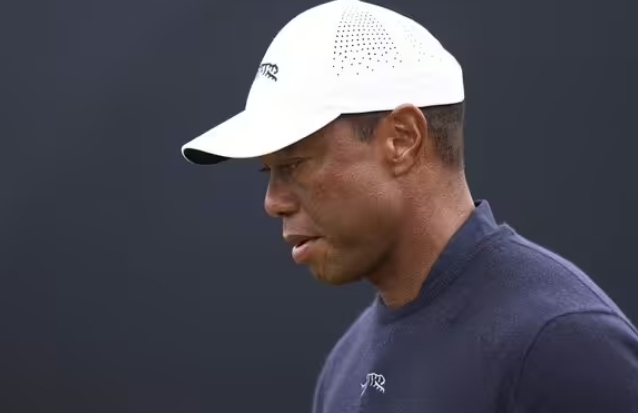
    For decades, Tiger Woods has captured the world’s imagination with his unforgettable achievements on the golf course. However, his journey has been as much about resilience off the green as it has been about his athletic prowess. Now, in a touching new development, the legendary golfer is embracing a fresh beginning—a chapter marked by love, companionship, and shared understanding with a retired U.S. tennis star, whose identity remains largely under wraps. This story of two sports icons finding each other has inspired fans and serves as a testament to Woods’ remarkable ability to rebuild, reinvent, and open his heart to new possibilities.


    Woods’ rise to stardom has been a saga of unparalleled success, overcoming adversity, and achieving greatness against all odds. From his days as a young prodigy to becoming one of the most decorated golfers in history, Tiger’s career has been a symbol of ambition, commitment, and the relentless pursuit of excellence. Yet, the spotlight that illuminated his achievements also cast shadows on his personal struggles, particularly in matters of the heart. His marriage to Elin Nordegren ended in a widely publicized divorce, and his relationships since then have often been under intense media scrutiny. Each chapter, whether triumphant or turbulent, has forged Woods into the person he is today—a man who has learned to rise from his setbacks with even greater resolve.


    Now, after years of enduring both physical and emotional pain, Woods seems to be embracing a renewed sense of purpose and happiness. This time, that happiness is shared with someone who understands the challenges of a career under the global spotlight. His new partner, a retired tennis champion, brings a unique perspective shaped by her own years in competitive sports and public life. While the details of her identity remain guarded, her presence in Woods’ life represents more than just a romantic connection; it is a partnership built on shared experiences, resilience, and the strength found in overcoming life’s many challenges.


    Their relationship comes at a pivotal time for Woods. Following a life-threatening car accident that nearly cost him his career, he’s been on a long road to physical and emotional recovery. This latest chapter is about far more than a return to golf—it is about rebuilding every aspect of his life, from his physical health to his personal happiness. The retired tennis star has emerged as a source of support and understanding for Woods, someone who not only comprehends the pressures of elite competition but also appreciates the depths of personal sacrifice required to stay at the top.


    The bond between Woods and his new companion appears to be rooted in mutual respect, a deep understanding of the sacrifices inherent to their respective careers, and a shared drive for personal growth. Their connection speaks to a resilience and determination that has defined both of their lives—a drive that propels them forward even in the face of public scrutiny and personal hurdles. For Woods, this relationship represents hope, a chance to build something beautiful out of the adversities that once seemed insurmountable.


    Together, they form a powerful duo, a relationship anchored in the hard-earned wisdom that only life’s toughest experiences can bring. Their shared history in sports has given them a unique understanding of one another’s worlds. Both have faced the weight of expectations and the pain of public setbacks. Now, they’re discovering that these shared experiences can foster a connection that few others could truly comprehend.


    As Woods continues to focus on his health and personal aspirations, he finds himself in the embrace of someone who, like him, understands the delicate balance of navigating fame and personal growth. This love story isn’t merely about companionship; it’s about finding hope, strength, and new beginnings. It’s a story of two lives, each marked by triumph and hardship, now coming together to forge a future filled with optimism and healing.


    The retired tennis star, with her own illustrious career and accolades, brings a legacy of excellence to this union, making them a formidable pair whose combined history in sports creates an indelible connection. The two athletes share more than fame—they share a profound respect for one another’s journeys, the battles they’ve both fought, and the resilience that defines them. In each other, they find not just a partner but a mirror reflecting the courage required to face life’s challenges.


    The union of these two celebrated figures reminds the world that even those in the limelight seek the simple joys of life—connection, respect, and understanding. For Woods, the prospect of this new relationship is about rediscovering happiness and a renewed sense of purpose. It is about finding stability, companionship, and perhaps, a love that transcends the ups and downs of fame. In the past, Woods’ relationships were often subject to intense public scrutiny. Now, he seems to be approaching love from a place of maturity, focusing on building something meaningful away from the relentless gaze of the media.


    As Woods and his partner navigate this new journey together, they serve as a beacon of resilience, showing the world that even the most high-profile lives are not immune to pain, nor are they devoid of hope for a better future. Their relationship highlights the strength that lies in companionship and the power of love to uplift, even when life feels like a series of obstacles.


    Tiger Woods’ path to personal and professional fulfillment is far from over. This latest chapter, marked by newfound love and companionship, stands as a powerful testament to the idea that no setback is final, and that happiness is always within reach—even for those who have faced the most public of adversities. For fans around the world, his journey is a reminder that redemption and joy can come at any stage of life, and that each new chapter is an opportunity for growth, love, and a life reimagined.


    In the end, Tiger Woods’ story is not just about a career defined by trophies and accolades; it is a story of the human spirit’s boundless capacity to heal, to forgive, and to find joy once more. His relationship with the retired tennis star shines a light on the beauty of second chances and the endless possibilities that life holds for those willing to embrace them. For Woods, this is more than a love story; it’s a new beginning, a chapter filled with hope, resilience, and a future brighter than ever before.


  • “Breaking: Lydia Ko Accuses LPGA of Rigging After Nelly Korda Clinches Player of the Year Award”

    “Unraveling the Shocking Accusation: Lydia Ko’s Bold Claim of LPGA Rigging Amid Nelly Korda’s Triumph as Player of the Year”


    In a surprising turn of events, one of golf’s most renowned figures, Lydia Ko, has found herself embroiled in controversy, publicly questioning the integrity of the LPGA. As the LPGA season came to a close, Ko made a bombshell accusation that has sent shockwaves throughout the golfing world. Her allegation? That the LPGA might have rigged its most prestigious title – the coveted Player of the Year award, which was clinched by none other than American golf star Nelly Korda. This allegation comes not just as a dramatic statement but as a challenge to the very foundations of fairness and transparency in professional golf.


    For years, Lydia Ko has been celebrated for her achievements on the golf course, her sportsmanship, and her humble demeanor. As a former world No. 1 and a consistent top performer, Ko has earned respect from players, fans, and analysts alike. But the Player of the Year award this season seems to have struck a nerve with Ko, leading her to raise questions that few others would dare to ask. Her suggestion of potential “rigging” has left many wondering: What could drive someone of Ko’s stature to make such a claim, and is there any basis to her accusation?


    A Look at the Context: The Road to Player of the Year


    This year has been one of the most competitive in LPGA history, with both Lydia Ko and Nelly Korda playing at the peak of their abilities. Each tournament saw them in close contention, trading places on the leaderboard and dominating headlines with their exceptional performances. Ko, known for her precision, and Korda, famous for her powerful drives, each brought unique strengths to the tour. As they pushed each other to new heights, fans were treated to a thrilling display of skill, grit, and sportsmanship.


    When the season ended, the final tally for the Player of the Year award tipped in favor of Nelly Korda, much to the surprise of many. While both golfers had outstanding seasons, Ko’s consistency seemed to make her a favorite. For her, the LPGA’s decision felt like an injustice, sparking a deep sense of frustration that culminated in her recent comments. According to Ko, the decision to award Korda the title appeared to defy conventional logic and even statistical backing.


    Ko’s Accusation: A Bold Move or a Desperate Cry?


    Ko’s claim is no light matter. In the history of golf, few players have openly suggested foul play within the sport’s governing bodies. For Ko to come forward with such an allegation is unprecedented, raising speculation about her motivations and the events that might have led her to make this statement. Many of Ko’s supporters argue that her frustration is understandable, pointing out several key stats and achievements from her season that, in their view, justified her as the rightful winner. They believe that Ko’s consistent placing and dedication should have earned her top honors over the flashier, but arguably less steady, season that Korda put forward.


    However, critics have been quick to dismiss Ko’s statement as an emotional response rather than a reasoned analysis. Some suggest that Ko may have been stung by disappointment, given her deep investment in the award and her desire to be recognized for her work this season. According to a few industry insiders, Ko’s statement might have stemmed from a moment of weakness – a raw, unfiltered reaction to a situation she found personally painful.


    The LPGA’s Reaction and a Growing Controversy


    In the wake of Ko’s allegations, the LPGA has come under intense scrutiny. While the organization has not made any public statements addressing Ko’s claims directly, insiders suggest that the LPGA is in a state of crisis management. Many are calling on the LPGA to clarify the criteria and methods used to determine the Player of the Year award, seeking to dispel any doubts about the award’s legitimacy.


    Amid this mounting pressure, several players have come forward, expressing their views on Ko’s statement. Some have voiced support, acknowledging that Ko’s points deserve a fair examination, while others are distancing themselves, worried about the implications of backing an accusation of this nature. Meanwhile, fans and pundits alike are embroiled in debates, with some rallying behind Ko and others defending the LPGA’s credibility.


    The Data Behind the Award: Was Ko Overlooked?


    In dissecting the season’s performance data, several indicators could be seen as supporting Ko’s claim. Statistically, Ko’s performance across various tournaments was notably consistent, and her points in specific categories suggest she had a real shot at clinching the award. Korda, on the other hand, excelled in marquee events, capturing significant wins but not maintaining the same level of stability in every outing. If one were to look purely at the numbers, Ko’s case seems compelling, raising questions about how much weight was given to each metric in the LPGA’s final decision.


    Supporters of Ko argue that her overall consistency reflects the qualities a Player of the Year should embody: tenacity, reliability, and skill. However, those defending Korda’s win highlight her standout moments in the season, where she delivered unforgettable performances that captivated audiences and demonstrated her high-caliber talent under pressure.


    What This Means for the Future of the LPGA


    Ko’s accusation could have lasting implications for the LPGA. For one, it could prompt the organization to reassess and possibly revamp the criteria and transparency surrounding the Player of the Year award. This situation underscores the need for a clear, understandable system that reflects the best achievements in golf, free from potential ambiguity.


    The controversy has already stirred calls from fans and analysts for the LPGA to increase transparency across the board, from award decisions to tournament rules. While it remains to be seen how the LPGA will respond, one thing is clear: Ko’s bold move has sparked a debate that may lead to significant changes in professional women’s golf.


    What Lies Ahead for Ko and Korda?


    As for Lydia Ko, her future on the LPGA tour is now even more closely watched. Known for her mental resilience, Ko may channel this setback into motivation, striving to prove that she deserved the Player of the Year title. Meanwhile, Nelly Korda, now bearing the weight of the award and the controversy surrounding it, will face additional scrutiny. Her ability to perform under the microscope, particularly given the accusations from one of her closest competitors, will be a storyline to watch.


    In the days ahead, the LPGA may be forced to address Ko’s allegations more directly, as fans demand accountability and a clearer explanation of what transpired. Whether this chapter in Ko’s career will redefine her legacy remains uncertain, but one thing is undeniable: Lydia Ko has taken a stance that will be remembered for years to come, leaving the golf world to grapple with the broader implications of her words.


  • PGA Tour caddie wanted Bryson DeChambeau win reviewed by USGA after putter controversy

    PGA Tour caddie wanted Bryson DeChambeau win reviewed by USGA after putter controversy

    “Did Bryson DeChambeau’s Putter Give Him an Unfair Advantage? Veteran Caddie Sparks Controversy After U.S. Open Triumph”


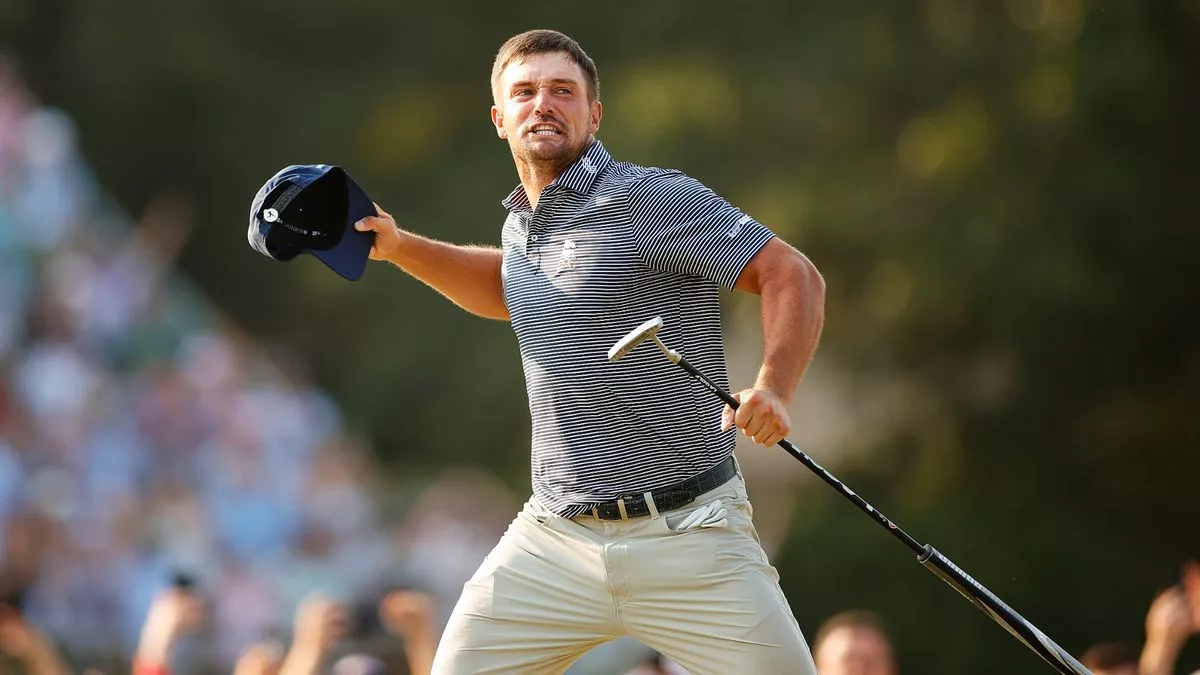
    In an event that will be etched in golf history, Bryson DeChambeau clinched his second U.S. Open title at Pinehurst No. 2 this June, a victory that quickly became one of the year’s biggest sports moments. Yet, as DeChambeau celebrated, his win stirred up questions across the golf world regarding the legitimacy of his self-designed equipment. A well-known PGA Tour caddie took to social media, calling for an official review of DeChambeau’s putter by the United States Golf Association (USGA) to ensure it met every regulation.


    DeChambeau, a standout in both the LIV Golf league and the sport overall, found himself embroiled in controversy, despite holding a solid three-stroke lead heading into the final round. Rory McIlroy, who was trailing, made a remarkable comeback and was within striking distance of his first major title in ten years. But in a shocking twist, McIlroy faltered over the last five holes, squandering a two-shot lead and ultimately allowing DeChambeau to claim the trophy. The victory showcased DeChambeau’s skill and mental toughness, but the equipment he used—particularly his unconventional putter—quickly became a talking point.


    Known for his unique approach to the game, DeChambeau has invested a great deal in customizing his equipment, especially his putter, which is specifically designed with a grip that locks against his forearm for added control. The design has allowed DeChambeau to enhance his precision, but it’s also raised eyebrows.


    During the tournament, Kip Henley, a respected PGA Tour caddie, was one of millions watching the action unfold. Henley suggested on social media that the USGA should inspect DeChambeau’s putter to verify its compliance with the rules. “If I’m a player around the lead in the U.S. Open, I would ask the USGA to check the specs on this putter,” Henley posted on X. “The shaft has to lean away from the head at least 10 degrees. It sure looks vertical. Not being a —- or hate him at all, but it is a rule.” Henley’s comments ignited an immediate wave of reactions, with some calling for an inquiry while others saw his comments as a lighthearted jab.


    Henley, who last worked for the late Grayson Murray before their professional relationship ended, clarified that his comments were meant as a joke. Responding to PGA Tour member Andrew Putnam, who humorously suggested checking DeChambeau’s driver and even testing his caddie Greg Bodine, Henley replied, “Lol. I don’t hate the boy at all, and I completely love his looper Bodine! He’s a way better carrier than me. I was just giving us something to talk about. I’m fine with DeChambeau winning!!”


    The following day, Henley sought to diffuse the situation further, addressing those who had taken his remarks seriously. “Jesus, Mary and Joseph, you people have lost your minds! Don’t you think I would understand that Bryson’s equipment has been inspected 1,000 times, and his putter would certainly be conforming?” Henley posted. He explained that his comments were intended to be “tongue-in-cheek,” a lighthearted tweet to spark some discussion. “[Putnam] got it quickly and threw his funny jab. Would any true golfer think Bryson’s putter hasn’t been inspected 100 times? They measure the thickness and rebounding qualities of drivers, for God’s sake.”


    Despite Henley’s clarification, the controversy shed light on the delicate balance between innovation and regulation in golf. DeChambeau’s unique approach to equipment has often blurred the lines, challenging traditional norms within the sport. Known for his meticulous, almost scientific approach to the game, DeChambeau has cultivated a reputation for pushing the limits, whether through his unusual swing mechanics, his powerful drives, or his distinctive choice of clubs.


    While Henley’s remarks may have been intended in jest, they echoed a sentiment shared by some within the golf community—an ongoing curiosity about DeChambeau’s equipment and whether it could provide a competitive edge. This incident is only the latest in a series of debates about golf technology and its impact on the game’s integrity.


    For DeChambeau, the scrutiny is nothing new. His success has often come with a side of controversy, and his equipment choices have regularly attracted attention. With this latest victory, DeChambeau stands as a figure of both admiration and debate, celebrated for his achievements yet always under the microscope.


    Whether his putter truly provides any advantage or simply reflects his unique style, one thing is clear: DeChambeau’s influence on the sport is undeniable, and his victory will continue to spark conversation long after the final dround at Pinehurst.


  • Tiger Woods lost his cool over Augusta National painting and took artist to court

    Tiger Woods lost his cool over Augusta National painting and took artist to court

    Tiger Woods’ Clash with an Artist Over Iconic Image Rights Ends in a Stunning Legal Twist: A David vs. Goliath Battle for the Ages


    In the world of professional golf, few names resonate as powerfully as Tiger Woods. Known for his laser-focused intensity on the course and his unwavering dominance, Woods struck both awe and trepidation in his competitors. In his prime, Tiger was more than just a golfer; he was a sporting icon whose name and image were as fiercely protected as any brand on the planet. But there was one bold artist who dared to defy him: Rick Rush, a painter renowned for capturing historic sporting moments on canvas.


    In the late 1990s, Woods was the undisputed king of golf. He had recently won the 1997 US Masters at Augusta National, his first major victory, marking the beginning of an era where he would go on to capture 14 more major titles and become a household name across the globe. That Augusta victory wasn’t just another title; it was a moment that defined a generation of golf and symbolized Woods’ arrival on the world stage. And it was this very moment that would unwittingly place an artist in the crosshairs of one of the most aggressive marketing machines in the sports industry.


    Rick Rush, then already a well-respected artist, immortalized Woods’ victory at Augusta with a painting depicting the historic scene. Rush’s work, famed for its vivid detail and almost photographic realism, struck a chord with golf fans, many of whom sought to own a piece of that historic moment. Sensing the demand, Rush’s brother, Don, who owned Jireh Publishing, seized the opportunity and produced limited-edition prints of the painting, which were priced around £550 each.


    But the celebration of Woods’ triumph on canvas would be short-lived. In 1998, just a year after Woods had first donned the Masters’ green jacket, lawyers representing ETW, a company Tiger had founded to manage and protect his image rights, launched a vigorous legal response. ETW’s argument was simple but unyielding: Woods’ likeness was part of his brand, and its use for commercial gain without authorization constituted a violation of his intellectual property rights. For ETW and Woods, the prints had crossed a line, and they were prepared to fight back with the full weight of the law.


    Thus began a bitter legal battle that would stretch on for five years, pitting Woods’ high-powered legal team against a small, family-run art business. While the case initially appeared to be a straightforward instance of trademark infringement, it quickly became far more complex, touching upon issues of freedom of expression, the nature of public figures as trademarks, and the limits of celebrity control over their image.


    According to reports from that time, Woods was relentless, convinced that artists and companies alike needed to be tightly regulated in their use of his likeness. The conflict became increasingly intense, and at one point, it seemed as though Rush and his family would be crushed under the weight of the legal proceedings. In 2002, despite an initial ruling in favor of Jireh Publishing by the Federal District Court in Ohio, Woods and his legal team escalated the matter, officially suing the company and accusing them of trademark infringement.


    The courtroom drama reached its peak as the two sides presented contrasting visions of what Woods’ image meant to the public. Woods’ legal team maintained that his image and brand were synonymous, arguing that allowing unauthorized depictions could weaken his brand’s value. Rush, on the other hand, contended that his artwork was an expression of a historical moment and, thus, a work of commentary rather than commercial exploitation.


    In a stunning twist, Judge James Graham ultimately ruled in favor of Rush, declaring that Woods could not be treated as a “walking, talking trademark.” In his judgment, Judge Graham emphasized the importance of freedom of expression, stating that while Woods could control his brand, he could not stop artists from capturing his likeness as part of historical events. The decision was groundbreaking, challenging the very notion of celebrity image control in a world increasingly dominated by star power and brand management.


    For Rush, who had been at risk of losing everything, the verdict was a lifeline. He hailed it as a “huge victory for freedom of expression,” and the press quickly picked up on the theme, likening the ruling to a classic “David vs. Goliath” scenario. The decision was heralded as a triumph for individual creativity over corporate power, and Rush’s victory became a celebrated example of the limits of celebrity control.


    But as one chapter closed, Woods’ legal battles were far from over. Although he chose not to publicly address the verdict, his legal troubles would follow him throughout his career. By 2017, however, the tables had turned: Woods was no longer the one wielding the legal hammer. In May of that year, he found himself on the wrong side of the law when he was arrested for driving under the influence. Found asleep at the wheel, Woods would later plead guilty to reckless driving, receiving a year of probation, a fine of nearly £200, and an order to complete 50 hours of community service. The incident was a humbling fall from grace for a man who had once been celebrated as a near-perfect athlete.


    The Rick Rush lawsuit remains a significant episode in the story of Tiger Woods, one that highlighted both the ferocity of his drive to protect his brand and the resilience of an artist who stood up for his right to create. While Woods’ career would continue to see new heights and painful lows, the Rush case marked a rare defeat in his pursuit of total control over his image. Today, it serves as a reminder of the fine line between public figures’ rights and the freedom of artistic expression, a line Woods and his team tried—and failed—to redraw.


  • Reunited and It Feels Like a New Chapter: Tiger Woods and Elin Nordegren Spark Hope with Joyous Reconciliation!”

    Reunited and It Feels Like a New Chapter: Tiger Woods and Elin Nordegren Spark Hope with Joyous Reconciliation!”

    In a move that few saw coming, Tiger Woods has sparked fresh headlines with a surprising announcement, calling for a celebration after his reconciliation with ex-wife Elin Nordegren. The couple, who have spent years carefully rebuilding their relationship after their highly publicized divorce, are now said to be enjoying a friendship that is deeper than ever, with Tiger eager to celebrate their reunion in a unique way. This new chapter in their journey speaks volumes, showing the world a side of Tiger Woods that has rarely been on display — one of vulnerability, forgiveness, and an earnest desire to move forward in harmony.


    Tiger and Elin’s story has been one of profound highs and unimaginable lows. Their marriage, once viewed as a modern-day fairy tale, took a dramatic turn over a decade ago, when Woods’ infidelity became a worldwide scandal. The aftermath led to a painful split, with both parties enduring intense media scrutiny and personal heartache. Through the years, Woods has faced numerous challenges — from career setbacks to severe injuries — while also seeking to restore his public image and personal life. Yet, despite the turmoil, his bond with Elin has shown remarkable resilience, as both committed themselves to co-parenting their two children, Sam and Charlie, with love and respect.


    But what many didn’t know was how that bond was quietly evolving. Over the years, Woods and Nordegren worked behind the scenes to repair their relationship, beginning with small gestures, shared family gatherings, and eventually growing to a point of mutual understanding and deep friendship. According to sources close to the pair, Tiger’s decision to call for a celebration symbolizes his gratitude for having Elin back in his life in a meaningful way. It’s a gesture of healing, not only for himself but also for his family, who have been on this journey alongside him.


    Woods, who is no stranger to reinvention, seems to be embracing a new perspective. Observers close to the golf legend have noted his recent introspective approach, not only to his career but also to his relationships. For him, reconciliation with Elin is more than a personal victory; it’s a testament to the power of forgiveness and the strength that comes from facing one’s past mistakes head-on. His call for celebration is seen by some as a moment of triumph — a declaration that his journey has come full circle, with those he holds dear right by his side.


    This development has inspired fans around the globe who see Woods not just as a sports icon but as a man who has fought to redeem himself after hitting rock bottom. In the aftermath of his split with Elin, Woods went through a series of well-documented struggles, from publicized relationships to health setbacks. Yet he continued to pick himself up, ultimately claiming victory not only on the golf course but in his personal life as well. With Elin by his side as a friend and confidante, Woods seems poised for a new era of stability and positivity.


    Elin Nordegren, known for her grace and resilience, has largely stayed out of the public eye since their divorce. Her decision to reconcile with Woods shows the depth of her character, as well as her commitment to her family. Those close to Elin say that she, too, is ready to embrace this new phase, finding common ground with Woods while honoring the journey they’ve both endured. Her presence in Tiger’s life offers a calming influence and is likely one of the key reasons why the golfer feels so strongly about celebrating their reconciliation.


    As the sports world watches this transformation, there is widespread curiosity about what lies ahead for Tiger and Elin. Will this strengthened friendship blossom into something more? Could we witness a return to the golden days when the Woods family was united? Or is this simply a cherished bond that remains a testament to two people’s ability to overcome adversity?


    For now, Tiger Woods appears content, savoring the happiness of a restored connection with his ex-wife. His celebration of reconciliation is a reminder that, sometimes, the best victories aren’t those won on the course, but the ones that happen when the cameras are off, and forgiveness and understanding take center stage. It’s a story of resilience, growth, and a bond renewed, leaving fans inspired — and eagerly awaiting the next chapter in the remarkable story of Tiger Woods and Elin Nordegren.