• Rory McIlroy’s Olympic Heartbreak: How a Costly Mistake Drowned His Medal Hopes and Extended His Agonizing Near-Miss Streak

    Rory McIlroy’s Olympic Heartbreak: How a Costly Mistake Drowned His Medal Hopes and Extended His Agonizing Near-Miss Streak


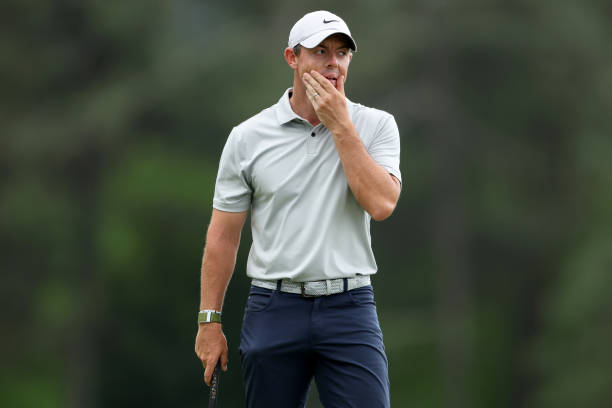
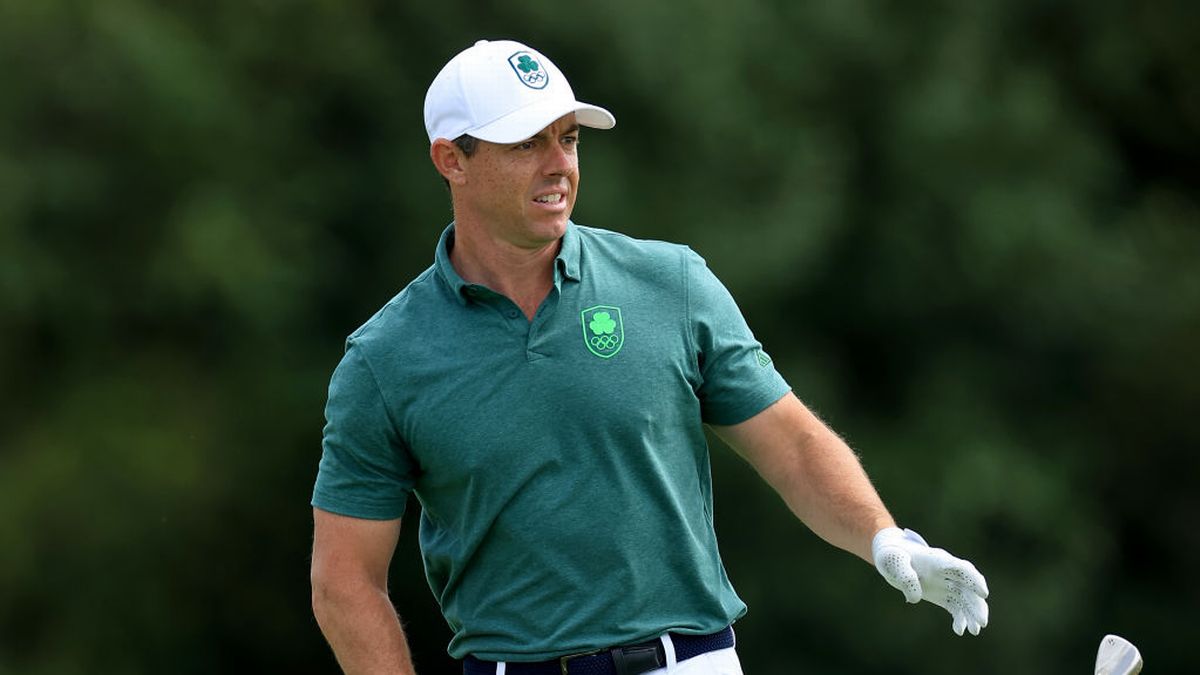
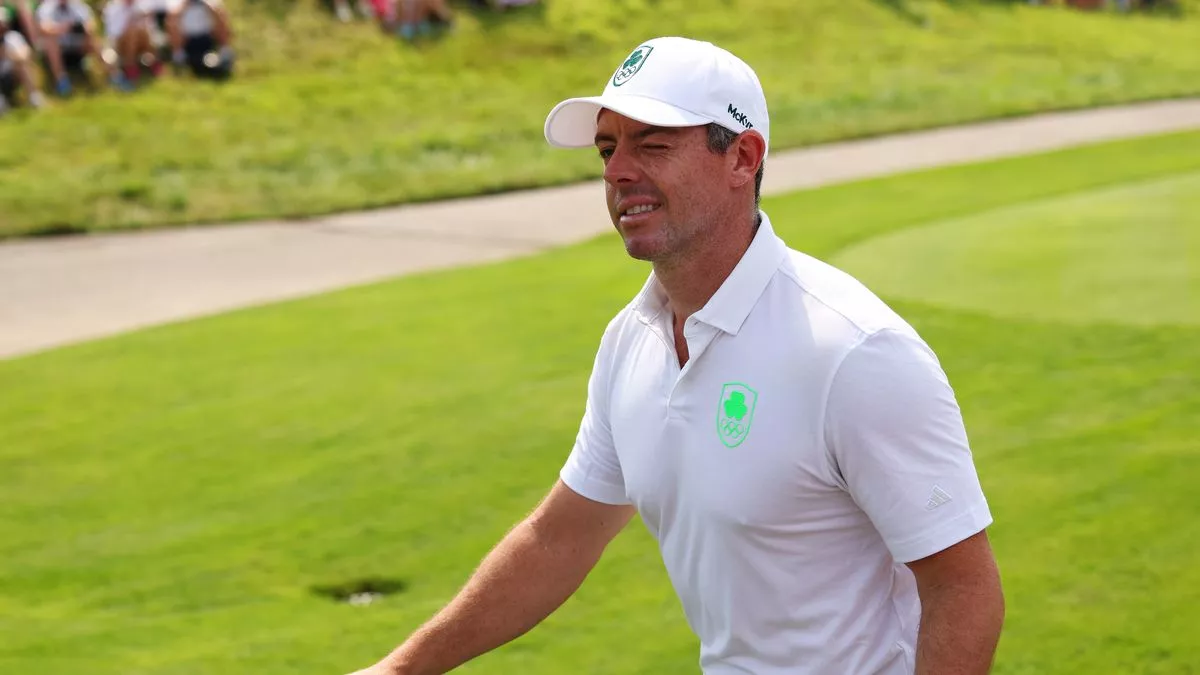
    SAINT QUENTIN-EN-YVELINES, France — In a dramatic turn of events at the Olympic golf tournament, Rory McIlroy found himself grappling with an agonizing close call that seemed almost scripted to torment him. The Irish golfer, already familiar with the sting of near-misses, faced yet another crushing disappointment as a golden opportunity slipped through his fingers—quite literally—into the water.


    McIlroy had ignited hopes of an Olympic breakthrough with an electrifying performance on the back nine. After an incredible five consecutive birdies, he surged to within striking distance of the leaders. The momentum seemed unstoppable. But just when victory appeared within reach, fate intervened in a way that seemed almost cruelly poetic.


    On the 15th hole, a seemingly straightforward par-4 turned into a nightmare. Standing at just 140 yards from the green, McIlroy aimed to capitalize on his earlier momentum with a wedge shot intended to set up yet another birdie. However, the shot he thought he executed perfectly fell victim to the unforgiving wind, landing short and plunging into the water hazard. The resultant double bogey shattered his hopes, leaving him with a painful reminder of how fine the line between glory and despair can be in professional sports.


    Despite his best efforts, which included a final-round 66 that showcased his resilience, McIlroy’s total score left him tied for fifth place. This finish, though commendable, was a bitter pill to swallow, especially in the face of such a near-miss. With Scottie Scheffler seizing the gold medal with a stellar 62, and Tommy Fleetwood and Hideki Matsuyama finishing ahead, McIlroy’s failure to convert on the 15th hole meant he finished four strokes behind Scheffler and just one shot away from a medal.


    Reflecting on the critical moment, McIlroy described his experience as a haunting echo of past failures. “When I got to 10 and 11, I looked at the board and I was 14 (under) and Jon [Rahm] had got to 20. I didn’t feel like I had a chance. Then I looked at the board again after I birdied 14 and I was one behind and I was like, holy sh-t, what just happened,” he recounted, frustration evident in his voice.


    The pivotal shot on the 15th was intended to be a routine play, but McIlroy’s execution was undermined by the wind. “I hit the shot I wanted to hit but didn’t get the ball in the air enough for the wind to carry it the extra 3 or 4 yards I needed to,” he explained. The failure to reach his intended spot cost him dearly, emphasizing how a small error can dramatically alter a golfer’s fate.


    McIlroy’s recent string of near-misses has only compounded the pain. From the U.S. Open, where late bogeys dashed his playoff hopes, to his struggles at other major tournaments, McIlroy has been dubbed golf’s ‘Nearly Man’—a moniker that encapsulates his persistent inability to convert close calls into victories. The Olympic disappointment adds another chapter to a story of agonizing near-successes that have plagued his career.


    This year, McIlroy did secure three victories—at the Dubai Desert Classic, the Zurich Classic of New Orleans, and the Wells Fargo Championship—but those wins stand in stark contrast to his failures at the Masters, PGA Championship, and the British Open. His performance at the U.S. Open was particularly distressing, leading him to withdraw from the following week’s tournament.


    With the FedEx Cup playoffs on the horizon, McIlroy intends to take a brief respite to enjoy other Olympic events before returning to competitive play. Yet, the sting of his latest setback will likely linger as he strives to overcome the ‘Nearly Man’ tag and finally convert his close calls into lasting triumphs.


    As McIlroy prepares to tackle the next chapter of his season, the question remains: will he be able to turn his near-misses into a triumph, or will he continue to wrestle with the agonizing proximity of victory? Only time will tell if the tide will turn for the Irish golfer.

  • Brandel Chamblee offers searing take on Jon Rahm’s Olympic collapse

    Brandel Chamblee offers searing take on Jon Rahm’s Olympic collapse

    Brandel Chamblee offers searing take on Jon Rahm’s Olympic collapse


    In the final round of the men’s golf competition at the 2024 Paris Olympics, the stage was set for an extraordinary conclusion. Jon Rahm, who entered the day as the co-leader after 54 holes, found himself in a commanding position with a four-shot lead and a sizzling front-nine 31. As the golf world watched in anticipation, Rahm’s strong performance on the front nine seemed to ensure his dominance, but the back nine brought a dramatic reversal.


    Scottie Scheffler, who had been trailing six shots behind Rahm at the turn, staged a remarkable comeback. With an impressive bogey-free round of 62 that included birdies on four of his last five holes, Scheffler managed to close the gap and secure the gold medal. His final score allowed him to edge out Tommy Fleetwood, who claimed the silver medal, by a single stroke. Hideki Matsuyama, who also surged in the final round, finished two shots behind Scheffler to take the bronze medal.


    Rahm’s back nine collapse, characterized by a dismal 39, sparked intense scrutiny and criticism. On Golf Channel’s “Golf Central,” analyst Brandel Chamblee did not hold back in his assessment of the situation. “That was just about the wildest back nine that you could ever imagine, ever predict,” Chamblee remarked. He highlighted the stark contrast between Rahm’s dominant position and Scheffler’s remarkable rally. “Jon Rahm had a four-shot lead in the gold position, and Scottie Scheffler, starting six shots back, wins gold without a playoff. One shoots 29 on the back nine, and Jon Rahm shoots 39.”


    Chamblee labeled Rahm’s performance as one of the most significant collapses of the year, drawing comparisons to Rory McIlroy’s struggles at the U.S. Open. He pointed out that Rahm’s back nine was riddled with mistakes, including a brutal four-hole stretch from Nos. 11 to 14 where Rahm carded two bogeys and a double bogey. Although Rahm managed to birdie the par-3 16th hole, he faltered again with two more bogeys on the final two holes, Nos. 17 and 18.


    Throughout the tournament, Rahm had exhibited exceptional skill, leading in key statistics such as fairways hit, driving distance, and greens in regulation. Chamblee noted that Rahm’s performance was marred by recurring issues with a “double cross,” a flaw in his swing that became evident on the back nine. He also highlighted the impact of several three-putts, which compounded Rahm’s difficulties.


    In the aftermath of the round, Rahm spoke to Golf Channel’s Rex Hoggard about the emotional weight of his performance. “For about 97 percent of the week, it has been fantastic,” Rahm said. He praised the crowd, the golf course, and the overall experience, despite the pain of his late collapse. “The week has been great, and it’s just a four-hole stretch where I could say I wasn’t happy. Besides that, it’s been a really good tournament.”


    Rahm acknowledged the profound sense of disappointment he felt. “It’s hard to let my country down in that way,” he admitted. He expressed that the emotional sting of not winning was more intense than he had anticipated. Rahm also reflected on his performance, saying, “Had it under control and just let it go. That’s all I can say.” When asked about future motivation, Rahm was cautious, noting that while he anticipated the experience might fuel his drive for future competitions, he was still processing the immediate disappointment.


    Looking ahead, Rahm’s chances of redemption could come in the 2028 Olympics in Los Angeles, where the host course will be Riviera. This venue holds positive memories for Rahm, as he won the Genesis Invitational there in 2023. If he qualifies and competes in the next Olympic Games, Rahm will have another opportunity to make his mark on the global stage and potentially secure a coveted Olympic medal.

  • Men’s Olympic Golf Winners and Losers: Scottie Scheffler Rises, Jon Rahm Collapses

    Men’s Olympic Golf Winners and Losers: Scottie Scheffler Rises, Jon Rahm Collapses

    Men’s Olympic Golf: Winners and Losers from a Dramatic Week

    The 2024 men’s Olympic golf tournament concluded with dramatic flair, highlighting the extraordinary highs and lows of professional golf. At the forefront of this year’s Olympic story was Scottie Scheffler, who cemented his remarkable season with a gold medal. Conversely, Jon Rahm’s disappointing finish was a stark reminder of how quickly fortunes can change in this sport.

    Winners

    Scottie Scheffler:

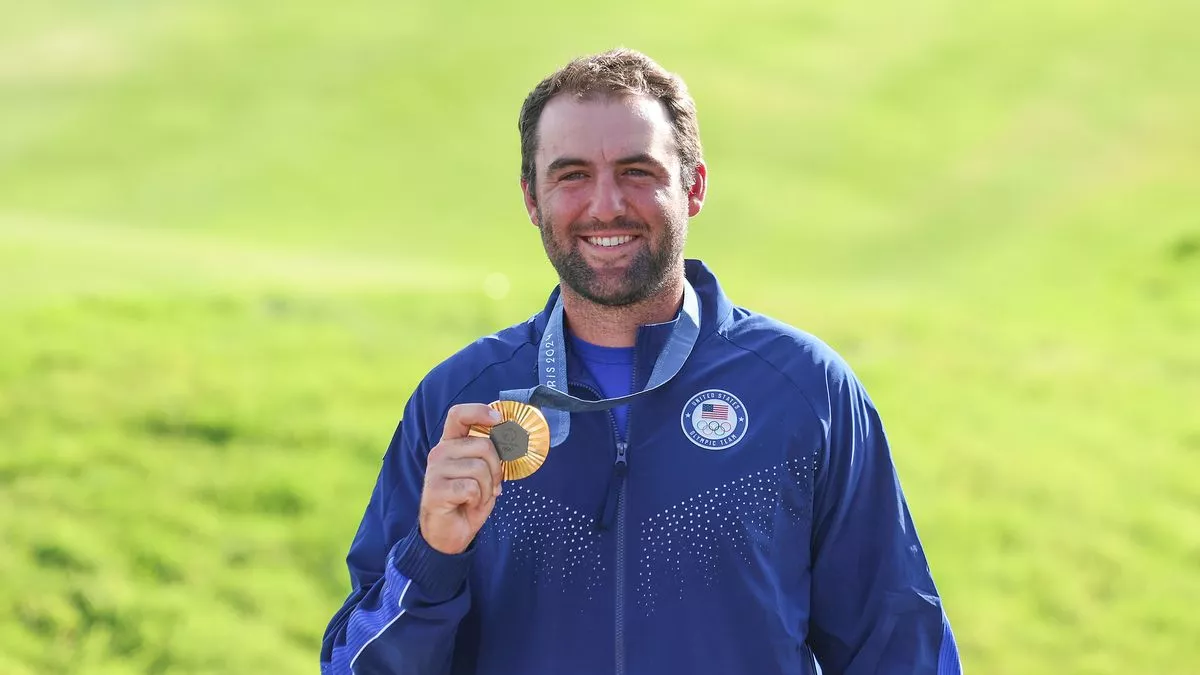
    Scottie Scheffler’s performance was nothing short of spectacular. The world No. 1 golfer delivered an impeccable final round, carding a bogey-free 9-under-par 62 to capture the gold medal. Scheffler’s triumph added a prestigious Olympic title to his already impressive resume, which includes multiple major victories and numerous Tour trophies. The victory underscored his dominance in the sport, especially after discussions about whether Xander Schauffele’s two major wins this year could rival Scheffler’s achievements. Scheffler’s gold medal weighed in at 529 grams, symbolizing not just his Olympic victory but the culmination of an extraordinary year.

    Golf at the Olympics:

    The Olympic golf event on Sunday was a testament to the sport’s growing significance on the global stage. The competition drew enthusiastic crowds, reflecting the increasing importance and excitement surrounding golf in the Olympics. This year’s event demonstrated that the best players in the world are starting to value the Olympic tournament as a significant achievement, a far cry from the initial skepticism surrounding golf’s place in the Games. The display of skill and passion on Sunday was as captivating as any major tournament this year, setting a high bar for future Olympic golf events.

    Tommy Fleetwood:

    Tommy Fleetwood, who secured the silver medal, experienced a bittersweet end to his Olympic journey. A late bogey on the 71st hole and a pulled approach shot on the final hole dashed his hopes of clinching gold. Despite the near miss, Fleetwood’s performance throughout the week was commendable. Playing in front of a supportive crowd at Le Golf National, he continued his ascent on the list of the best players without a major victory. His silver medal, though tinged with disappointment, is a testament to his consistent excellence.

    Victor Perez:

    French golfer Victor Perez delivered a remarkable performance, finishing just one shot shy of a medal. His final round was nothing short of extraordinary, with a back-nine 29 contributing to a round of 63. Perez’s impressive rally captivated the home crowd and highlighted his potential on the international stage. His performance was only surpassed by Scheffler’s final round, marking a memorable finish to the tournament for Perez.

    Wyndham Clark:

    Wyndham Clark’s journey through the tournament was one of resilience. After a rough start, with a 4-over-par score after his first three holes, Clark managed to turn his game around impressively. He played the remainder of the tournament at 15-under-par, including back-to-back 65s over the weekend. His final position in a tie for 14th place is a testament to his ability to bounce back from early adversity. Clark’s strong finish could be a precursor to a successful run in the PGA Tour playoffs.

    Losers

    Jon Rahm:

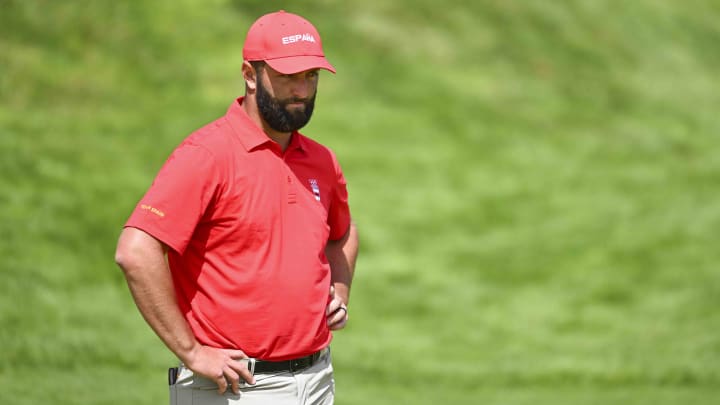
    Jon Rahm’s Olympic experience was marred by a dramatic collapse on the back nine. After holding a commanding four-shot lead, Rahm’s performance faltered significantly, resulting in a back-nine 39. This collapse saw him drop out of medal contention, leaving him visibly disheartened. Rahm’s reaction, describing the outcome as something that would “sting for a while,” reflects the weight of this setback on what has been a challenging year for the Spaniard.

    Viktor Hovland:

    Viktor Hovland’s performance was another disappointment. Despite finishing with rounds of 67 and 68 over the weekend, Hovland’s overall showing was underwhelming. His tie for 30th place in a 60-man field highlights a season of inconsistency following his FedEx Cup win in 2023. With his current position at 55th in the playoff standings, Hovland faces a challenging road ahead, potentially missing out on key playoff events if his form doesn’t improve.

    Rory McIlroy:

    Rory McIlroy’s pursuit of an Olympic medal was thwarted by a crucial mistake. Despite a promising start to his back nine with five consecutive birdies, a double bogey on the 15th hole derailed his chances. This misstep added to a growing list of near misses and what-ifs that have defined McIlroy’s career over the past decade. His finish underscored the ongoing challenge of translating strong performances into tangible victories.

    Xander Schauffele:

    While not entirely deserving of the “loser” label, Xander Schauffele’s Olympic defense fell short of expectations. After sharing the lead heading into the final round, Schauffele’s performance unraveled with a 2-over-par 73, the worst score among the top 30 finishers. Despite an early lead and a promising start, his inability to maintain form through the final round highlighted the unpredictable nature of the game.

    Conclusion

    The 2024 men’s Olympic golf tournament was a showcase of both triumph and heartache, reflecting the highs and lows of competitive golf. Scottie Scheffler’s gold medal performance was a highlight, demonstrating his exceptional skill and consistency. Meanwhile, the struggles of players like Jon Rahm and Rory McIlroy served as a reminder of the relentless challenges faced by even the best in the sport. As the golf world reflects on this event, it’s clear that Olympic golf is gaining significance, and the next tournament will undoubtedly build on the excitement and drama of this year’s competition.

  • The seventh win for Scottie Scheffler came with no money or FedEx Cup points but a gold medal instead.

    The seventh win for Scottie Scheffler came with no money or FedEx Cup points but a gold medal instead.

    Before the Olympics, Scottie Scheffler’s achievements had already established him as a top golfer, with six wins, including a major triumph at the Masters. Despite this impressive record, there was room for debate about whether he deserved to be named Player of the Year. However, any doubts were dispelled following his remarkable performance at the Olympic Golf Competition, culminating in a dramatic final round and a triumphant podium appearance to claim his gold medal.


    Scheffler, currently holding the position of the world’s number one golfer, has been on an extraordinary run, with achievements comparable only to those of Tiger Woods over the past three decades. His recent performance at the Olympics further cemented his status among the elite.


    Reflecting on his challenging week at the Olympics, Scheffler admitted, “I felt like at times this week I got more frustrated than I normally do. It was a pretty challenging week there for a while just because I felt like I was doing a lot of things well and I wasn’t getting a lot out of it at times. You know, just watching great players fly up the leaderboard, I felt like they were getting further and further away from me sometimes.”


    Starting the final round four shots behind Jon Rahm and Xander Schauffele, the reigning gold medalist, Scheffler made an impressive start with three consecutive birdies, quickly narrowing the gap between him and the leaders. Despite this strong beginning, the rest of the front nine was relatively uneventful for Scheffler, while Rahm surged ahead, making five birdies in the first ten holes. Rahm’s performance pushed Scheffler and others further away from the top spot, making it seem as if only silver and bronze were within reach.


    However, the dynamics of the game shifted as Rahm began to falter. He made bogeys on the 11th and 12th holes, which allowed Scheffler and the rest of the field to close the gap. Rahm’s troubles continued when he made a double bogey on the 14th hole, reopening the possibility of gold for those chasing him.


    Scheffler seized the opportunity as he made the turn. He put together a stellar performance on the back nine, with six birdies, including four consecutive birdies between the 14th and 17th holes. This surge moved him from trailing Rahm to a tie with Tommy Fleetwood, who had also been in contention.


    The tie was short-lived as Fleetwood stumbled with a bogey on the 17th hole, allowing Scheffler to edge ahead and secure a one-shot victory. Scheffler noted that he and his caddie, Teddy Scott, didn’t engage in extensive strategic discussions throughout the day. Instead, they focused on maintaining patience and staying composed. “I saw that Rahm had gotten to 20-under, and so I kind of changed a little bit mentally to just really try to do my best to move my way up the leaderboard. At one point, I didn’t even really know if I was in contention or not,” Scheffler recalled. “I just tried to do my best to make some birdies and start moving up and maybe get a medal or something like that just because Jon is such a great player.”


    Scheffler was aware of the challenges posed by Le Golf National, but the week’s conditions, characterized by rain and minimal wind, made the course more forgiving than usual. This presented an opportunity for aggressive play, and Scheffler aimed to capitalize on it. “I was doing my best. Once I started making some birdies to try to get to 19-under and give myself a chance to get in,” Scheffler said. “I was fortunate to execute some shots there down the stretch. The putt that I hit on 17, I was aware that I think Rahm had gotten into some trouble there on 13 or 14, and Tommy wasn’t able to birdie 14, so I felt like that was a pretty important putt with just how challenging the closing holes are.”


    As the competition neared its conclusion, Scheffler was on the driving range preparing for a potential playoff with Fleetwood, the only player with a chance to surpass him. When Fleetwood’s final chip shot missed the mark, Scheffler’s seventh win of 2024 was secured without the need for a playoff.


    With a gold medal draped around his neck, Scheffler reflected on his achievements with a sense of contentment rather than concern for his legacy. “I don’t really overthink about my legacy as a golfer; that’s not really something that comes to mind,” Scheffler said. “I love being out here competing. It’s one of my favorite things in the world to do, and it’s a great joy in my life. I’m proud to be out here competing.”


    Scheffler’s remarkable performance at the Olympics has not only elevated his career but has also underscored his position as one of the top golfers in the world. His resilience and strategic adjustments during the final round showcased his elite skills and determination, solidifying his place among golf’s greats.

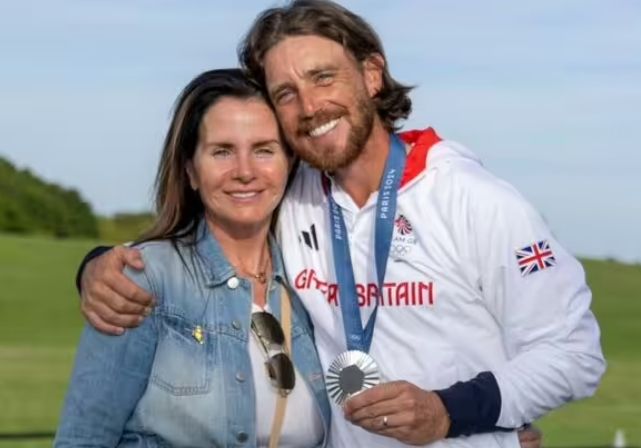
  • Tiger Woods always despised second place. That philosophy doesn’t work at the Olympics, where Tommy Fleetwood is ecstatic with silver

    Tiger Woods always despised second place. That philosophy doesn’t work at the Olympics, where Tommy Fleetwood is ecstatic with silver

    SAINT-QUENTIN-EN-YVELINES, France — Normally in elite professional golf, there’s not much satisfaction in not winning. As Tiger Woods once legendarily proclaimed, “Second-place sucks.”

    After a rousing finish to close out the men’s Olympic golf competition, both silver medalist Tommy Fleetwood and bronze medalist Hideki Matsuyama would offer a different assessment.

    Fleetwood fell short of Scottie Scheffler’s Sunday charge, bogeying the 71st hole to drop out of a tie for the gold medal, but he drained a six-footer for a closing par to secure the silver. Matsuyama, after a mediocre 71 on Saturday left him on the outside staring in at medal contention, rallied with a final-round 65 to finish a stroke ahead of French hero Victor Perez to win the bronze medal.

    Fleetwood, who’s won 10 times in his professional career, made the point that an Olympic medal wasn’t something he ever had a reason to think of because it wasn’t part of golf. Now, it resides in a fundamentally special place.

    “Just as a young boy that was taking up the game of golf, none of us here had the chance to dream of being an Olympian or winning an Olympic medal,” he said. “So it was never on our agenda until golf finally got in.

    “That quickly changes when you’re part of the Olympics. It feels unbelievably special. I know I didn’t win gold today, and a very good golfer did. Standing on that podium with a medal in front of the crowd was one of the most amazing moments I’ve had as a golfer, so I’ll remember all those times for the rest of my life.”

    Looked at more critically, Fleetwood easily could have been the most disappointed, holding steady throughout his round while Jon Rahm surged to a lead and then Scheffler rallied. A birdie on the nervy, watery 16th hole put him even with the No. 1 player in the world, but his approach from the rough on the long, uphill 17th bounded through the green, leaving him with nothing to work with and a difficult lie. The bogey dropped him out of the lead and then his approach shot on 18 settled beyond the green. The delicate pitch downhill gave the hole a look before settling six feet by. The putt drew broad cheers and flag-waving from a crowd interspersed with Union Jacks for the man who won at Le Golf National in 2017 and helped lead the European team to a win at the Ryder Cup a year later with his 4-1 record.

    “It was very, very enjoyable, it really, really was,” he said. “I think the leaderboard was unbelievable. You know, I just think it was a great spectacle for golf being out there and being part of that. If you’re not going to enjoy those times, then you know, you’re not going to get much happiness from the game of golf.

    “I enjoyed competing against the best players in the world for something that is so sought after and so cherished. This isn’t going to happen again now for four years. You’re always aware of that. Even on the last for me, normally I’d have sort of given that chip a go. I missed it, and I know I’ve lost the tournament, but I was still pretty nervous trying to get that Silver Medal over that 6-footer.”

    Finishing second, at least in this instance, clearly didn’t suck.


  • Former ASU Golfer Jon Rahm Fails to Secure Medal at Paris 2024 Olympics After Dramatic Final Day Collapse

    Former ASU Golfer Jon Rahm Fails to Secure Medal at Paris 2024 Olympics After Dramatic Final Day Collapse

    Former ASU Golfer Jon Rahm Fails to Secure Medal at Paris 2024 Olympics After Dramatic Final Day Collapse

    As the Paris 2024 Olympics drew to a close, all eyes were on Jon Rahm, the former Arizona State University (ASU) golfer who had entered the final day of the men’s golf tournament as the frontrunner for gold. Rahm, who had performed exceptionally throughout the earlier rounds, seemed poised to claim his first Olympic medal. However, the final day at Le Golf National would turn into a dramatic and disappointing chapter in his career.


    Rahm began the final round with a commanding four-shot lead, having delivered a stellar performance on the front nine, marked by a remarkable score of 31. The Spanish golfer appeared on track to fulfill his potential and secure a historic victory for Spain. His performance suggested a golden outcome was within reach.


    However, the narrative took a sharp turn on the back nine. Rahm’s once-imposing lead began to evaporate as he faced a series of uncharacteristic mishaps. His struggles started at the par-3 11th hole. Despite sinking a 30-foot birdie putt, Rahm’s ball was left only 3-4 feet from the hole. Unfortunately, his subsequent attempt to complete the hole resulted in his first bogey of the day as the ball rimmed out.


    The problems continued to mount as Rahm encountered difficulties at the 12th hole. A poor shot landed him in a bunker, and his efforts to recover from this setback were unsuccessful, resulting in a missed par from 15 feet away. The situation deteriorated further at the par-5 14th, where Rahm suffered a double bogey. This was a stark contrast to his earlier rounds in the tournament, where he had showcased his prowess with an eagle and two birdies over three previous rounds.


    The sequence of errors did not end there. Rahm also missed a crucial 10-foot birdie putt on the 15th hole and failed to convert an 8-foot par attempt on the 17th. The cumulative impact of these mistakes was significant, leading to a disheartening back-nine score of 39. This sharp decline saw Rahm drop from his leading position to a tie for fifth place. He ended the tournament with a score of 70, four shots behind the eventual winner, American golfer Scottie Scheffler, who set an Olympic record with an astonishing final-round score of 62. Rahm also fell behind bronze medalist Hideki Matsuyama from Japan, who finished just two shots ahead.


    The outcome was a significant letdown for Rahm, whose earlier form had suggested that a gold medal was within his grasp. The dramatic fall from a commanding lead to a disappointing fifth place raised numerous questions about what had gone wrong on the final day.


    The magnitude of Rahm’s collapse did not go unnoticed by the golfing community. Brandel Chamblee, analyst for Golf Channel’s “Golf Central,” did not mince words when assessing Rahm’s performance. “I’m gonna put that down as one of the biggest collapses, chokes of the year,” Chamblee commented, highlighting the gravity of the situation.


    Looking ahead, there remains the possibility that Rahm might choose to continue his Olympic career despite this setback. If he decides against retiring from Olympic golf, there could be an opportunity for him to return and compete in the Los Angeles 2028 Olympics, potentially using this experience as motivation to come back stronger.


    The Paris 2024 Olympics provided a dramatic and poignant chapter in Jon Rahm’s career, illustrating both the high stakes and the unpredictability of competitive golf on the world stage.

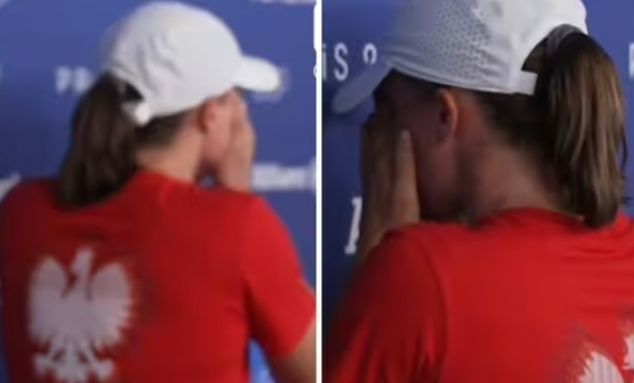
  • Płakałem przez 6 godzin”: Świątek brutalnie szczerze opowiada o szkodach emocjonalnych po szoku olimpijskim

    Płakałem przez 6 godzin”: Świątek brutalnie szczerze opowiada o szkodach emocjonalnych po szoku olimpijskim

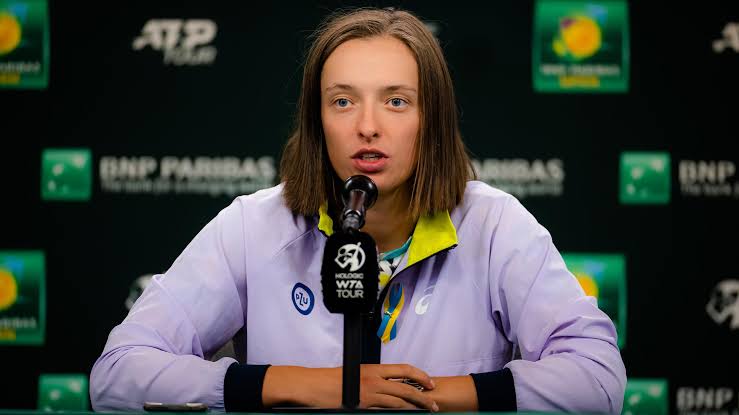
    Marzenie Igi Świątek o zdobyciu dla Polski złotego medalu na Igrzyskach Olimpijskich w Paryżu w 2024 roku zakończyło się rozczarowaniem, o czym otwarcie mówiła. Chociaż nie była to jej pierwsza porażka, strata była szczególna

  • Xander Schauffele reacts to Rory McIlroy’s sneaky LIV Golf dig as PGA Tour pair miss Olympic medals

    Xander Schauffele reacts to Rory McIlroy’s sneaky LIV Golf dig as PGA Tour pair miss Olympic medals

    Xander Schauffele’s response to Rory McIlroy’s critical remarks about the current state of professional golf highlights the ongoing tension and drama surrounding the sport, particularly in the context of the divide between the PGA Tour and LIV Golf. The recent Olympic Games saw McIlroy, a prominent player in the golfing world, narrowly miss out on a medal at Le Golf National. McIlroy’s disappointment was compounded by his strong, albeit controversial, opinions on the state of golf, which he expressed after the tournament.


    McIlroy’s performance in the Olympics was marked by a challenging final round that left him just short of a podium finish. The gold medal went to Scottie Scheffler in a dramatic conclusion, with Tommy Fleetwood taking the silver and Hideki Matsuyama securing the bronze. The event was a rare opportunity for top golfers to compete head-to-head, and the atmosphere was charged with national pride and competitive spirit.


    Following the tournament, McIlroy did not hold back in his criticism of the ongoing conflict between LIV Golf and the PGA Tour, referring to it as a “s— show” in a candid moment. His remarks reflected his frustration with the current state of professional golf and the impact of the tour divide on the sport.


    In response to McIlroy’s comments, Xander Schauffele, who himself had a disappointing showing by tying for ninth place, was less than sympathetic. Schauffele’s reaction was notably pointed, suggesting that McIlroy’s stance on the issue seemed inconsistent. Schauffele remarked, “He kind of bounces around with his opinion, you know. He said that he… he’s reverted on that topic.” This comment underscores the ongoing debate and divisions within the golfing community, particularly regarding McIlroy’s vocal opposition to LIV Golf and his apparent shifting opinions on the matter.


    Despite his critical stance on McIlroy’s remarks, Schauffele did acknowledge the value of the Olympic golf experience. He conceded that McIlroy’s observations about the unique nature of the Olympics and the sense of national pride it instills were valid. Schauffele noted, “Yeah, I mean, there’s something to be said about it,” before elaborating on the emotional and patriotic significance of competing in the Olympics. He described the Olympic experience as being imbued with a different kind of energy and pride, contrasting it with other tournaments and highlighting the significance of representing one’s country on such a global stage.


    The Olympics provided a different kind of experience compared to traditional golf tournaments, with Schauffele reflecting on the contrast between the Tokyo Games and the more recent event. He emphasized that this year’s Olympic atmosphere was markedly distinct, with enthusiastic fans and the opportunity to witness a variety of sports and games. This contrast with previous Olympic experiences, such as those in Tokyo, was notable for Schauffele, who appreciated the vibrant and immersive nature of the event.


    Looking ahead, golf enthusiasts will need to wait until April of the following year for the next major competition, which will be The Masters. This upcoming event is expected to bring together the world’s top players, although the sport continues to be affected by the ongoing division between tours. The PGA Tour and LIV Golf, backed by the Saudi Arabian Public Investment Fund, remain in negotiations aimed at resolving the rift and potentially bringing about a significant shift in the landscape of professional golf.


    McIlroy, for his part, has expressed uncertainty about the current status of these negotiations. Speaking during the Olympics, he admitted to being out of the loop, stating, “I have no idea what’s going on. I’m blissfully unaware.” This comment reflects the broader uncertainty and lack of clarity that currently surrounds the potential resolution of the conflict between the PGA Tour and LIV Golf.


    As the situation continues to evolve, the future of professional golf remains in flux, with players, fans, and stakeholders eagerly awaiting further developments. The resolution of the tour divide and the potential merger could have profound implications for the sport, reshaping its competitive landscape and impacting how golfers like McIlroy and Schauffele navigate their careers in the coming years.

  • Olympic golfer Tom Kim wipes away the tears as he misses chance to avoid military service in South Korea

    Olympic golfer Tom Kim wipes away the tears as he misses chance to avoid military service in South Korea

    Tom Kim, the talented South Korean golfer, was visibly emotional after finishing eighth in the men’s golf competition at the Paris Olympics, a poignant moment captured as he fought back tears. The intense final round of the competition saw Scottie Scheffler emerge victorious, clinching the gold medal for the United States with a stunning performance that equaled the course record with a nine-under-par 62.


    As the final round unfolded, Scheffler delivered a masterful display of golf that proved too strong for his competitors. Tommy Fleetwood, who had been tied with Scheffler as they approached the 17th hole, ultimately secured the silver medal for Team Great Britain. Japan’s Hideki Matsuyama completed the podium with a bronze, finishing at an impressive 17 under par at Le Golf National.

    https://x.com/NUCLRGOLF/status/1820117175622926376?t=YmNlgcHfDLUh8roD-yrtMw&s=19

    For Kim, a podium finish would have been more than just an Olympic medal—it would have allowed him to bypass mandatory military service in South Korea. South Korean law requires men to fulfill military conscription before the age of 28, a significant consideration for athletes who wish to pursue uninterrupted careers. Kim, 22, was in contention for a medal but fell short after a heartbreaking double-bogey on the final hole, which left him in eighth place and dashed his hopes of avoiding conscription at this time.


    Scottie Scheffler, despite his own triumph, showed a deep sense of camaraderie by trying to comfort Kim after the conclusion of the round. Kim’s visible distress in the clubhouse was a stark contrast to the victorious celebration of Scheffler and his fellow medallists. In the aftermath, Kim reflected on his emotions, which were heightened by the intense year of hard work he had invested to reach this position. He shared that he had never been particularly emotional after a golf round before, but the weight of the occasion and the supportive words from Scheffler had brought these feelings to the forefront.


    Kim’s situation is compounded by South Korea’s mandatory conscription policy, which looms over many young male athletes and professionals. Although Kim has additional opportunities to defer his military service, such as through the 2026 Asian Games in Japan or the 2028 Summer Olympics in the United States, the near-miss in Paris was a significant setback. Kim had previously downplayed the stress of the conscription issue, focusing instead on his golf and maintaining a positive outlook.


    He stated, “It doesn’t worry me at all,” in reference to the prospect of conscription before the final round. Kim was determined not to let the potential for conscription distract him from his performance. He believed that focusing on his golf and performing well would ultimately address any concerns regarding his mandatory service.


    The experience of fellow South Korean golfer Bae Sang-moon, who was conscripted for 21 months despite his successes on the PGA Tour, served as a sobering reminder of the reality that many South Korean athletes face. Kim acknowledged this by remarking, “Just because it happened to him doesn’t mean it happens to other people. You can’t say that it affected him at all.” Kim chose not to dwell on these issues, preferring to concentrate on his game and his immediate objectives.


    The topic of military service has also touched other South Korean athletes in different ways. For instance, Tottenham footballer Son Heung-min faced the prospect of full conscription in 2018 but managed to reduce his required service by leading South Korea to victory at the Asian Games that same year. His experience highlights the potential for sports achievements to influence or mitigate conscription requirements, though it also underscores the pressure faced by South Korean athletes to balance their professional careers with national obligations.


    Reflecting on his own experience of conscription, Son shared, “The guys were nice, the three weeks were tough but I tried to enjoy the three weeks.” He described his time with his fellow conscripts as challenging yet rewarding. “I don’t know how the people felt but for me three weeks has been long. But it was a good experience and I enjoyed it.” Son recounted the initial awkwardness of meeting new people and adjusting to the shared living conditions, but he appreciated the camaraderie that developed over time. “On the first day, the other guys couldn’t even speak to me but afterwards they were joking with me, and in the end, we were enjoying everyone together.”


    As Tom Kim continues to navigate his career and the realities of South Korea’s conscription laws, he remains hopeful and focused. The Olympic experience, while emotionally taxing, also presents him with future opportunities to achieve his goals and potentially sidestep mandatory military service through success in upcoming major events.

  • Watching Scottie Scheffler Get Overcome With Emotion After Olympics Win Will Make Your Spirit Soar

    Watching Scottie Scheffler Get Overcome With Emotion After Olympics Win Will Make Your Spirit Soar

    Golfer Scottie Scheffler’s remarkable 2024 reached a crescendo on Sunday, as he clinched a gold medal in men’s golf at the Paris Olympics. The 28-year-old Scheffler, who has had an extraordinary year, saw his emotional reaction to this pinnacle moment captured poignantly.

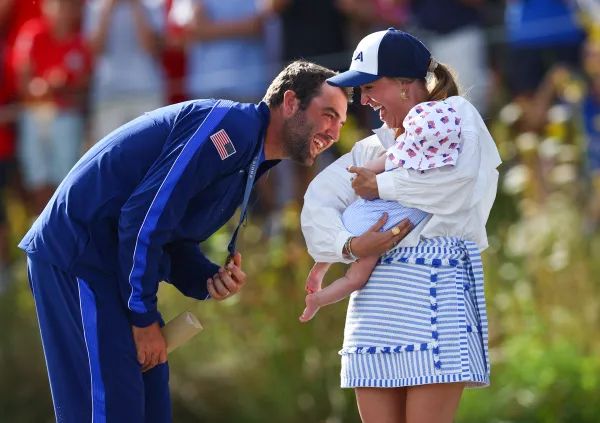
    Scheffler’s achievement in Paris is the latest highlight in what has already been a banner year for him. Earlier in the year, he won his second Masters Tournament, solidifying his status as one of golf’s elite. Additionally, Scheffler and his family welcomed a new child into the world, adding a deeply personal and joyous milestone to his professional successes.


    As the national anthem played during the victory ceremony, Scheffler was visibly moved, his emotions spilling over as he stood on the podium. The sight of him in tears was a testament to the significance of the moment and the weight of representing his country on such a grand stage. In a year filled with personal and professional highs, the Olympic gold medal stands as one of the most illustrious achievements of his career.


    In a post-ceremony interview, Scheffler reflected on his win with heartfelt sincerity. “It’s pretty high up there [on the stand],” he said, highlighting the gravity of the occasion. “Anytime you’re able to represent your country is pretty special. This was a fun week and it was great representing the USA, and I’m proud to be going home with a medal.”


    The journey to the gold medal was anything but easy. Scheffler’s performance at Le Golf National in Saint-Quentin-en-Yvelines was nothing short of spectacular. He began the final round trailing by four shots but mounted a dramatic comeback. Scheffler delivered a stellar 9-under 62, the lowest round of the tournament, to secure the gold. His final round was marked by four consecutive birdies down the stretch, a testament to his resilience and skill under pressure.


    The 17th hole was particularly crucial. Scheffler found himself in deep rough but managed to make a remarkable shot, followed by an 18-foot birdie putt that put him in the lead for the first time that day. His final tally of 19-under 265 set an Olympic record for 72 holes. Despite a valiant effort from Tommy Fleetwood, who finished with a silver medal after a solid performance that included a 66 in the final round, Scheffler’s performance was simply too strong.


    As Scheffler returns home, he will have to find space in his collection of trophies for this gold medal. The medal joins his two green jackets from Masters victories and numerous other accolades, marking him as one of the most accomplished golfers of his generation.


    In summary, Scottie Scheffler’s Olympic victory is not just a testament to his skill and determination but also to his emotional depth and pride in representing his country. As he reflects on this monumental achievement, it is clear that this gold medal will hold a special place among his many honors.