• Tommy Fleetwood echoes Jon Rahm after LIV Golf star demands change to Olympic event

    Tommy Fleetwood echoes Jon Rahm after LIV Golf star demands change to Olympic event


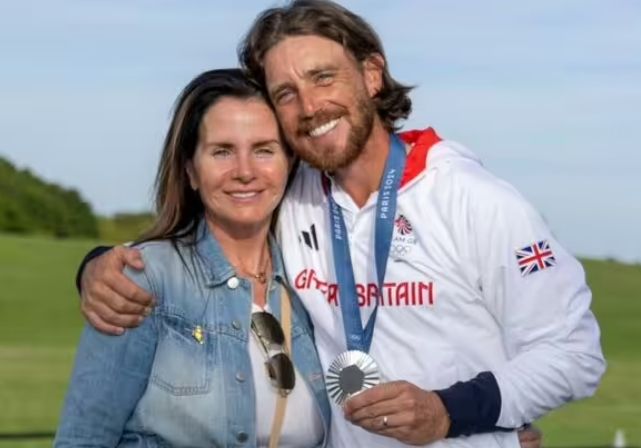
    Tommy Fleetwood is enthusiastic about the potential expansion of golf’s role in the Olympic Games as he prepares for his second appearance representing Team Great Britain at this week’s event. Fleetwood, who will be competing alongside Matt Fitzpatrick at Le Golf National in Paris, is eager to pursue gold for his nation. The duo’s participation highlights the growing significance of golf in the Olympics since its return to the Games.


    Golf made its Olympic comeback in 2016 after a hiatus of over a century. Since then, Fleetwood has participated in two of the three Olympic golf tournaments held, including the current one in Paris. The men’s golf event at the Olympics follows a 72-hole stroke play format, a tradition that has been in place since golf’s return. However, there have been ongoing discussions about adding a team event to the Olympic golf schedule. A mixed team format, incorporating both men and women, has been suggested as a potential addition for the 2028 Los Angeles Games.


    Fleetwood has expressed his support for such changes, emphasizing that more opportunities for medals would be beneficial. “More opportunities for a medal are always better,” he remarked, reflecting on the idea of introducing a team golf event. “The more chances there are, the better, really. If there’s an opportunity to try something new and potentially win a medal, I would be very interested in exploring that. It could be a fantastic idea, and I would love to experience it if the chance arises.”


    Fleetwood’s sentiments are echoed by Jon Rahm, who is also in Paris representing Spain alongside David Puig. Rahm, a former Masters champion, has voiced his enthusiasm for a team format in the Olympic golf competition. He expressed a desire to participate in a team event, stating, “I would love to play alongside a partner or in a combined format. It would be wonderful to represent Spain in that way, sharing the stage with another player and doing something different from what we do on a daily basis.”


    Rahm also advocates for greater flexibility in the selection process for Olympic golfers. He believes that each nation should have the autonomy to choose its Olympic representatives rather than being restricted by the Official World Golf Ranking (OWGR). This perspective is particularly relevant given that several LIV Golf players, including Bryson DeChambeau and Cam Smith, did not qualify for the Paris Games due to the current ranking system.


    The potential changes to Olympic golf, including the introduction of a team event and a more flexible selection process, are topics of significant interest among players like Fleetwood and Rahm. Both golfers are keen to see how these adjustments could enhance the Olympic experience and provide new opportunities for athletes in the sport. As the golf community looks ahead to future Olympic Games, the possibility of these reforms continues to generate excitement and anticipation.

  • Venus Williams podsyca plotki o romansie z Andreą Preti podczas rejsu łodzią wzdłuż wybrzeża Amalfi z przyjaciółmi

    Venus Williams podsyca plotki o romansie z Andreą Preti podczas rejsu łodzią wzdłuż wybrzeża Amalfi z przyjaciółmi

    Tenisowa gwiazda Venus Williams oraz włoski aktor-reżyser Andrea Preti wzbudzili plotki o romansie po wspólnej wycieczce. W słoneczną sobotę para została zauważona podczas relaksującego rejsu łodzią wokół Nerano na włoskim wybrzeżu Amalfi. Malownicze otoczenie stanowiło zachwycające tło dla rosnącej bliskości 44-letniej tenisistki i 36-letniego Preti, którzy coraz bardziej zbliżali się do siebie przez cały dzień.

    Podczas ich wspólnej wycieczki Williams i Preti wykazywali widoczną czułość. Widziano ich, jak szepczą sobie do uszu i dzielą się intymnymi chwilami pod ciepłym włoskim słońcem. W pewnym momencie Preti objął siedmiokrotną mistrzynię wielkoszlemową, a para wydawała się być bardzo komfortowa i zaangażowana w swoje towarzystwo. To publiczne okazanie bliskości wzbudziło spore zainteresowanie, zwłaszcza biorąc pod uwagę, że Williams zazwyczaj preferuje zachowanie prywatności w życiu osobistym.

    Ich chemia była jeszcze bardziej widoczna, gdy Preti stał za Williams, trzymając ją za ramiona podczas spotkania z przyjaciółmi na pokładzie łodzi. Świadek relacjonował DailyMail.com, że para „cieszyła się kilkoma drinkami” i „wyglądała na szczęśliwą na łodzi”, co sugeruje, że atmosfera podczas ich wycieczki była relaksująca i radosna. Po spędzeniu czasu na wodzie, udali się do pobliskiej restauracji, aby zasmakować w znanych włoskich specjałach.

    Na tę okazję Venus Williams wybrała efektowną sukienkę z aksamitu o głębokim dekolcie, która podkreślała jej imponującą sylwetkę. Jej ciemne brązowe włosy były upięte w elegancki kok, co było praktycznym wyborem na rejs. Później założyła kapelusz typu bucket, aby chronić twarz i oczy przed intensywnym słońcem. Z kolei Andrea Preti postawił na bardziej casualowy wygląd, nosząc białą koszulę, którą pozostawił rozpiętą, okulary przeciwsłoneczne oraz czerwono-białe szorty, prezentując się w luźnym, lecz stylowym wydaniu.

    Preti, pochodzący z Danii, obecnie mieszkający we Włoszech, ma różnorodną karierę. Zanim zajął się aktorstwem i reżyserią, pracował jako model. Swoje umiejętności szlifował w Akademii Susana Batsona w Nowym Jorku, co otworzyło mu drogę do pracy w telewizji, reklamach i filmach. W jego filmografii znajduje się jego debiut reżyserski z 2014 roku, „One More Day”, a także „The Wolf Man”, projekt koncentrujący się na dualizmie ludzkiej natury, odzwierciedlający tematy światła i ciemności.


    W swoim trzecim projekcie Preti wyreżyserował międzynarodową koprodukcję, która porusza tematy homofobii i różnorodności ludzkiej. Jego czwarty projekt, „Animals”, to film akcji, który łączy elementy akcji, smutku i miłości, pokazując jego wszechstronność jako twórcy filmowego.

    Venus Williams miała kilka głośnych związków w przeszłości. Była wcześniej związana z kubańskim modelem Elio Pisem, z którym zaczęła się spotykać w 2012 roku. Para zadebiutowała publicznie na Wielkim Szlemie w Nowym Jorku, ale zakończyli swój związek w 2017 roku, a powody ich rozstania nie zostały ujawnione.


    Po Pisie, Williams była w związku z bogatym finansistą Nicholasem Hammondem, z którym zaczęła się spotykać w 2017 roku. Para pojawiła się nawet razem na weselu jej siostry Sereny. Jednak ten związek również zakończył się w 2019 roku.


    Williams wielokrotnie wypowiadała się na temat swoich poglądów na temat małżeństwa i związków. W wywiadzie dla Cosmopolitan w 2021 roku wyraziła zadowolenie ze swojego życia i zauważyła, że nie czuje presji, aby wziąć ślub lub osiedlić się. Podzieliła się przemyśleniami na temat tego, jak przyjaciele często kwestionują jej decyzję o pozostaniu singielką, sugerując, że mogą nie rozumieć jej zadowolenia z obecnego stylu życia.


    Rok później, w wywiadzie dla Glamour, Williams omawiała wyzwania związane z utrzymywaniem życia singielki. Przyznała, że choć łatwo jest utknąć w takim stylu życia, aktywnie pracuje nad znalezieniem równowagi i zrozumieniem, czego chce w życiu. Podkreśliła, że choć nie jest skłonna spieszyć się z wejściem w związek, uznaje znaczenie adaptacji do zmian w życiu i otwartości na nowe doświadczenia, niezależnie od tego, czy oznacza to przyjęcie związku, czy kontynuowanie życia jako singielka.


    Na razie ani Williams, ani Preti nie potwierdzili oficjalnie swojego statusu związku, pozostawiając fanów i media w stanie spekulacji dotyczących natury ich relacji na podstawie ostatnich publicznych wystąpień i interakcji.

  • It’s a problem area for lots of golfers—this U.S. Olympian’s swing feel can fix it

    It’s a problem area for lots of golfers—this U.S. Olympian’s swing feel can fix it

    Enhancing Your Golf Swing with Collin Morikawa’s Expert Tip: Combatting the Fake Backswing Turn

    Collin Morikawa, the talented U.S. Olympian and one of the standout golfers representing Team USA at the upcoming event at Le Golf National, has recently been experiencing a significant upswing in his performance. Known for his precision and skill on the golf course, Morikawa is a prime example of excellence in the sport. At a Golf Digest cover shoot held late last year, he shared valuable insights into improving ball striking, offering tips that could benefit golfers of all levels.


    Among the many tips Morikawa provided, one in particular stands out for its potential to address a common issue faced by amateur golfers. This issue involves what is often referred to as the “fake backswing turn,” a problem that can hinder a golfer’s performance by affecting power and accuracy. Understanding and correcting this flaw can lead to a more efficient and powerful swing, which is essential for achieving better results on the course.


    Understanding the Problem: Fake Backswing Turn

    A prevalent challenge among amateur golfers is the tendency to cheat their backswing turn. This typically happens when golfers rely too heavily on lifting their arms to reach the top of the backswing rather than rotating their body effectively. This approach compromises their power and can lead to several other problems, such as an overly steep swing path or reduced control over the clubface.


    When golfers attempt to compensate for a lack of body rotation by using their arms excessively, it often results in a loss of balance and fluidity in their swing. Additionally, this technique can lead to poor shot mechanics, making it difficult to achieve consistent and accurate ball striking.


    ### The Solution: Morikawa’s Backswing Feel


    Collin Morikawa’s approach to correcting this issue involves a specific feel that focuses on improving the mechanics of the backswing. According to Morikawa, one of the most effective ways to address the fake backswing turn is to concentrate on the movement of the sternum—the central part of the chest.


    **Key Feel: Stretch Sternum Towards the Sky**


    Morikawa emphasizes that golfers should aim to move their sternum upward towards the sky during the backswing. This feeling helps to initiate the backswing with the larger muscles of the chest rather than relying solely on the arms. By doing so, golfers can achieve a more natural and effective turn, leading to improved power and stability in their swing.


    Morikawa describes the sensation as feeling like his sternum moves back with his hands and then stretches upwards. This movement ensures that the wrists do not become too active and cause the club to be snatched away prematurely. By focusing on this upward stretch of the sternum, golfers can maintain better control over their swing and avoid common pitfalls associated with an inefficient backswing.


    ### Benefits of the Sternum Stretch


    The primary advantage of focusing on the sternum’s upward movement is that it promotes a more complete and effective rotation of the torso. This approach helps to create a more powerful stretch and turn, which is crucial for generating distance and accuracy in shots. Additionally, it encourages a more natural and balanced swing, reducing the likelihood of making compensatory adjustments that can negatively impact performance.


    By stretching the sternum towards the sky, golfers can also increase their range of motion in the thoracic region of the spine. This improvement in flexibility allows for a more fluid and controlled backswing, ultimately leading to a more consistent and powerful swing overall.


    ### Putting It into Practice


    Incorporating Morikawa’s tip into your practice routine can be a straightforward process. Begin by focusing on the sensation of stretching your sternum upwards during your backswing. It may be helpful to practice this movement in front of a mirror to ensure you are achieving the correct feeling. As you become more comfortable with the technique, integrate it into your full swing practice to develop muscle memory and consistency.


    By paying attention to this critical aspect of the backswing, you can address the issue of a fake backswing turn and improve your overall swing mechanics. The result will be a more powerful and accurate golf swing, leading to better performance on the course.


    For those interested in exploring more swing tips and techniques, Golf Digest offers a comprehensive Swing Thought Finder tool, which provides a wealth of information and advice to help golfers refine their skills and improve their game.


    In conclusion, applying Collin Morikawa’s advice on focusing on the sternum’s movement can make a significant difference in addressing common swing issues. By enhancing your backswing mechanics and promoting a more effective turn, you can elevate your game and achieve better results on the golf course.

  • Eight years later, former world No. 1 Jason Day opens up on a career regret

    Eight years later, former world No. 1 Jason Day opens up on a career regret

    Jason Day’s Olympic Aspirations: A Glimpse into 2028 and 2032

    Jason Day is gazing into the future, envisioning the 2028 and 2032 Olympic Games. The prospect of competing in Los Angeles in 2028, and later in Brisbane, Australia, in 2032, is both exhilarating and daunting. For Day, the idea of playing on home soil in Brisbane is particularly appealing, evoking the rallying cry, “Aussie, Aussie, Aussie!” as he contemplates the possibility of adding an Olympic medal to his accolades.


    In a light-hearted exchange on Tuesday at Le Golf National, as the players prepared for this year’s Olympic tournament, Day and fellow golfer Min Woo Lee engaged in a playful conversation about the future. Lee, who is 26, teased Day about whether he would still be competing by then.


    “Will you still be playing?” Lee asked with a hint of mischief.


    “How far is that away?” Day replied. “Eight years?”


    Lee then guessed Day’s age in 2032, estimating him to be 54. To this, Day responded with a chuckle, acknowledging that he would indeed be 44 by then. “I’m the old man on the team apparently,” Day said, making light of his situation.


    This banter was more than just playful; it highlighted a larger narrative about Day’s evolving perspective on the Olympics. Once indifferent to the Olympic Games, Day now finds himself contemplating his future involvement with renewed enthusiasm.


    In 2016, Day had been a notable absentee from the Rio Olympics. At that time, he cited concerns over the Zika virus as a significant factor in his decision. Reflecting on his absence, Day now expresses regret, acknowledging that his reasons for not participating were not as compelling as he initially believed.


    Day, who had been the world No. 1 or No. 2 around that time, admits that he was overwhelmed and burnt out. The pressure of being at the top of his game, combined with the challenges of representing his country on such a grand stage, led him to prioritize his well-being over the Olympic experience. “I think I was like to a point where I was kind of burnt out,” Day confessed. “And the last thing on my mind was representing Australia in the Olympics.”


    Looking back, Day wishes he had made a different choice. “I should’ve just sucked it up and gone down and played,” he reflects. “It would have been a great experience for me to go down there and represent something that’s bigger than you.”


    When the Tokyo Games came around in 2021, Day was again sidelined, this time due to injuries and competition from higher-ranked players like Cam Smith and Marc Leishman. Although Australia is a smaller country with fewer top-ranked golfers, Day felt confident that if he performed well, he could secure a spot on the team. Unfortunately, his health issues and the fierce competition kept him from qualifying.


    Day’s shift in perspective can be traced back to his experience at the U.S. Open, where burnout and the demands of his career were evident. Over a 13-month period, Day had secured eight victories, which came with a toll on his physical and mental well-being. “After a while,” Day said, “you can only give out so much of yourself before you go — you pull the brakes and you’re saying, I’m not doing that anymore.”


    Recently, Day has been inspired by the emotional intensity displayed by Olympic athletes from other sports. He watched Olympic judo competitions and was moved by the profound impact that winning or losing has on these athletes. The dedication and emotional weight carried by competitors in judo and other sports have altered Day’s view of the Olympics. “Watching some of these women break down, showing how much it actually means to them, not only to represent their country but to try and win a medal — it’s very inspiring to watch,” Day said.


    For Day, the Olympics now represents more than just another tournament. It symbolizes an opportunity to achieve something beyond personal success, to be part of something larger than himself. The transformation in his perception underscores a newfound appreciation for the significance of competing on the Olympic stage.


    As the conversation turned to the current Olympic golf tournament, Day allowed himself to entertain the possibility of success. Despite his age and the competitive field, the Olympics’ rare occurrence every four years keeps him motivated. With the support and camaraderie of his teammates, Day remains hopeful about his prospects and the chance to add an Olympic medal to his career achievements.


    The playful exchange with Min Woo Lee was more than just a friendly chat; it underscored a significant shift in Day’s approach to the Olympics and his aspirations for the future. Whether he will be competing in

  • Tiger Woods shows ultimate class with text message to Xander Schauffele

    Tiger Woods shows ultimate class with text message to Xander Schauffele


    Xander Schauffele, the Olympic gold medalist and golfing sensation, recently experienced an emotional high after receiving a text message from none other than golfing legend Tiger Woods. This gesture of encouragement from Woods came as a tremendous boost following Schauffele’s remarkable achievement of winning The Open Championship, adding another prestigious title to his already impressive resume.


    Schauffele, who had previously clinched his first major victory at the PGA Championship earlier in May, further solidified his standing in the golfing world with his triumph at The Open Championship held at Royal Troon. This victory, which saw him secure the Claret Jug, was a testament to his skill and perseverance. At 30 years old, Schauffele has demonstrated significant talent and determination, positioning himself as a prominent figure in modern golf. His win at The Open was particularly noteworthy as it marked his ascent to the top of the leaderboard after a determined and strategic performance in Scotland.


    Following this major victory, Schauffele received a message from Tiger Woods, a figure he has long admired and respected. Woods, a 15-time major champion renowned for his dominance in the sport, reached out to Schauffele with a congratulatory note. The message was simple yet profoundly meaningful, reflecting Woods’ support for the next generation of golfers. The text from Woods read, “Champion Golfer of the Year, take it in,” which Schauffele described as a gesture that added an extra layer of significance to his achievement.


    The timing of the message was particularly memorable for Schauffele. He had the opportunity to play his initial rounds at Troon alongside Woods, although he did not see him during the early part of the tournament. When Schauffele finally encountered Woods on the Thursday of the event, Woods made a pointed comment about Schauffele’s recent major win. Initially, Schauffele was unsure of Woods’ intention, but it became clear that Woods was acknowledging Schauffele’s accomplishment in securing a major title.


    The impact of Woods’ message on Schauffele was profound. He openly expressed his admiration and respect for Woods, acknowledging that receiving such recognition from a player of Woods’ caliber was both humbling and exhilarating. Despite Schauffele’s own successes and rapidly rising profile in the sport, he remains acutely aware of the significant achievements of Woods, who has a remarkable record of 15 major titles. Schauffele’s reaction to Woods’ message underscored his ongoing reverence for the legend and his recognition of the high standards set by Woods.


    Moreover, Schauffele has been vocal about his appreciation for Woods’ influence on the sport. He has previously expressed a desire for Woods to continue competing, despite some opinions suggesting that Woods should consider retirement. Schauffele’s admiration for Woods goes beyond mere professional respect; it reflects a deep appreciation for Woods’ contributions to golf and his role as a trailblazer in the sport.


    As Schauffele looks ahead to the Paris 2024 Olympics, where he will defend his gold medal from the Tokyo 2020 Games, he is motivated by his recent achievements and the support from golfing icons like Woods. Schauffele’s potential to make history at the Olympics is significant, as he could become the first golfer to earn medals in two consecutive Olympic Games since golf’s return to the Olympics in 2016, more than a century after it was previously included.


    The Olympics have seen only four instances of golf being featured since its reintroduction, making Schauffele’s pursuit of additional gold medals a remarkable and ambitious goal. His continued success on the international stage will be closely watched, and he remains focused on the challenges ahead as he aims to build upon his accomplishments and make his mark in the history of the sport.


    In summary, the recent message from Tiger Woods has not only provided a personal boost to Xander Schauffele but also highlighted the camaraderie and mentorship that characterize the golfing world. As Schauffele prepares for future competitions, including the upcoming Olympics, he carries with him the support and encouragement of one of the greatest golfers in history, further fueling his determination to excel and achieve new milestones in his career.

  • Rory McIlroy has taken another dig at his American rivals.

    Rory McIlroy has taken another dig at his American rivals.

    Rory McIlroy has taken the opportunity to poke fun at his American rivals ahead of representing Ireland in the upcoming Paris Olympics. Golf, which was reintroduced to the Olympic Games in Rio de Janeiro in 2016, has since seen players vying for the prestigious gold medal. McIlroy, a prominent figure in the golf world, is keen on securing a gold medal at the Paris Olympics and has made his intentions clear with some light-hearted jabs at his competition.


    Recently, McIlroy was spotted making a surprise visit to St. Andrews, a historic venue in the golf world, where he had an impromptu round of golf. During this visit, he was filmed humorously interacting with fans. In one memorable exchange, an enthusiastic supporter shouted, “New York loves you, the Bronx baby, the Bronx,” to which McIlroy playfully responded, “You’re not gonna love us next year!” This comment was a cheeky nod to the 2025 Ryder Cup, indicating his anticipation of future golf events and his competitive spirit.


    McIlroy’s jabs weren’t confined to just fan interactions. He also took a playful swipe at his American rivals concerning their performance at the 2018 Ryder Cup. At that event, held at Le Golf National in Paris, Team Europe emerged victorious with a decisive score of 17.5 to 10.5. Reflecting on the event, McIlroy was asked about whether the rough at the upcoming Olympics would be similar to that of the Ryder Cup. With characteristic wit, he quipped, “Ask the Americans. I wasn’t in [the rough] much that week.” This comment was a subtle dig at the American team’s struggle with the challenging course conditions during the Ryder Cup.


    The Ryder Cup in Paris six years ago was a defining moment for McIlroy and his European teammates, showcasing their prowess on home soil. As McIlroy prepares for the Olympics, he is aware of the significance of competing at Le Golf National once again. However, he has also expressed a realistic view on the status of Olympic golf in comparison to the sport’s four major championships—The Masters, the U.S. Open, the British Open, and the PGA Championship.


    In his comments about the Olympic golf tournament, McIlroy acknowledged that while winning an Olympic medal is an incredible achievement, it is not yet regarded with the same weight as winning a major championship. He explained that the Olympic golf tournament still has a way to go before it can be considered on par with the sport’s most prestigious events. McIlroy noted, “As time goes on, as the Olympics become a greater part of our sport, it will mean more to the sport.” He also pointed out that the current qualification system means not all of the world’s top golfers are competing in the Olympics, which affects the tournament’s perceived prestige.


    Despite this, McIlroy emphasized that securing a medal, particularly a gold one, would be a significant achievement and something he would cherish deeply. He said, “It’s still very meaningful and if I were to win a medal, especially a gold medal, it would mean a lot to me.” This sentiment reflects McIlroy’s dedication to his sport and his commitment to achieving excellence on the global stage.


    As McIlroy gears up for the Paris Olympics, his playful banter and competitive edge underscore his readiness to make an impact and vie for top honors. His comments serve as both a light-hearted reminder of his competitive spirit and an indication of his serious aspirations for the upcoming games.

  • Why Rory McIlroy is representing Ireland and not Team GB at the Olympics

    Why Rory McIlroy is representing Ireland and not Team GB at the Olympics

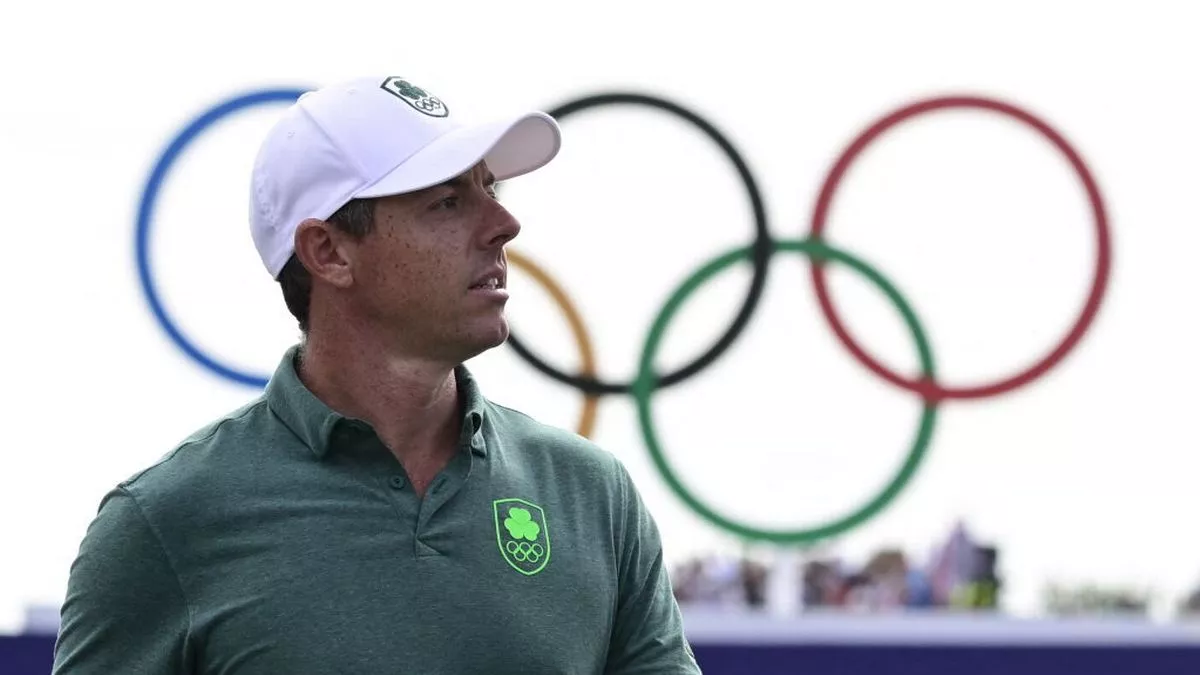
    Rory McIlroy is gearing up to represent Ireland once more at the upcoming Paris Olympics, marking his return to the prestigious event after making his debut in Tokyo in 2021. At 35 years old, McIlroy, who was born in Northern Ireland, is preparing for his second Olympic appearance, this time with hopes of securing a podium finish, a step up from his fourth-place finish alongside his teammate Shane Lowry in Tokyo.


    McIlroy’s decision to represent Ireland rather than Team GB—a choice available to him due to his Northern Irish heritage—has been a subject of considerable interest. He has openly discussed his reasoning behind this decision, which dates back to his amateur career. Before turning professional, McIlroy consistently competed under the Irish flag, and this long-standing association played a significant role in his choice to remain with Ireland for the Olympics.


    The flexibility allowed by an agreement between the Olympic Federation of Ireland and the British Olympic Association provides athletes with the option to select which team they wish to represent. This agreement acknowledges the complex identity and affiliations of athletes from regions with multiple national representations.


    In a recent interview with The Guardian, McIlroy elaborated on his decision, shedding light on his journey and the emotional factors involved. He confessed that his initial reluctance to fully embrace the Olympics stemmed from a sense of resentment and neutrality that he had cultivated throughout his career. The Olympics presented him with a decision point that challenged his previous approach to maintaining neutrality.


    McIlroy’s connection to Ireland runs deep, rooted in his early amateur days when he proudly represented the country. This historical allegiance was a crucial factor in his decision to continue representing Ireland as a professional golfer. He recounted that Tokyo felt like a nostalgic return to his amateur roots, reconnecting him with the federations and people from his early career. This sense of returning to familiar grounds and enjoying the Olympic experience solidified his commitment to Ireland.


    Reflecting on his decision-making process, McIlroy acknowledged that his internal conflict was initially more about public perception than personal conviction. He wrestled with concerns about how his choice might be viewed by others, but once he focused on what was right for him, the decision became clear. He emphasized that despite the choice offered by the Olympics, his identity as a golfer who has always represented Ireland made the decision straightforward. The Olympics, he noted, did not change his commitment; it merely offered an opportunity to reaffirm it.


    McIlroy’s excitement for the Paris Olympics is palpable, as he anticipates an even more enriching experience than Tokyo, with the prospect of engaging in various events beyond golf. He likened the anticipation to his initial thoughts about the Ryder Cup—comments he made before fully experiencing it, which eventually turned into a source of great enthusiasm.


    In conclusion, Rory McIlroy’s choice to represent Ireland at the Paris Olympics is a reflection of his longstanding connection to the country, rooted in his amateur career and personal pride. As he prepares for this significant event, his focus remains on the personal and professional fulfillment that comes with competing under the flag he has always known.

  • Rory McIlroy’s ‘salty’ Ryder Cup answer backfires on him at the Olympics

    Rory McIlroy’s ‘salty’ Ryder Cup answer backfires on him at the Olympics

    Rory McIlroy’s recent press conference at the Olympics has stirred up quite a buzz, thanks to some candid and somewhat pointed remarks that have drawn significant attention from the media and fans alike. According to Bob Harig of Sports Illustrated, McIlroy’s responses during the press event at Le Golf National, the site of the ongoing Olympic golf tournament, were notably brash and brimming with attitude. The Northern Irish golfer’s comments, particularly a sharp retort regarding the 2018 Ryder Cup, have backfired in an unexpected way.


    McIlroy, who is representing Ireland at the Olympics, was asked by a reporter about the current state of the rough at Le Golf National, specifically how it compares to the conditions during the 2018 Ryder Cup. During that event, Europe defeated the United States decisively with a score of 17.5 to 10.5. McIlroy’s reply was laced with a touch of sarcasm: “Ask the Americans, I wasn’t in it much that week,” he said, while suppressing a smile. The comment, meant to be humorous and self-deprecating, initially elicited laughter from the assembled journalists.


    However, Bob Harig quickly pointed out a flaw in McIlroy’s response via Twitter (now known as X). Harig noted that McIlroy’s quip fell flat because none of the American players participating in this week’s Olympic tournament—Scottie Scheffler, Xander Schauffele, Collin Morikawa, and Wyndham Clark—were part of the 2018 Ryder Cup team. As such, McIlroy’s suggestion to “ask the Americans” about the rough conditions was misplaced, as there are no Americans present at the Olympics who could offer insights into that particular event. Furthermore, McIlroy himself had a less-than-stellar performance in the 2018 Ryder Cup, securing only 2 points from a possible 5.


    In addition to his Ryder Cup remarks, McIlroy’s press conference featured another notable incident. When questioned about his round at St Andrews on Monday, McIlroy responded curtly, stating that the reason for his visit was “none of your business.” This terse answer reflects a level of frustration or discomfort with the line of questioning. During his time at St Andrews, McIlroy encountered a vociferous American heckler while playing the iconic 18th hole. He managed to silence the heckler with a well-timed retort, demonstrating his ability to handle provocative situations with a mix of sharp wit and composure.


    McIlroy also reignited the ongoing debate surrounding LIV Golf, a rival tour to the PGA Tour, by commenting on the absence of LIV players from the Olympic field. His words were interpreted as critical of the current state of Olympic golf and the qualification process, which he believes has led to a less competitive field. McIlroy has been a vocal critic of LIV Golf, and his comments seem to reflect his ongoing frustration with the sport’s divisions and the impact they have on events like the Olympics.


    In terms of his Olympic aspirations, McIlroy, who took a brief holiday in Portugal with his family following a disappointing missed cut at The 152nd Open at Royal Troon, expressed a mixture of enthusiasm and realism about his goals. While he acknowledges that winning an Olympic gold medal would be a significant achievement for him, he also recognizes that the Olympic Golf Tournament does not yet hold the same prestige as the traditional major championships—the Masters, the US PGA Championship, the US Open, and The Open Championship.


    McIlroy admitted to BBC Sport NI that the current qualification system for the Olympics does not ensure that all the top players in the world are competing, which somewhat diminishes the tournament’s stature. Despite this, he conveyed that winning a medal, particularly a gold one, would still be a deeply meaningful accomplishment for him. He emphasized that the Olympic tournament is important, though it is yet to reach the level of the major championships in terms of global significance and competition.


    In summary, Rory McIlroy’s press conference at the Olympics has been marked by a blend of candid remarks, pointed critiques, and a touch of controversy. His comments on the Ryder Cup and the state of Olympic golf reflect his candid and often outspoken nature, while his interactions with the media and public underscore his complex relationship with the sport’s evolving landscape.

  • Tiger Woods’ former caddie’s net worth speaks volumes about the golf star

    Tiger Woods’ former caddie’s net worth speaks volumes about the golf star

    Steve Williams, a renowned former caddie of golf legend Tiger Woods, is celebrated not only for his pivotal role in Woods’ extraordinary career but also for his impressive financial success. Williams, hailing from New Zealand, served as Woods’ trusted caddie for a notable twelve-year period from 1999 to 2011. During these years, he accumulated a substantial fortune, with reports estimating his net worth at £15.7 million (approximately $20 million). His wealth was significantly bolstered by his association with Woods, who is widely regarded as one of the greatest golfers of all time.


    Woods, who has made an indelible mark on the sport, holds the record for the most PGA Tour victories, with 82 titles to his name—nine more than the legendary Jack Nicklaus. Over his illustrious 28-year career, Woods has amassed a staggering £94.2 million (around $120 million), making him the highest-earning golfer in the history of the PGA Tour. His success on the greens and his remarkable earnings underscore the significant financial impact of his career.


    Williams’ professional journey, however, did not end with Woods. Following his tenure with the golf icon, Williams continued to make his mark in the sport by working with other notable golfers. His post-Woods career included stints with Adam Scott, a prominent golfer who first employed Williams from 2011 to 2017, and again in 2022 and 2023. Additionally, Williams briefly collaborated with Jason Day in 2019. Despite these new partnerships, the transition from Woods to other golfers marked a turning point in Williams’ career.


    The end of Williams’ long-standing association with Woods was marked by a dramatic and public fallout. The turning point came during the 2011 U.S. Open, a significant event in the golfing calendar. At that time, Woods was sidelined due to an injury, and Williams sought approval from Woods to caddie for Scott in his absence. Initially, Woods consented to this arrangement. However, after reconsidering, Woods reversed his decision, creating a difficult situation for Williams.


    Williams recounted the situation in a candid discussion with CBS, providing insight into the complexities of the decision-making process. He explained that, upon learning of Woods’ injury, Scott reached out to him, expecting his support at the U.S. Open. Williams initially received Woods’ approval to work with Scott, but as the tournament approached, Woods changed his mind. This reversal left Williams in a challenging position, as he had already committed to Scott and was unwilling to back out of his promise.


    “I wasn’t prepared to ring Adam up and say I can’t do it. I’m a man of my word,” Williams said. His commitment to keeping his word and his dedication to fulfilling his obligations were evident in his decision. He did not anticipate the severe repercussions of his actions. Unfortunately, after the U.S. Open, Woods informed Williams that their professional relationship had come to an end. The termination of their partnership was abrupt and straightforward, with Woods citing the incident as the reason for the split.


    Despite the end of his tenure with Woods, Williams’ career continued to evolve as he took on new roles within the golfing world. His experiences with Scott and Day demonstrated his enduring expertise and ability to adapt to new circumstances. Nevertheless, the end of his relationship with Woods remains a notable chapter in his professional life, marked by a significant and public dispute that highlighted the complexities and pressures inherent in the world of professional sports.

  • Rory McIlroy has disagreed with a suggestion previously made by Bryson DeChambeau on the eve of the Paris Olympic event.

    Rory McIlroy has disagreed with a suggestion previously made by Bryson DeChambeau on the eve of the Paris Olympic event.


    Rory McIlroy has publicly voiced his disagreement with Bryson DeChambeau’s proposal regarding the qualification process for the Olympic golf events, especially with the Paris Olympics fast approaching. This difference of opinion highlights the ongoing debates surrounding the integration of golf into the global sporting arena, particularly in light of recent changes and controversies within the sport.


    McIlroy, hailing from Northern Ireland, is determined to make amends for his near-miss in the 2021 Tokyo Olympics. At that event, McIlroy was left in a heartbreaking tie for fourth place, narrowly missing out on a medal. As he prepares for the Paris Olympics, McIlroy is focused on overcoming that disappointment and representing Ireland with renewed vigor. His current preparations have led him from St Andrews, where he was spotted earlier this week, to Le Golf National in Paris. There, McIlroy will team up with Shane Lowry, another top Irish golfer, in the quest for Olympic success.


    In contrast, Bryson DeChambeau will not be participating in the Paris Games. DeChambeau, who is the reigning 2024 US Open champion, failed to secure a spot on the USA Golf Team. This absence is significant, given the strength of the American contingent making its way to Paris, which includes a roster of elite players such as Wyndham Clark, Collin Morikawa, Scottie Scheffler, and Xander Schauffele. Each of these players is currently ranked higher than DeChambeau, leaving him on the sidelines and only able to watch the event unfold.


    DeChambeau had suggested before the LIV Golf UK event last week that a qualification event might be a viable method to determine participants for the 2028 Los Angeles Olympics. His proposal stems from his frustrations with the current system, which he believes does not adequately account for the evolving dynamics within the sport.


    However, McIlroy is firmly against this idea. In his pre-tournament press conference, McIlroy expressed his belief that the existing qualification process is sufficient. He highlighted the difficulty in comparing the level of golf played on different tours, suggesting that the current system, which does not award World Ranking points to events on the LIV Golf Tour, reflects this disparity. McIlroy pointed out that this lack of recognition is a significant factor in the debate over qualification and overall acceptance in the broader golfing world.


    McIlroy’s comments included a subtle critique of golfers who have transitioned to LIV Golf, the controversial league that has divided the sport. He emphasized that those who chose to move to LIV Golf were fully aware of the potential repercussions, including the impact on their Olympic and Ryder Cup eligibility. McIlroy underscored that qualifying for major tournaments and prestigious events like the Olympics requires adherence to established criteria, which were well known to the players when they made their decisions.


    The issue of World Golf Ranking (OWGR) points is a critical one, particularly as it impacts the inclusion of LIV Golf players in major tournaments and the Olympics. There is hope that this issue will be resolved by the time of the 2028 Games in Los Angeles, but for now, the divide within the sport remains evident. The absence of OWGR points for LIV Golf events has affected several high-profile players, not just in terms of Olympic participation but also in their ability to compete in major championships.


    For instance, Patrick Reed, another prominent golfer who joined LIV Golf, has seen his OWGR ranking suffer significantly. This decline has led to concerns about his future participation in the four major tournaments, with his ability to secure spots in these prestigious events now under serious threat.


    In summary, the debate over Olympic golf qualification reflects broader tensions within the sport, particularly regarding the impact of LIV Golf and the evolving criteria for participation in major events. As the golf community looks towards the future, the resolution of these issues will be crucial in shaping the landscape of competitive golf.