• “The Rise, Fall, and Unbelievable Return of Golf’s Shirtless Hero: 

    “The Rise, Fall, and Unbelievable Return of Golf’s Shirtless Hero: 

    “The Rise, Fall, and Unbelievable Return of Golf’s Shirtless Hero:

    As the world of professional golf turned its gaze toward the hallowed grounds of St. Andrews for the dramatic conclusion of the Alfred Dunhill Links Championship, a different kind of theater was unfolding across the Atlantic in Indiana. It wasn’t a showdown for a major title or the crowning of a new superstar, but for those grinding it out on the Korn Ferry Tour, the stakes were just as high, if not higher. Among the hopefuls battling for a coveted 2025 PGA Tour card, one name stood out—Harry Higgs, a fan favorite with a story unlike any other.


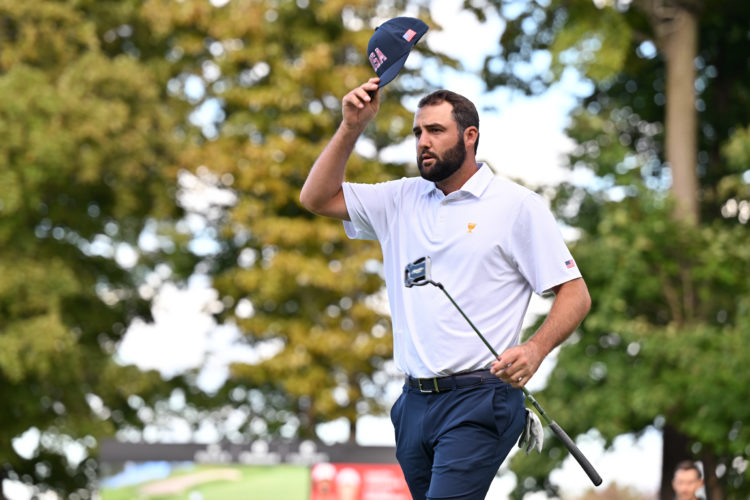
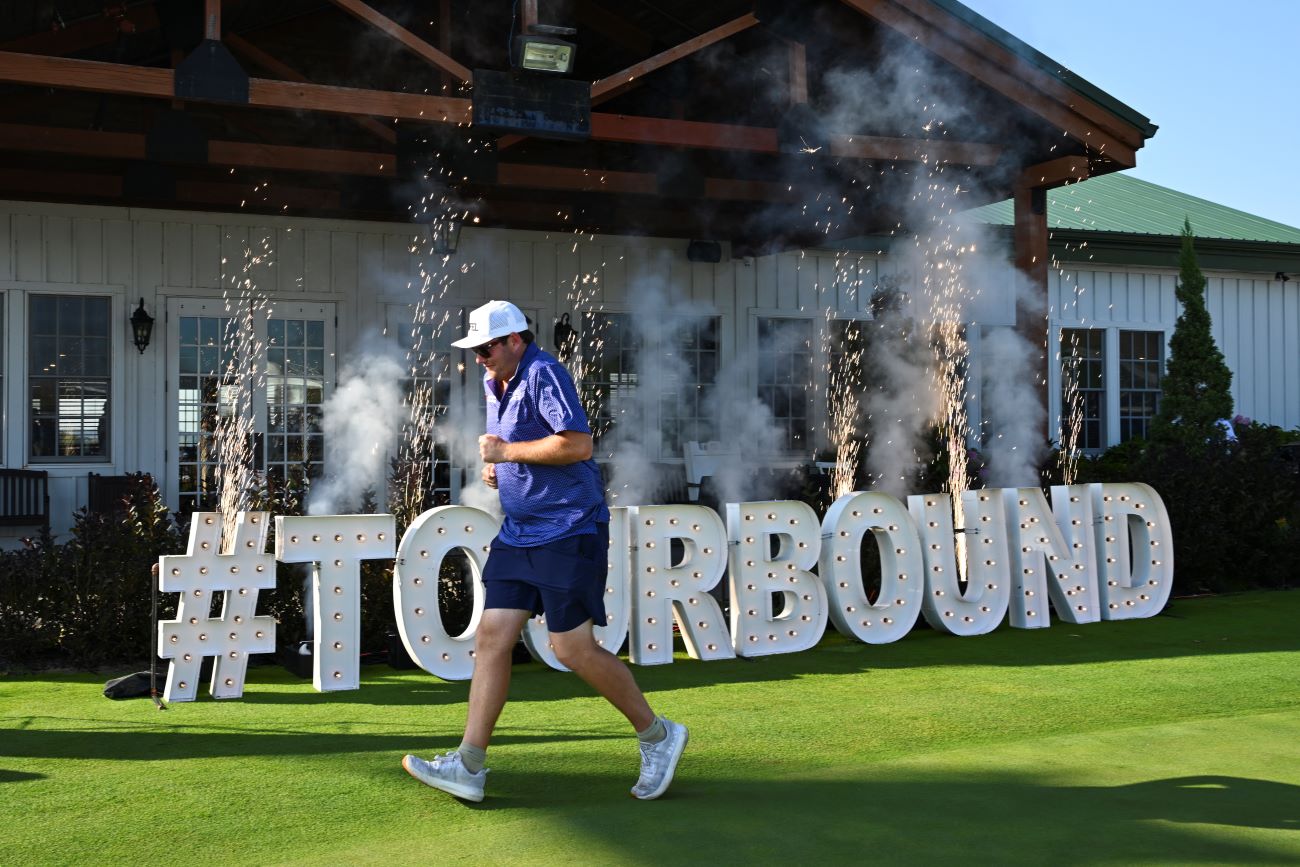
    Two years ago, Higgs captured the hearts of golf fans everywhere with an audacious celebration at the WM Phoenix Open, ripping his shirt off in front of a roaring crowd. It was a moment of pure joy and wild abandon that epitomized his larger-than-life personality, endearing him to many as the everyman golfer, the one you’d want to share a beer with after a round. But after a tough season in 2023, Higgs found himself on the outside looking in, having lost his PGA Tour card after failing to finish in the top 125 of the FedEx Cup standings.


    For many, this would have been the end of the story. The fall from grace was swift, and the road back seemed uncertain. But Higgs, known as much for his perseverance as his celebrations, wasn’t ready to fade into the background. His journey back to the big leagues would require grit, determination, and a few career-defining moments that no one saw coming.


    The stage for Higgs’ dramatic return was set at the Korn Ferry Tour Championship, held at the iconic Pete Dye-designed French Lick Resort in Indiana. With only 30 PGA Tour cards available, the pressure was immense. Among those vying for a spot were some of the brightest young talents in the game, each chasing the dream of stepping up to golf’s grandest stage. And while the focus of the golfing world might have been on Tyrrell Hatton’s attempt to win his third Alfred Dunhill Links Championship, it was the battle on this side of the Atlantic that would truly shake the sport.


    Higgs, 32, had already secured his place among the Korn Ferry Tour graduates, thanks to his standout victories earlier in the season at the AdventHealth Championship and the Visit Knoxville Open. His performance at French Lick, a T69 finish at +13 over four rounds, wasn’t one for the record books. In fact, his rounds in Indiana were lackluster, failing to break 74. But for Higgs, this particular tournament wasn’t about perfection—it was about the journey. His place among the top 30 was already assured, and his return to the PGA Tour was officially locked in.


    Still, in true Higgs fashion, he didn’t let the pressure of his mediocre tournament finish dampen his spirits. In a world where professional athletes are often laser-focused on winning at all costs, Higgs’ unorthodox approach—whether it’s celebrating with champagne after a less-than-stellar performance or electrifying crowds with shirtless antics—sets him apart. It’s this authenticity and refusal to conform that has made him a cult hero in the sport, and now, after clawing his way back from the brink, he’s once again earned his place among golf’s elite.


    As the 2025 season looms, Harry Higgs isn’t just another name on the PGA Tour roster. He’s a symbol of resilience, of the highs and lows that define an athlete’s career. And for the fans who’ve followed his rollercoaster ride, his return promises to bring more excitement, unpredictability, and of course, moments that only Higgs can deliver.


    Alongside Higgs, a new generation of players has punched their ticket to the PGA Tour. From Matt McCarty to Braden Thornberry, these Korn Ferry Tour graduates are ready to make their mark. But for all the young talent, it’s the return of a familiar face, with a larger-than-life personality, that has fans buzzing the most.


    The comeback of Harry Higgs is not just a story of one golfer reclaiming his spot in the sun. It’s a reminder that in a sport often marked by decorum and quiet precision, there’s still room for characters who break the mold, for athletes who bring passion, personality, and a little chaos to the game.


    2025 Korn Ferry Tour Graduates

    Here are the 30 players, including Higgs, who have secured their PGA Tour cards for 2025:


    1. Matt McCarty


    2. Max McGreevy


    3. Frankie Capan III


    4. Steven Fisk


    5. Tim Widing


    6. Taylor Dickson


    7. Brian Campbell


    8. Harry Higgs


    9. Thomas Rosenmueller


    10. William Mouw


    11. Quade Cummins


    12. Ryan Gerard


    13. Kevin Roy


    14. Cristobal Del Solar


    15. Kevin Velo


    16. Braden Thornberry


    17. Paul Peterson


    18. Isaiah Salinda


    19. Karl Vilips


    20. Jackson Suber


    21. Jeremy Paul


    22. Mason Andersen


    23. John Pak


    24. Kris Ventura


    25. Kaito Onishi


    26. Ricky Castillo


    27. Trevor Cone


    28. Danny Walker


    29. Aldrich Potgieter


    30. Noah Goodwin


    For Harry Higgs, the journey back to the PGA Tour wasn’t just about regaining his playing rights—it was about proving to himself and the world that he belongs on golf’s grandest stage. Now, with his second chance in hand, the question remains: what will he do next?
     

  • With Charlie Woods’s Future Uncertain, 13YO Rival Steals the Show Yet Again Ahead of Potential Face-Off

    The Unforeseen Twist in Charlie Woods’ Journey: Is the Rising 13-Year-Old Prodigy About to Overshadow Tiger’s Heir?

    The world has kept a close eye on Charlie Woods, the teenage sensation poised to follow in his legendary father Tiger Woods’ footsteps. As each tournament passes, whispers grow louder, wondering if Charlie can live up to the astronomical expectations placed upon him. The media spotlight burns brighter, but a surprising new challenge has emerged: a 13-year-old prodigy who has already begun to dominate junior golf tournaments with jaw-dropping performances.


    It seems like yesterday that Charlie’s name alone was enough to send shockwaves through the junior golf world. His swing is reminiscent of his father’s iconic form, his composure on the green a clear indication that greatness runs in his veins. However, in a sport as competitive as golf, talent alone doesn’t guarantee supremacy. The rise of this 13-year-old competitor, whose name is rapidly gaining recognition, may very well alter the course of Charlie Woods’ ascension—and perhaps, history itself.


    The anticipation of a showdown between these two young stars has golf fans buzzing, but the drama surrounding this rivalry is what makes it all the more intriguing. Charlie’s future, once thought to be on a steady trajectory to stardom, now faces a daunting roadblock. The intensity of competition, combined with the pressure of living in his father’s enormous shadow, has many wondering if Woods can withstand the storm. Will Charlie embrace the challenge and rise to the occasion? Or could this new talent eclipse the heir to Tiger’s throne before the much-anticipated clash even takes place?


    Reports from recent tournaments show that Charlie’s rival is more than just a temporary sensation. His winning streak, marked by consistent top finishes, is sending shockwaves through junior circuits. His composure, coupled with an aggressive playing style, is drawing comparisons to some of the sport’s all-time greats—and the question on everyone’s mind is simple: Can Charlie keep pace?


    The Woods legacy carries both a blessing and a burden. While Tiger’s name opens doors, it also carries sky-high expectations. Every swing Charlie takes is analyzed, every putt scrutinized. This new wave of pressure could either mold Charlie into a future champion or force him to reckon with unforeseen challenges. The narrative has suddenly shifted, with many asking if Charlie is at risk of being overtaken in a race he was once expected to dominate.


    Behind the scenes, coaches and insiders have been whispering about the brewing rivalry between these two teenage stars. While Charlie has the undeniable support of his legendary father and a coaching team crafted for success, his competitor’s natural talent and fearless mentality are not to be underestimated. As the gap between the two narrows, the potential for an epic face-off grows, leaving fans on the edge of their seats.


    There’s no question that the future of golf could be shaped by this looming rivalry. But who will seize the moment? Will Charlie emerge from the pressure cooker stronger, or will the rising star who’s been quietly stealing the spotlight cement himself as the new name to watch? The next chapter in this story promises to deliver answers—but not before stirring up more questions about the future of both young prodigies.


    The journey of Charlie Woods, once seemingly destined for a smooth ride to stardom, now faces a serious plot twist. As the golf world waits in suspense for what’s to come, one thing is certain: the next few tournaments could define a rivalry that might change the landscape of the sport foryears to come.


  • Nowy trener Igi Świątek: Kogo liderka rankingu wybierze na „kolejny krok”?

    Nowy trener Igi Świątek: Kogo liderka rankingu wybierze na „kolejny krok”?

    Kolejny Ruch Igi Świątek: Kluczowa Zmiana Trenerska, Która Może Zdefiniować Jej Dominację w Przyszłości


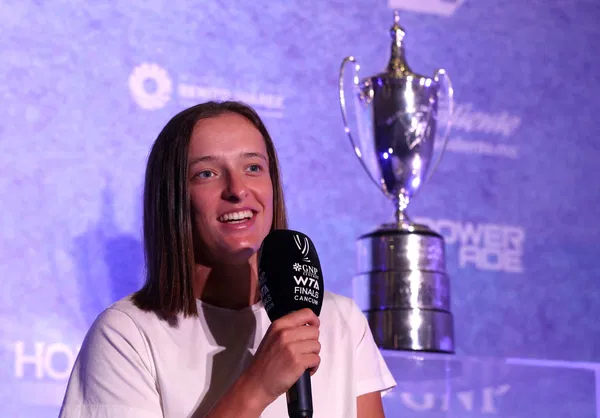
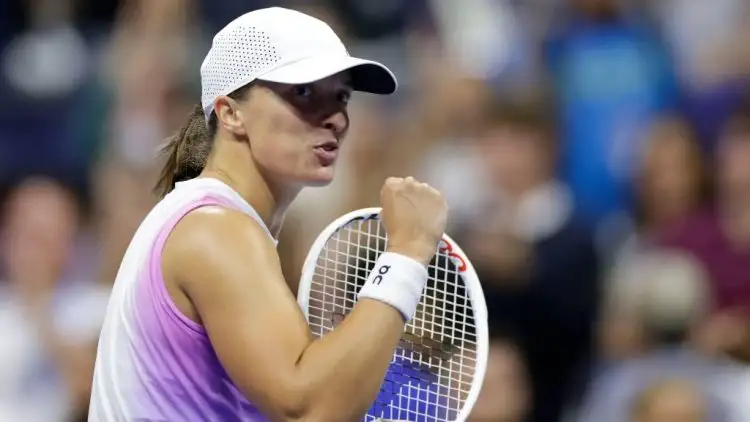
    Świat tenisa został dzisiaj zaskoczony niespodziewaną wiadomością – liderka światowego rankingu Iga Świątek ogłosiła, że rozstaje się ze swoim długoletnim trenerem Tomaszem Wiktorowskim. Po trzech latach owocnej współpracy, w trakcie której Świątek zdobyła cztery tytuły wielkoszlemowe i utrzymywała się na szczycie przez ponad 120 tygodni, polska gwiazda tenisa zdecydowała, że czas na nową perspektywę. Choć to ogłoszenie było zaskoczeniem dla wielu, niektórzy spodziewali się tego kroku, szczególnie po tym, jak wyniki Świątek w tym roku odbiegały od jej zwyczajowej dominacji, zwłaszcza poza kortami ziemnymi w Paryżu.


    Choć spekulacje na temat kolejnego kroku Świątek narastały, mało kto przewidział tak znaczącą zmianę w jej zespole. Teraz wszyscy zadają sobie pytanie: kto poprowadzi Świątek przez ten krytyczny etap jej kariery? 23-latka jasno zakomunikowała w swoim oświadczeniu, że jest gotowa poszerzyć horyzonty, dając do zrozumienia, że jej nowy trener nie będzie pochodził z Polski.


    „Jestem w trakcie pierwszych rozmów z trenerami z zagranicy (nie z Polski), ponieważ jestem gotowa na kolejny krok w swojej karierze. Poinformuję, gdy podejmę decyzję” – zadeklarowała Świątek.


    To może być kluczowy moment w karierze Świątek, która poszukuje trenera zdolnego pomóc jej odnieść sukces poza Roland Garros i umocnić jej pozycję jako wszechstronnej dominatorki na wszystkich nawierzchniach. Przeanalizujmy niektórych potencjalnych kandydatów na nowego mentora Świątek oraz to, jak każdy z nich może wpłynąć na jej przyszłe osiągnięcia.


    Wim Fissette: Mistrz Wielkoszlemowej Chwały


    Jednym z pierwszych nazwisk, które wysuwa się na prowadzenie, jest Wim Fissette. Znany z prowadzenia topowych zawodniczek do wielkoszlemowych triumfów, Fissette ma imponujące CV, które może sprawić, że będzie idealnym kandydatem do poprowadzenia kolejnego etapu kariery Świątek. Najnowszym sukcesem Fissette’a jest praca z Naomi Osaką, z którą wywalczył zwycięstwa w US Open 2020 i Australian Open 2021. To jednak tylko wierzchołek góry lodowej jego doświadczeń.


    Fissette prowadził także Kim Clijsters podczas jej trzech wielkoszlemowych triumfów, a także odegrał kluczową rolę w odrodzeniu Angelique Kerber, co zaowocowało jej zwycięstwem na Wimbledonie w 2018 roku. Ponadto współpracował z innymi czołowymi zawodniczkami, takimi jak Simona Halep i Victoria Azarenka, co daje mu nieocenioną wiedzę o tym, jak odnosić sukcesy na największych scenach.


    Jeśli Świątek szuka trenera z udokumentowanymi sukcesami na turniejach Wielkiego Szlema, Fissette może być najlepszym wyborem. Jego zdolność do podnoszenia poziomu zawodniczek w sytuacjach presji może być brakującym elementem, który pozwoli Świątek przejść z roli specjalistki od kortów ziemnych do dominującej siły na wszystkich nawierzchniach.


    Torben Beltz: Spokojna Siła za Sukcesami Kerber


    Innym nazwiskiem, które ponownie pojawia się na horyzoncie, jest Torben Beltz – trener z imponującym, choć nieco niedocenianym dorobkiem. Beltz jest najbardziej znany z długoletniej współpracy z Angelique Kerber, której pomógł osiągnąć szczyt kobiecego tenisa, zdobywając tytuły Australian Open i US Open w 2016 roku oraz osiągając pozycję numer 1 na świecie.


    Praca Beltza nie ogranicza się jednak tylko do Kerber. Miał on również udane współprace z Donną Vekić, a także krótko prowadził wschodzące gwiazdy, takie jak Emma Raducanu i Anett Kontaveit. Choć w ostatnich latach Beltz był mniej aktywny, jego doświadczenie w pracy z czołowymi zawodniczkami WTA sprawia, że jest atrakcyjnym kandydatem dla Świątek.


    Czy Beltz będzie siłą, która pomoże Świątek przejść z roli utalentowanej zawodniczki do nieustępliwej konkurentki, zdolnej do dominacji na wszystkich nawierzchniach? Jego zdolność do budowania długoterminowych sukcesów z podopiecznymi sugeruje, że może zaoferować stabilność i wgląd, których Świątek szuka w swoim nowym trenerze.


    Craig Tyzzer: Mózg Stojący za Wszechstronną Grą Barty


    Jedną z intrygujących opcji jest Craig Tyzzer – trener, który poprowadził Ashleigh Barty na szczyt tenisowego świata, zdobywając z nią trzy tytuły wielkoszlemowe, w tym Australian Open w 2022 roku. Tyzzer potrafił stworzyć wszechstronną grę Barty, zupełnie inną od stylu Świątek, co świadczy o jego wszechstronności i głębokim zrozumieniu strategii tenisowej.


    Tyzzer pomógł Barty stać się groźną zawodniczką na każdej nawierzchni, w tym na trawie i twardych kortach, co mogłoby uczynić go cennym wsparciem dla Świątek. Pytanie jednak brzmi: czy Tyzzer chciałby wrócić do wyczerpującego życia na WTA Tour po odejściu Barty na emeryturę i przerwie w pracy trenerskiej?


    Jeśli zdecyduje się na powrót, Tyzzer może być trenerem, który pomoże Świątek rozwijać bardziej wszechstronną grę, czyniąc ją groźną na każdym turnieju wielkoszlemowym, niezależnie od nawierzchni.


    Craig Boynton: Guru ATP z Polskimi Powiązaniami


    Chociaż Craig Boynton jest głównie znany z pracy z zawodnikami ATP, jego doświadczenie oraz związki z polskim tenisem poprzez trenowanie Huberta Hurkacza mogą uczynić go interesującą opcją dla Świątek. Boynton prowadził Hurkacza przez pięć lat, doprowadzając go do najwyższego w karierze 6. miejsca w rankingu, dwóch tytułów Masters 1000 i półfinału Wimbledonu.


    Z historią współpracy z gwiazdami takimi jak Jim Courier, John Isner i Mardy Fish, Boynton udowodnił, że potrafi podnieść poziom zawodników na męskim tourze. Choć jego doświadczenie w WTA jest ograniczone, jego relacje z Hurkaczem i znajomość polskiej kultury tenisowej mogą dać mu unikalną przewagę w pracy z Świątek.


    Umiejętność Boyntona do pomagania Hurkaczowi w odniesieniu sukcesów na kortach twardych może być szczególnie korzystna dla Świątek, która chce poszerzyć swoją dominację poza kortami ziemnymi. Jednak przejście z ATP do WTA może stanowić wyzwanie, a to, czy Boynton jest odpowiednim wyborem, pozostaje kwestią otwartą.


    Co Dalej: Decyzja, Która Może Zdefiniować Dziedzictwo Świątek


    Decyzja, którą podejmie Świątek w najbliższym czasie, może zadecydować o tym, czy utrwali swoją pozycję jako jednej z największych zawodniczek swojego pokolenia, czy jej kariera zacznie zwalniać. Każdy z wymienionych trenerów wnosi bogate doświadczenie i unikalne umiejętności, ale pytanie brzmi: kto pomoże Świątek zrobić kolejny krok?


    Presja, aby udowodnić, że może dominować na wszystkich nawierzchniach i konsekwentnie rywalizować na najwyższym poziomie, rośnie. Nadchodząca decyzja może albo wynieść ją na jeszcze większe wyżyny, albo postawić przed nią wyzwania, których wcześniej nie doświadczyła. Jedno jest pewne: oczy całego tenisowego świata


  • Iga Świątek była “jednowymiarowa” na Wimbledonie i US Open, twierdzi były numer 7 świata

    Iga Świątek była “jednowymiarowa” na Wimbledonie i US Open, twierdzi były numer 7 świata

    Iga Świątek, obecna numer 1 w kobiecym tenisie, podjęła ostatnio odważną decyzję, która wywołała spekulacje w całym tenisowym świecie. Polska gwiazda, która zdominowała korty ziemne w ostatnich latach, ogłosiła w tym tygodniu zakończenie swojej udanej trzyletniej współpracy z trenerem Tomaszem Wiktorowskim. Choć to może być zaskoczenie, biorąc pod uwagę ich liczne triumfy, istnieją głębsze powody stojące za decyzją Świątek o rozstaniu z trenerem, który odegrał kluczową rolę w jej meteorycznym awansie na szczyt.


    Pod okiem Wiktorowskiego kariera Świątek rozkwitła. Zdobyła trzy tytuły French Open oraz łącznie 16 tytułów singlowych na WTA Tour, a co może być najbardziej imponujące, panowała jako numer 1 na świecie przez imponujące 123 tygodnie. Takie osiągnięcia ugruntowały jej pozycję jako jednej z najbardziej znaczących zawodniczek w historii. Mimo tych triumfów, można odnieść wrażenie, że gra Świątek zatrzymała się w pewnych obszarach, szczególnie poza jej ulubioną nawierzchnią ziemną.


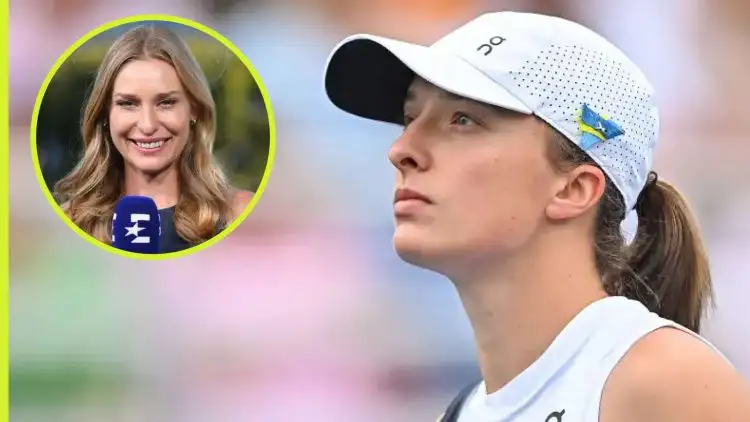
    Tę opinię podziela analityk tenisa i była zawodniczka Barbara Schett, która otwarcie wyraża swoje obawy dotyczące ostatnich występów Świątek. W szczerej ocenie Schett zasugerowała, że młoda gwiazda „potrzebuje nowej pary oczu”, aby podnieść swoją grę na wyższy poziom. Według analityka Eurosportu, rozwój Świątek się zatrzymał, szczególnie na kortach trawiastych i twardych, na których jej wyniki nie dorównują dominacji na mączce. Schett uważa, że jeśli Świątek chce ewoluować poza status specjalistki od kortów ziemnych, musi przyjąć nowe strategie i świeże podejście.


    „Iga Świątek może być numerem 1 na świecie, ale wciąż chce rozwijać swoją grę poza kortami ziemnymi,” zauważyła Schett. „Nie oszukujmy się, to naprawdę nie wydarzyło się w ostatnich roku czy dwóch.” Jej krytyka zwraca uwagę na kluczowy problem, który dostrzegło wielu w społeczności tenisowej: gra Świątek stała się nieco przewidywalna na nawierzchniach innych niż ziemne. Choć na twardych kortach pokazała przebłyski genialności, wygrywając tytuły na Qatar Open i Indian Wells Open na początku tego roku, jej ogólna forma, zwłaszcza na turniejach Wielkiego Szlema poza French Open, była niespójna. Jej odpadnięcie w trzeciej rundzie Wimbledonu i porażka w ćwierćfinale US Open wywołały pytania o jej zdolność do adaptacji na szybszych nawierzchniach.


    Decyzja o rozstaniu z Wiktorowskim przyszła po tych niepowodzeniach, a Świątek nie traciła czasu na wyjaśnienie potrzeby zmiany. W swoim ogłoszeniu 23-letnia gwiazda ujawniła, że aktywnie poszukuje nowego trenera, który będzie w stanie zaoferować świeże spojrzenie i pomóc jej opanować wszystkie nawierzchnie. Co istotne, wspomniała, że prowadzi rozmowy z trenerami z zagranicy, co stanowi znaczące odejście od jej dotychczasowej zależności od polskiego sztabu szkoleniowego. „Jestem w trakcie pierwszych rozmów z trenerami z zagranicy (nie z Polski), ponieważ jestem gotowa zrobić kolejny krok w mojej karierze,” powiedziała Świątek. „Dam znać, kiedy podejmę decyzję.”


    Analiza Schett wskazuje na wyniki Świątek w tym roku na kortach trawiastych i twardych jako wyraźny znak, że potrzebne jest inne podejście. Wyraziła rozczarowanie sposobem, w jaki Świątek zagrała zarówno na Wimbledonie, jak i US Open, zauważając, że jej styl gry był „jednowymiarowy” i nie zostawiał miejsca na taktyczne korekty. „Próbowała, ale nie szukała rozwiązań,” wyjaśniła Schett, sugerując, że choć agresywny styl Świątek może przytłaczać rywalki na mączce, nie przekłada się on na inne nawierzchnie.


    Rzeczywiście, wyniki Świątek na kortach trawiastych i twardych w tym sezonie były mieszane. Choć kontynuowała dominację na mączce, wygrywając tytuły na Madrid Open, Italian Open i French Open, jej problemy na innych nawierzchniach stały się bardziej widoczne. Przegrana w trzeciej rundzie Wimbledonu stanowiła wyraźny kontrast do jej sukcesów na mączce, a choć dotarła do ćwierćfinału US Open, nie spełniła oczekiwań, nie odnajdując formy, która wyniosła ją na szczyt tenisa.


    Mimo tych niepowodzeń, duch rywalizacji Świątek pozostaje niezłomny. Po półfinałowej porażce na US Open wzięła przerwę, wycofując się z turniejów WTA 1000 w Chinach, w tym Wuhan Open. Ten odpoczynek od rywalizacji pozwolił jej na przemyślenie gry i skoncentrowanie się na kolejnym etapie kariery. Szukając nowego trenera, Świątek sygnalizuje swoją gotowość do rozwinięcia gry i przekroczenia granic swoich możliwości.


    Decyzja o zatrudnieniu zagranicznego trenera to nie tylko praktyczny wybór, ale także symboliczny. Wskazuje na gotowość Świątek do przyjęcia nowych pomysłów i stawiania sobie wyzwań w sposób, jakiego wcześniej nie doświadczyła. Schett uważa, że ta zmiana będzie kluczowa dla dalszego rozwoju Świątek, stwierdzając: „Zdecydowanie może jeszcze rozwinąć swoją grę i nauczyć się, kiedy się wycofać, a kiedy atakować.” Kluczem dla Świątek, według Schett, jest znalezienie równowagi między naturalnym agresywnym stylem a bardziej subtelnym, taktycznym podejściem, które sprawdzi się na wszystkich nawierzchniach.


    W momencie, gdy Świątek rozpoczyna nowy rozdział w swojej karierze, tenisowy świat obserwuje to z wielkim zainteresowaniem. Czy ta zmiana trenera okaże się katalizatorem, który wyniesie ją na jeszcze wyższy poziom? A może okaże się ryzykiem, które zakłóci jej dotychczasowe tempo? Czas pokaże. Jednak jedno jest pewne: Iga Świątek nie zadowala się byciem tylko specjalistką od mączki. Jest zdeterminowana, aby stać się bardziej wszechstronną zawodniczką, zdolną do podboju każdej nawierzchni, a jej kolejne ruchy mogą ukształtować przyszłość kobiecego tenisa.


    Na razie fani i analitycy z niecierpliwością oczekują powrotu Świątek na kort z nowym trenerem u jej boku, gotowi zobaczyć, jak ten najnowszy zwrot w jej karierze się rozwinie.


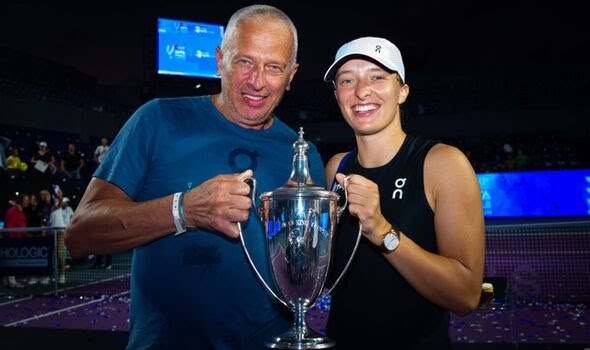
  • Ojciec Igi Świątek wyjaśnia, dlaczego rozstał się z córką i odmówił dołączenia do “komitetu szalonych rodziców”.

    Ojciec Igi Świątek wyjaśnia, dlaczego rozstał się z córką i odmówił dołączenia do “komitetu szalonych rodziców”.

    Ojciec Igi Świątek wyjaśnia, dlaczego rozstał się z córką i odmówił dołączenia do “komitetu szalonych rodziców”

    Ojciec Igi Świątek, Tomasz Świątek, w jednym z ostatnich wywiadów zdecydował się opowiedzieć o kulisach swojej decyzji o wycofaniu się z bezpośredniego zarządzania karierą córki. Mimo że Iga odniosła ogromny sukces na międzynarodowej scenie tenisowej, zdobywając tytuły wielkoszlemowe i osiągając pierwsze miejsce w rankingu WTA, Tomasz postanowił nie angażować się tak mocno, jak wielu innych rodziców sportowców.

    “Komitet szalonych rodziców”

    Tomasz Świątek wyjaśnił, że w świecie zawodowego sportu, a zwłaszcza tenisa, można zauważyć zjawisko nadmiernego zaangażowania rodziców, które nie zawsze ma pozytywny wpływ na rozwój sportowy dziecka. Wielu rodziców decyduje się na pełną kontrolę nad karierą swojego dziecka, często wchodząc w konflikty z trenerami, menedżerami i innymi specjalistami. Tomasz nazwał to zjawisko “komitetem szalonych rodziców”, odnosząc się do tych, którzy podejmują skrajne decyzje i mają zbyt duży wpływ na karierę swojego dziecka.

    “Nie chciałem stać się jednym z tych rodziców, którzy angażują się we wszystko i próbują kontrolować każdy krok swojego dziecka” – mówi Tomasz Świątek. “Widziałem, jak inni rodzice nie potrafią oddać odpowiedzialności specjalistom, a to często prowadziło do niepotrzebnych napięć.”

    Rozstanie w duchu współpracy

    Tomasz podkreślił, że jego decyzja o wycofaniu się z codziennego zarządzania karierą Igi była podyktowana troską o jej dobro oraz potrzebą zapewnienia jej najlepszych możliwych warunków do rozwoju. “Iga miała świetnych trenerów i sztab specjalistów, którym w pełni ufałem. Uważam, że moje miejsce nie było w centrum tych decyzji, a raczej w roli wspierającego rodzica” – tłumaczy.

    Rozstanie Tomasza z pełną kontrolą nad karierą córki nie oznaczało jednak zerwania więzi ani braku wsparcia. Ojciec Igi zawsze był jej największym kibicem, zarówno na kortach, jak i poza nimi. “Zawsze będę jej towarzyszył, kiedy tylko tego potrzebuje, ale to ona i jej zespół podejmują decyzje dotyczące jej kariery” – dodaje.

    Zaufanie do profesjonalistów

    Tomasz Świątek przyznał, że decyzja o oddaniu kontroli w ręce profesjonalistów nie była łatwa, ale nie żałuje tego kroku. “Wiedziałem, że Iga potrzebuje ludzi, którzy znają się na swojej pracy, a ja mogłem tylko wspierać ją z boku. To była najlepsza decyzja dla jej rozwoju” – mówi.

    Ojciec Igi podkreślił, że kluczowym elementem sukcesu było zaufanie do specjalistów. “Zawsze wiedziałem, że to profesjonalny zespół, nie rodzic, powinien kierować karierą sportowca na najwyższym poziomie. Moja rola to wsparcie i motywacja, nie zarządzanie.”

    Droga Igi do sukcesu

    Decyzja Tomasza Świątka okazała się trafna, co pokazują sukcesy Igi na arenie międzynarodowej. Jej triumfy na kortach Wimbledonu, Roland Garros oraz innych turniejach potwierdzają, że współpraca z doświadczonym sztabem przynosi wymierne efekty. Tomasz Świątek nie ma wątpliwości, że przed jego córką jeszcze wiele sukcesów, a on sam pozostanie jej wiernym kibicem.

    “Jestem z niej niesamowicie dumny. To, co osiągnęła, jest wynikiem jej ciężkiej pracy, talentu i wsparcia całego zespołu. Moim zadaniem jest tylko być przy niej i wspierać ją, kiedy tego potrzebuje” – podsumował Tomasz Świątek.

    Tomasz Świątek swoim podejściem udowadnia, że można być zaangażowanym rodzicem sportowca, jednocześnie nie wchodząc w rolę nadopiekuńczego “managera”, który próbuje kontrolować każdy aspekt kariery dziecka.


  • Plotka tenisowa: Polski autor ujawnia, jak rozwód rodziców Igi Świątek pogłębił napięte relacje z jej matką.

    Plotka tenisowa: Polski autor ujawnia, jak rozwód rodziców Igi Świątek pogłębił napięte relacje z jej matką.

    Plotka tenisowa: Polski autor ujawnia, jak rozwód rodziców Igi Świątek pogłębił napięte relacje z jej matką

    W ostatnim czasie pojawiły się kontrowersyjne doniesienia na temat życia prywatnego jednej z najbardziej utalentowanych tenisistek świata, Igi Świątek. Polski autor, którego nazwisko pozostaje nieznane, rzekomo ujawnił szczegóły dotyczące trudnych relacji między Igą a jej matką, sugerując, że rozwód rodziców zawodniczki miał kluczowy wpływ na ich napiętą więź.

    Tło wydarzeń

    Iga Świątek, młoda gwiazda tenisa, od kilku lat dominuje na światowych kortach. Jej sukcesy sportowe są imponujące, a media skupiają się głównie na jej osiągnięciach na korcie. Jednak, jak się okazuje, życie prywatne zawodniczki może nie być tak idealne, jak mogłoby się wydawać. Źródła twierdzą, że rozwód jej rodziców miał istotny wpływ na dynamikę rodzinnych relacji, zwłaszcza w kontekście więzi między Igą a jej matką.

    Relacje rodzinne

    Zgodnie z rewelacjami polskiego autora, rozwód rodziców Igi miał miejsce, gdy tenisistka była jeszcze młoda. Wydarzenie to miało rzekomo pozostawić głęboki ślad na jej psychice oraz na relacjach rodzinnych. Matka Igi, Dorota, i ojciec Tomasz Świątek, który jest również jej trenerem, przeszli przez trudny okres, co miało wpływ na młodą Igę. Spekuluje się, że to właśnie ojciec odegrał kluczową rolę w wychowaniu córki i kształtowaniu jej kariery sportowej, co mogło przyczynić się do oddalenia jej od matki.

    Plotki sugerują, że Iga i jej matka mają chłodne relacje, a rozwód rodziców tylko je pogłębił. Autor twierdzi, że Dorota Świątek nie miała takiego wpływu na karierę córki jak jej ojciec, co mogło prowadzić do napięć.

    Wpływ na karierę

    Pomimo tych spekulacji, Iga Świątek nie odniosła się publicznie do tych informacji. Wiadomo jednak, że od młodego wieku poświęcała się tenisowi, co mogło wpłynąć na jej relacje rodzinne. Zawodniczka znana jest z determinacji i skupienia na swojej karierze, a wsparcie ojca odegrało znaczącą rolę w jej sukcesach. Być może właśnie to skupienie na sporcie, połączone z rodzinnymi trudnościami, przyczyniło się do wycofania się Igi z bardziej emocjonalnych relacji z matką.

    Przyszłość relacji

    Nie wiadomo, jakie są obecne relacje między Igą Świątek a jej matką. Plotki krążące w mediach mogą nie odzwierciedlać rzeczywistości, a sama tenisistka unika dyskusji na temat swojego życia prywatnego. Mimo wszystko, fani z pewnością będą śledzić dalsze doniesienia na ten temat, zwłaszcza jeśli te spekulacje okażą się prawdziwe.

    Podsumowując, choć kariera Igi Świątek jest na szczycie, życie prywatne pozostaje w cieniu. Jeśli doniesienia o napiętych relacjach z matką są prawdziwe, to może to być kolejny dowód na to, że nawet największe gwiazdy sportu zmagają się z osobistymi wyzwaniami, które wpływają na ich życie poza kortem.


  • The Surprising Truth Behind Collin Morikawa’s Comments on Scottie Scheffler: A Glimpse Into Their Rivalry

    The Surprising Truth Behind Collin Morikawa’s Comments on Scottie Scheffler: A Glimpse Into Their Rivalry

    The Surprising Truth Behind Collin Morikawa’s Comments on Scottie Scheffler: A Glimpse Into Their Rivalry


    As the world of golf watches Scottie Scheffler’s meteoric rise in 2024, few have been more attentive to his performance than fellow American and golf star Collin Morikawa. Despite their individual successes, Morikawa’s recent remarks about Scheffler reveal a dynamic between the two that goes far deeper than simple competition. While both golfers have captured two major titles each, Morikawa’s reflections on Scheffler’s dominance suggest a level of admiration and respect that speaks volumes about their relationship, even as they frequently find themselves in direct competition for some of the sport’s most prestigious honors.


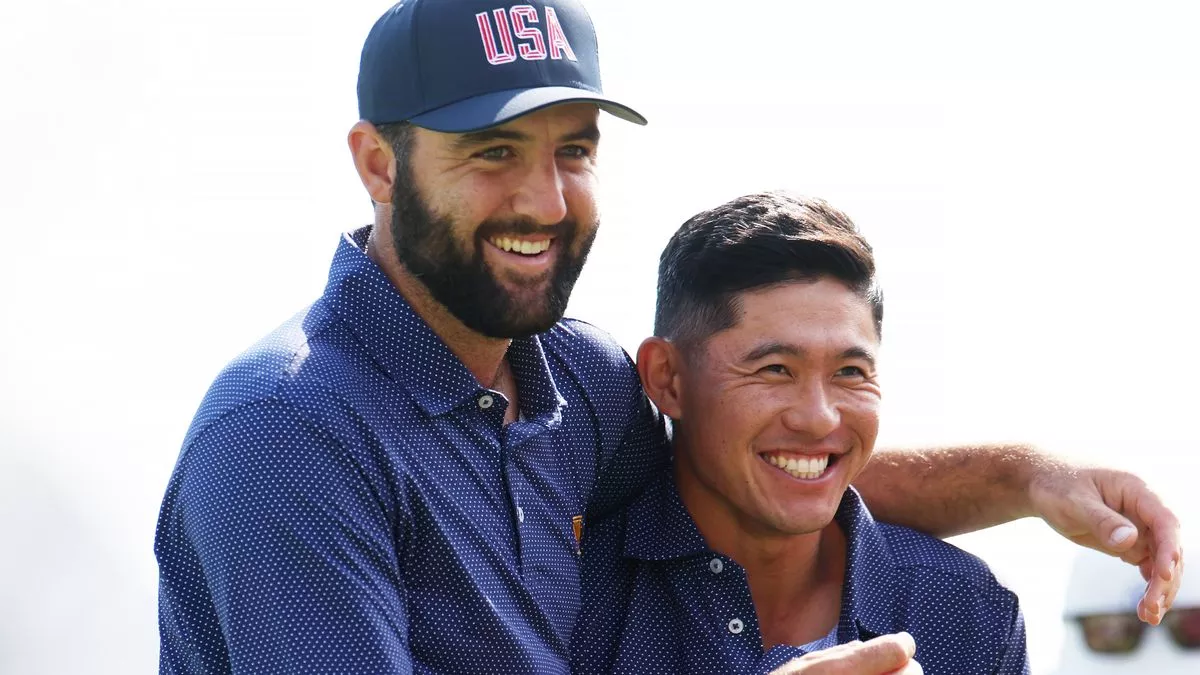
    While both Morikawa and Scheffler stand as two of the most decorated golfers of their generation, there’s an undeniable undercurrent in the way Morikawa talks about his peer—one that reveals an appreciation for Scheffler’s game that transcends mere rivalry. Though they’ve shared numerous high-stakes moments on the course, including a shared victory at the Presidents Cup, Morikawa’s recent comments suggest that he holds Scheffler in particularly high regard, acknowledging skills that set the current world number one apart from the rest of the pack.


    In a sport where ego and individual accolades often dominate the conversation, Morikawa’s praise is refreshingly candid. Appearing on Grant Horvat Golf, the 27-year-old wasted no time in highlighting the aspects of Scheffler’s game that have left a lasting impression on him, both as a competitor and a fellow professional. “Scottie’s been playing amazing,” Morikawa gushed, offering unfiltered admiration for his rival. “It’s amazing to see and motivates me because he hits the ball so frigging good.” It’s clear from Morikawa’s tone that Scheffler’s success has had a profound impact on his own approach to the game—both as a source of inspiration and as a reminder of the high bar set by the current world leader.


    But what stands out most about Morikawa’s commentary isn’t just his acknowledgment of Scheffler’s prowess; it’s the qualities he chose to highlight. Rather than focus solely on Scheffler’s technical skills, Morikawa emphasized the intangible aspects of his game—particularly his mental toughness and composure under pressure. “Even when he makes a mistake, it doesn’t freak him out,” Morikawa noted. “He comes up [for] the next shot, and it’s just perfect.” In a sport where the mental game can be just as critical as physical ability, this ability to recover from errors and maintain focus is what Morikawa seems to find most enviable in Scheffler.


    Perhaps most striking is the humility with which Morikawa talks about his own game in comparison to Scheffler’s. As someone who has enjoyed tremendous success, including winning The Open and the PGA Championship in rapid succession, one might expect Morikawa to have little reason to feel envious of his competitors. Yet, in his reflections on Scheffler, there’s a sense of genuine awe—particularly when it comes to Scheffler’s precision and control on the course. “And his distance control is really good…his distance control is unbelievable,” Morikawa added with a mix of admiration and frustration. “And his dispersion, I don’t get it. It looks like he’s missing the ball when he’s swinging, but it’s perfect every time. It’s like, ‘Why can’t I do that?’” The candor in Morikawa’s words reveals a level of self-awareness and respect that’s rare in the hyper-competitive world of professional sports.


    What makes Morikawa’s reflections even more significant is the recent history he shares with Scheffler. Despite his evident admiration for Scheffler’s game, Morikawa has found himself on the losing end of some high-stakes matchups between the two. Scheffler’s two most recent triumphs—at the Memorial Tournament in June and the Tour Championship in September—came at Morikawa’s expense, with the Californian finishing as runner-up on both occasions. While some might harbor resentment or frustration over such near-misses, Morikawa’s comments suggest that he’s taken these defeats in stride, using them as opportunities to learn from Scheffler’s example rather than dwell on the losses.


    It’s this combination of respect, humility, and determination that makes Morikawa’s perspective on Scheffler so compelling. In a sport where the margins between victory and defeat can be razor-thin, Morikawa seems to recognize that Scheffler’s recent dominance is no fluke—it’s the result of a combination of physical skill and mental fortitude that few can match. “Why can’t I do that?” may be a question Morikawa asks himself after watching Scheffler, but it’s also a question that echoes throughout the golfing world, as players and fans alike marvel at the ease with which Scheffler continues to rack up wins.


    As the 2024 season progresses, the dynamic between Morikawa and Scheffler will be one to watch. With both players in top form and seemingly destined for further success, the battle for supremacy between the two could define this era of professional golf. Yet, even as they vie for titles and accolades, Morikawa’s comments reveal a deeper respect that transcends the rivalry—one that underscores the mutual admiration and shared pursuit of excellence that unites these two extraordinary athletes.


    At a time when Scottie Scheffler appears poised to add even more major titles to his growing collection—after all, he’s won two of the last three Masters tournaments—it’s clear that his peers, including Morikawa, are watching closely. While many may wonder why they can’t emulate Scheffler’s effortless mastery of the game, few will be as vocal about it as Morikawa, whose humility and honesty continue to endear him to fans and fellow competitors alike. For now, though, the question remains: how long can Scheffler maintain this remarkable level of play, and will Morikawa be the one to finally crack the code that makes his rival so formidable? Only time will tell, but one thing is certain—this rivalry is just getting started.


  • Rory McIlroy makes fresh excuse for stalling in golf majors with ‘held me back’ reasoning

    Rory McIlroy makes fresh excuse for stalling in golf majors with ‘held me back’ reasoning

    Rory McIlroy Reveals Surprising Reason Behind His Major Championship Stagnation: How Playing It Safe May Have Held Him Back


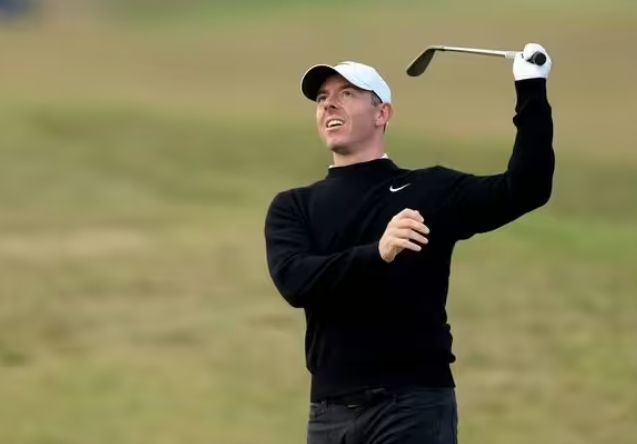
    Rory McIlroy, one of the most recognized figures in modern golf, has opened up about a critical shift in his approach to the game that could be responsible for his inability to secure another major championship over the past decade. In a candid conversation, McIlroy shared that his style of play has become more conservative, a far cry from the daring, risk-taking golfer who captured the world’s attention in his early 20s.


    McIlroy’s last triumph at the major level dates back to the 2014 PGA Championship at Valhalla, when he was just 25. At that point in his career, he was already a four-time major winner, having secured victories at the 2011 US Open, the 2012 PGA Championship, and the 2014 Open Championship. This incredible feat placed him alongside golf royalty—only Jack Nicklaus and Tiger Woods had managed to win four majors by the same age, cementing McIlroy’s place as one of the sport’s all-time greats.


    However, since that magical 2014 season, McIlroy has faced an unexpected and prolonged drought when it comes to major victories. Despite maintaining his status as one of the world’s top golfers and coming close several times, the elusive fifth major title has consistently slipped through his fingers. One such heartbreaking moment came earlier this year at the US Open at Pinehurst Resort, where McIlroy found himself leading by two strokes with just four holes to play. But the pressure mounted, and a series of bogeys allowed Bryson DeChambeau to storm ahead and claim the title.


    Now, McIlroy is reflecting on what may have gone wrong over the years, and he believes that his pursuit of consistency may have come at a cost. In a recent interview with Normal Sport, McIlroy delved into how his mindset on the course has evolved, admitting that he’s become less of a risk-taker—a shift he believes has contributed to his more consistent performances but may also have prevented him from sealing the deal in crucial moments.


    “I’m not as much of a risk-taker in my profession, like in golf, as I used to be,” McIlroy confessed. “I think in some way, that’s helped me because I’ve become a lot more consistent as a player. But maybe in other ways, it’s held me back over the last couple of years.”


    It’s a revealing admission from a golfer known for his fearlessness in his early years. That daring style was what made McIlroy so electric to watch, the same boldness that saw him win his first major at the US Open by a record margin, obliterating the field by eight strokes. But in recent years, McIlroy has favored playing it safe—choosing smart, measured decisions rather than chasing glory at every opportunity.


    This shift in strategy, while keeping McIlroy consistently near the top of leaderboards, may also explain why he’s struggled to capture that career-defining fifth major. As he described it, “The way my final rounds have gone, I’ll go out and shoot 70 or 69 and play a pretty solid round of golf, but it’s not enough to win.”


    McIlroy’s remarks reveal a dilemma many top athletes face as they mature in their careers: balancing the desire for consistency with the need for boldness in pivotal moments. McIlroy’s safer approach may have kept him competitive, but it’s also left him without the kind of game-changing rounds that secure major titles.


    But McIlroy’s challenges aren’t confined to his on-course strategy. In recent years, the 34-year-old has found himself at the center of the intense debates and controversies surrounding the creation of the LIV Golf tour, a Saudi-backed rival to the PGA Tour that has shaken the golfing world. Once vocal about his opposition to the LIV Tour, McIlroy has since taken a more measured stance, acknowledging that being constantly thrust into the spotlight for his views on the matter has been a challenge in itself.


    “Sometimes you feel that responsibility to try to give a good answer,” McIlroy explained. “And sometimes you can come up with that one, but there are other times where you can’t. I felt like there was a point over the last couple of years where people were looking forward more to my press conferences than they were to my golf. I was like, that’s not where I want to be.”


    It’s an interesting reflection from a man who has often found himself as the unofficial spokesperson for the PGA Tour amid the turmoil. McIlroy became known for his candid and thoughtful remarks on the controversial topic, often fielding difficult questions with poise. But after several years of facing the same inquiries, even McIlroy has grown weary of the attention.


    “You keep saying the same thing over and over and over. It starts to sound like a broken record,” McIlroy said, adding, “I sometimes feel pressure to find an answer that is still thoughtful but is a little different.”


    McIlroy’s transparency on both his evolving style of play and his media responsibilities offers a rare glimpse into the challenges of being a top-tier athlete in today’s world. Balancing the pressures of maintaining consistent performance on the course while also managing the expectations of fans, media, and the golf industry has clearly weighed on McIlroy. However, his continued presence at the top of the sport demonstrates his resilience and unwavering commitment to reclaiming the magic of his early major wins.


    As McIlroy prepares for future tournaments, the question remains: Will he be able to recapture the bold, risk-taking style that once made him unstoppable? Or will his new, more cautious approach continue to bring him close without ever fully crossing the finish line? Only time will tell whether McIlroy’s next chapter will finally see him break the major drought that has lingered for far too long. But one thing is clear—he’s not done yet, and neither are his dreams of adding to his already illustrious legacy.


  • Kevin Kisner reveals what Camilo Villegas told him about Scottie Scheffler after the Presidents Cup

    Kevin Kisner reveals what Camilo Villegas told him about Scottie Scheffler after the Presidents Cup

    Presidents Cup 2024: The Drama Unfolds as Tom Kim and Scottie Scheffler Exchange Putt Heroics


    The 2024 Presidents Cup will be remembered for many reasons, but one moment that will undoubtedly go down in history occurred on a seemingly flat Thursday at Royal Montreal. Both Tom Kim and Scottie Scheffler, two of the tournament’s brightest stars, lit up the seventh hole with long, dramatic birdie putts. It was an exchange that electrified the fans, momentarily breaking the subdued atmosphere that had lingered throughout the opening day. What was initially shaping up to be a quiet day on the course took a sudden turn into something much more intense, as two of golf’s young guns squared off in a moment that encapsulated the spirit of competition.


    Despite the excitement surrounding the Presidents Cup, particularly with Canadian golf icon Mike Weir leading a team that featured three Canadian players, the opening day didn’t quite live up to the hype. The atmosphere at Royal Montreal was unexpectedly flat, and the crowd’s energy levels lagged behind the intensity of the competition. Tom Kim, known for his passionate displays and fierce competitiveness, was visibly frustrated with the quietness in the stands as Team USA surged to a commanding 5-0 lead after the first session.


    Kim, ever the showman, attempted to inject some life into the crowd after sinking a sensational birdie putt on the seventh hole. It was a moment that harkened back to his memorable heroics at Quail Hollow two years prior. But as fate would have it, Kim’s celebration was a bit premature. Before the South Korean could truly revel in the moment, Scheffler, the world’s number one golfer, answered back in style. Draining a lengthy birdie putt of his own, Scheffler appeared to turn toward Kim as the ball rolled into the hole, letting out a celebratory shout. It was a moment of friendly rivalry between the two, as the pair share a close friendship off the course. Even Scheffler’s father was taken aback by the moment, but it remained good-natured and within the bounds of sportsmanship—at least on the surface.


    Camilo Villegas’ Role in a Controversial Presidents Cup Moment


    What happened next, however, pushed the boundaries of sportsmanship even further. As the drama continued to unfold, Kim holed another impressive birdie putt on the very next hole, the eighth. But instead of waiting for the Americans to attempt their putt for a half, International vice-captain Camilo Villegas made a controversial decision. Villegas urged Kim and his playing partner, Sungjae Im, to proceed to the ninth tee without watching the conclusion of the eighth hole.


    This action did not go unnoticed. Kevin Kisner, the US assistant captain, was seen in an animated conversation with Villegas shortly afterward. The moment added yet another layer of intrigue to the already heated competition. Speaking on the “Fore Play Podcast Plus,” Kisner later revealed the details of their exchange. Villegas, trying to explain his reasoning for what many perceived as poor sportsmanship, confessed that he was unnerved by Scheffler’s intense demeanor on the seventh hole. “Dude, I’m just going to be honest with you,” Villegas reportedly told Kisner. “When I saw Scottie do that [on seven], I feared a little bit for my guys. That was the scariest looking Scottie Scheffler I’ve ever seen, so I just didn’t want him to make another putt and something go awry.”


    Kisner, while understanding Villegas’ reasoning, didn’t fully buy into the explanation. “I’ll take your word for it, but I still thought it was b——t,” Kisner responded. “You think Scottie’s going to punch one of your guys? I’m pretty sure we’re not going to do that.” The exchange highlighted the tensions simmering beneath the surface at the Presidents Cup, where even the smallest gestures can take on outsized significance.


    The Drama that Fuels the Presidents Cup


    Moments like the one between Kim, Scheffler, and Villegas are what keep the Presidents Cup exciting. The event has faced its share of criticism, particularly after another dominant US victory, with some questioning the competitive balance between the two sides. However, it’s these flashes of drama that make the Presidents Cup a must-watch. Without the occasional controversy or on-course tension, the event risks losing its edge.


    The Presidents Cup thrives on rivalries, and every major event needs its heroes and villains. In this case, Tom Kim seemed to relish the role of antagonist, going head-to-head with Scheffler, one of the US team’s biggest stars. Meanwhile, Villegas’ decision to hurry his players off the green added fuel to the fire, even if it wasn’t intended as a mind game. Some spectators, and likely some players, saw it as a deliberate attempt to get under the Americans’ skin. Kisner’s skepticism of Villegas’ explanation only heightened the drama. And it’s not far-fetched to think that Villegas might have been trying to throw the US team off balance, even if only subconsciously.


    Of course, Scottie Scheffler is not the type of player to lose his composure. Known for his incredible mental toughness and calm demeanor, Scheffler is not someone who easily succumbs to mind games. In hindsight, it was probably a strategic mistake for the International team to try and rattle him. Alongside Russell Henley, Scheffler went on to secure the US’s most dominant win of the day, further solidifying his reputation as one of the game’s steadiest competitors.


    Adding Spice to a Familiar Formula


    While the US team ultimately cruised to another comfortable victory, the Presidents Cup needs moments like these to remain relevant and exciting. Without the occasional flashpoint, the event could risk becoming too predictable. The 2024 edition, for all the lopsided scorelines, still managed to produce moments of genuine drama. Whether it was Kim’s attempts to rile up the crowd, Scheffler’s icy response, or Villegas’ controversial decision, these are the moments that will stick in the memory long after the tournament ends.


    Golf, often seen as a gentleman’s game, is not immune to rivalries and high-stakes drama. And while the Presidents Cup may not yet have the same level of prestige as the Ryder Cup, it is evolving. Events like the Kim-Scheffler standoff and the Villegas-Kisner exchange are signs that the tournament is finding its own identity, one built on intensity, competition, and the occasional controversy.


    In the end, the Presidents Cup is better for these moments of friction. They create storylines, spark debates, and keep fans engaged. Without a bit of spice, the event would lack the tension that makes it compelling. As the dust settles on Royal Montreal, it’s clear that while the US team may have walked away with the trophy, the real winners were the fans who got to witness these unforgettable moments of high drama on the world stage.


  • “Serena Williams Reveals Shocking Choice: Why She Chose Daughters Olympia and Adira Over Her Tennis Legacy!””Serena Williams Reveals Shocking Choice: Why She Chose Daughters Olympia and Adira Over Her Tennis Legacy!”

    “Serena Williams Reveals Shocking Choice: Why She Chose Daughters Olympia and Adira Over Her Tennis Legacy!””Serena Williams Reveals Shocking Choice: Why She Chose Daughters Olympia and Adira Over Her Tennis Legacy!”

    Serena Williams Reveals Shocking Choice: Why She Chose Daughters Olympia and Adira Over Her Tennis Legacy

    In a move that has stunned the world of sports, Serena Williams, one of the greatest tennis players of all time, has opened up about her decision to step away from the court in favor of family life. With 23 Grand Slam titles to her name, Serena was always expected to continue her relentless pursuit of Margaret Court’s record of 24 major titles. However, Williams has revealed a deeply personal reason for her choice to hang up her racquet, and it all centers on her two daughters, Olympia and newborn Adira.

    In a candid interview, Serena shared that becoming a mother completely transformed her perspective on life. “Tennis has always been my passion,” she admitted. “But once I had Olympia and now with Adira, everything changed. I felt a new kind of love and responsibility that was bigger than any match, any title, or any record.”

    A New Era of Priorities

    For Serena, the decision wasn’t just about balancing motherhood with tennis but about fully immersing herself in raising her daughters. “I didn’t want to just be a part-time mom or miss out on their milestones because I was chasing more trophies,” she confessed. “I had to make a choice: either continue pushing my body and mind on the court or give my daughters my full attention and love.”

    Her eldest daughter, Olympia, has already been seen courtside at many of Serena’s matches, cheering on her mom in some of the biggest moments of her career. But for Serena, those moments paled in comparison to the joys of motherhood. She revealed that the pressure to return to tennis after Olympia’s birth weighed heavily on her mind, but with the birth of her second child, Adira, the decision to retire became clear.

    “I’ve Already Proven Everything”

    Williams’ departure from professional tennis last year left fans and pundits alike wondering if she would ever return to the court for one final run. Serena’s announcement that she was focusing entirely on her children caught many by surprise, considering her competitive spirit and unfinished business in the tennis world.

    However, Williams’ response to that is clear: “I’ve already proven everything I set out to achieve in tennis. I’ve broken records, and I’ve inspired the next generation of players. But my daughters? They only get one mom, and I want to be the best mom for them.”

    Legacy Beyond Tennis

    While some may be disappointed that Serena won’t make another attempt at breaking Court’s Grand Slam record, she has never been one to follow a conventional path. Her influence in the world of sports extends far beyond titles. As a trailblazer for women, particularly women of color, Serena’s legacy is unmatched. She’s a global icon who has inspired millions to pursue greatness, regardless of the challenges they face.

    “I hope my daughters will look back at my career and be proud of what I achieved,” Serena said, reflecting on her decision. “But more than that, I want them to remember me as a present, loving mother who was always there for them. That’s the legacy that matters most to me.”

    Fans React to Her Decision

    Unsurprisingly, Serena’s fans have expressed overwhelming support for her choice. On social media, comments flooded in praising her for prioritizing family over fame and records. “Serena is an inspiration, not just for what she did on the court but for showing that even the greatest athletes have to make tough, personal decisions,” one fan tweeted.

    Others, however, have voiced their hope that she might still return for a few exhibition matches or special appearances. But for now, Serena seems content with her new chapter, enjoying the quiet yet profoundly fulfilling moments of motherhood.

    What’s Next for Serena?

    While tennis may no longer be her top priority, Serena remains a force in the business world. With investments in various companies and her own fashion line, she is redefining what post-athletic life looks like for female athletes.

    “Right now, it’s all about my girls,” she reiterated. “But who knows what the future holds? Tennis has given me so much, and I’ll always have a place for it in my heart. But my focus is on raising strong, confident daughters.”

    For now, Serena is happy stepping off the tennis court to embrace her role as a full-time mother to Olympia and Adira. And if her passion for her daughters is anything like her passion for tennis, there’s no doubt that she’ll be just as legendary in this next chapter of her life.

    Serena Williams’ decision to put her daughters first is perhaps her most powerful move yet — proof that, even for a champion, some things are bigger than tennis.