Author: newuser

  • Świątek Zaskoczona Zarzutami Collins o „Nieszczerość” Po Gorącym Meczu na Igrzyskach Olimpijskich

    Świątek Zaskoczona Zarzutami Collins o „Nieszczerość” Po Gorącym Meczu na Igrzyskach Olimpijskich

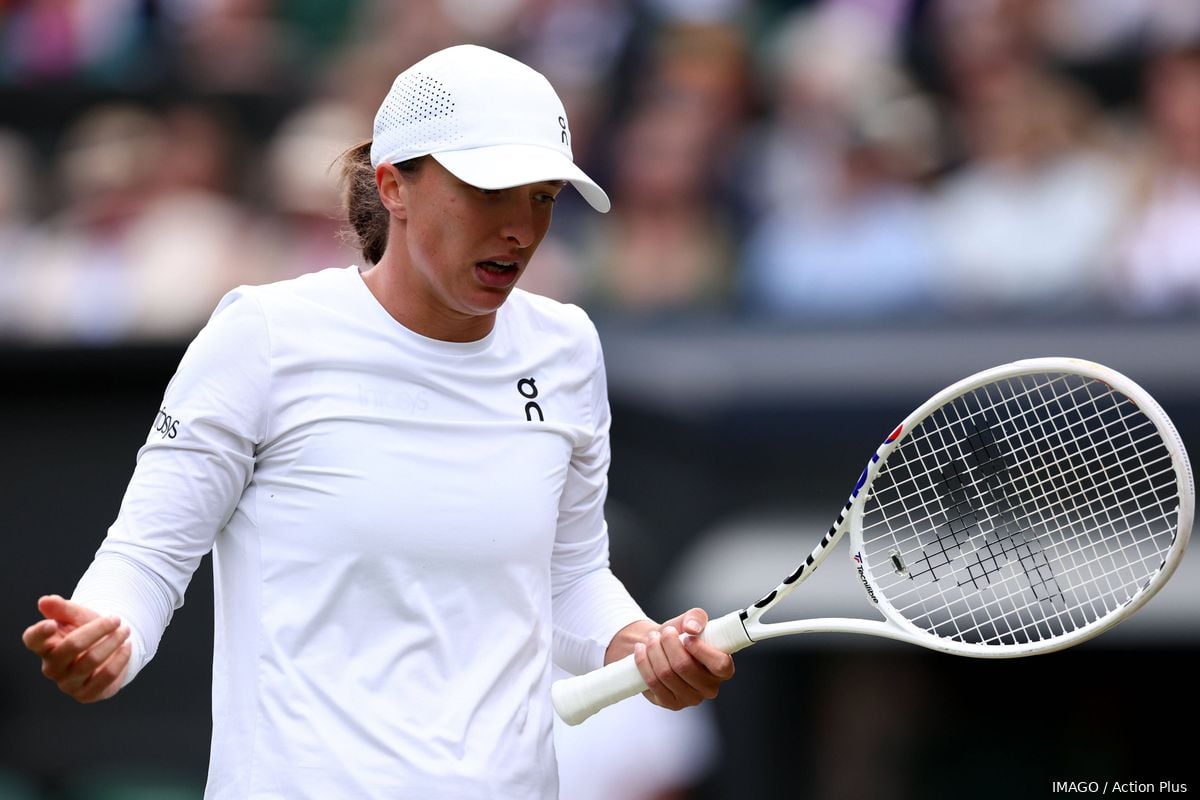
    Iga Świątek znalazła się w sytuacji pełnej zdumienia, gdy Amerykanka Danielle Collins nazwała ją “nieszczerym” po ich kontrowersyjnym meczu podczas Igrzysk Olimpijskich w Paryżu w 2024 roku. Spotkanie, które było pełne napięć, zakończyło się przedwcześnie, gdy Collins poddała się w trzecim secie przy stanie 1-4 z powodu kontuzji. Po tym nagłym zakończeniu meczu odbyła się krótka rozmowa między zawodniczkami, podczas której Świątek próbowała przekazać swoje życzenia dla Collins. Jednak Amerykanka szybko zakończyła tę wymianę i później skrytykowała komentarze Świątek podczas konferencji prasowej po meczu.


    Zarzut nieszczerości ze strony Collins zaskoczył Świątek, która chciała wyrazić szczere gratulacje, biorąc pod uwagę, że był to ostatni sezon Collins na WTA Tour. Świątek, aktualnie numer jeden na świecie, była zaskoczona reakcją Collins, ponieważ czuła, że jej intencje, aby pogratulować rywalce udanej kariery, zostały źle zrozumiane. Po meczu Świątek wyraziła swoje zdumienie w związku z całym zajściem, mówiąc: „Nie będę o tym dyskutować, ponieważ nigdy nie zrobiłam jej nic niemiłego. Chciałam jedynie pogratulować jej udanej kariery, bo wszyscy wiemy, że to jej ostatni rok na tourze.”


    Świątek kontynuowała: „Szczerze mówiąc, nie wiem, co miała na myśli, ponieważ nie mieliśmy żadnych interakcji, które mogłyby sprawić, że powiedziałaby coś takiego do mnie.” To poczucie dezorientacji było widoczne podczas uścisku dłoni i późniejszego wywiadu, gdzie jej zdziwienie było wyraźnie odczuwalne. Krótka rozmowa między zawodniczkami pozostawiła Świątek z większą ilością pytań niż odpowiedzi.


    Dodatkowym problemem meczu był czas przerwy toaletowej Świątek, która trwała osiem minut, podczas gdy zmieniała strój. Collins wcześniej wyraziła obawy co do długości tej przerwy, sugerując, że mogła być zbyt długa. Świątek wyjaśniła tę kwestię w swoich komentarzach po meczu, tłumacząc, że przestrzegała przepisów turnieju. Powiedziała: „Generalnie podczas turniejów, gdy wychodzimy i mamy czas na zmianę ubrań, mamy prawo do 5 minut. Tutaj zapytałam kobietę, która mnie eskortowała, ile mam czasu. Nie powiedziała mi tego.”


    Świątek opisała odpowiedź, jaką otrzymała: „Odpowiedziała, że tutaj nie liczą czasu i mam po prostu wrócić, gdy będę gotowa. Więc wykorzystałam ten czas na zmianę i ochłodzenie się, a potem wróciłam na kort.” Pomimo jej wyjaśnień, Świątek przyznała, że nie była świadoma, ile czasu minęło, ale podkreśliła, że nie złamała żadnych zasad.


    Ostatecznie Świątek awansowała do półfinałów turnieju, podczas gdy Collins, która planuje zakończyć swoją karierę zawodową na koniec sezonu WTA, już więcej nie spotka się z nią na korcie. Choć incydent był stosunkowo drobny, stanowił rzadki przykład potencjalnego konfliktu z udziałem Świątek, która zazwyczaj jest znana z ducha sportu i pozytywnego zachowania na korcie. W miarę jak turniej trwa, obie zawodniczki będą kontynuować swoje ścieżki – Świątek skupiając się na nadchodzących rundach, a Collins przygotowując się do zakończenia swojej kariery 20242024w sporcie.

  • WATCH: Collin Morikawa joins the Scoop to reveal how he met his wife, Olympic hopes and more

    WATCH: Collin Morikawa joins the Scoop to reveal how he met his wife, Olympic hopes and more

    Inside the Scoop with Collin Morikawa: Ice Cream, Olympics, and Unforgettable Stories


    In a blend of sweetness and sportsmanship, Collin Morikawa, the celebrated two-time major champion, sat down with me for an unforgettable episode of *The Scoop*. Our meeting took place amidst the buzz of the Travelers Championship, but it wasn’t just about golf that day. We shared a scoop of strawberry cheesecake ice cream, creating a setting that was both relaxed and intimate — perfect for delving into the personal and professional facets of one of golf’s brightest stars.


    From the moment we began our conversation, it was clear that Morikawa was more than just a talented golfer. Despite our limited previous interactions, he quickly emerged as one of my favorite personalities in the sport. His demeanor was a refreshing mix of kindness, humor, and enthusiasm. In a world often driven by competition and pressure, Morikawa’s openness and charisma were like a breath of fresh air.


    During our chat, we explored a range of topics that shed light on the man behind the golf clubs. Morikawa shared intriguing stories about his life, including how he first met his wife, Katherine. Their love story is as captivating as his career, and Morikawa’s recounting was filled with genuine warmth and affection.


    Looking ahead to his second appearance at the Olympic Games, Morikawa expressed his excitement and anticipation for the Paris 2024 event. He talked about what makes the Olympics such a special occasion for athletes and shared what he’s most looking forward to as he represents his country on the global stage.


    One of the highlights of our conversation was Morikawa’s amusing anecdote about how “Call of Duty” played an unexpected role in his victory at the 2021 Open Championship. He detailed how the popular video game not only provided a much-needed mental escape but also influenced his game strategy in a way that helped him secure the prestigious title.


    In a humorous twist, Morikawa also recounted his experience of being stopped by customs because of the Claret Jug — a trophy that undoubtedly commands attention. His story about this unexpected encounter was both entertaining and endearing, showcasing his ability to find humor in the midst of success.


    Despite the intense summer heat — with temperatures soaring into the 90s and humidity making it feel even hotter — Morikawa remained as laid-back and engaging as ever. His willingness to take time out of his busy schedule at the Travelers Championship for our chat was greatly appreciated and made for an especially memorable episode.


    So, whether you’re gearing up for the Olympic golf competition or simply in the mood for a compelling sports story, this episode of *The Scoop* featuring Collin Morikawa is a must-watch. Grab some ice cream, settle in, and enjoy an enlightening conversation with one of golf’s most dynamic figures. You can catch the full interview now live on GOLF’s YouTube channel. Trust me, you won’t want to miss it.

  • Danielle Collins ujawniła, że miała mocne słowa dla Igi Świątek po ich meczu na Igrzyskach Olimpijskich w Paryżu, stanowczo mówiąc Polce, że nie było potrzeby, aby była „nieszczera” w kwestii jej kontuzji klatki piersiowej.

    Danielle Collins ujawniła, że miała mocne słowa dla Igi Świątek po ich meczu na Igrzyskach Olimpijskich w Paryżu, stanowczo mówiąc Polce, że nie było potrzeby, aby była „nieszczera” w kwestii jej kontuzji klatki piersiowej.

    Danielle Collins ujawniła, że miała mocne słowa dla Igi Świątek po ich meczu na Igrzyskach Olimpijskich w Paryżu, stanowczo mówiąc Polce, że nie było potrzeby, aby była „nieszczera” w kwestii jej kontuzji klatki piersiowej.

    Danielle Collins ostro skrytykowała Iga Świątek po dramie w meczu na Igrzyskach Olimpijskich w Paryżu.

    Danielle Collins ujawniła, że miała mocne słowa dla Igi Świątek po ich meczu ćwierćfinałowym na igrzyskach olimpijskich w Paryżu, stanowczo mówiąc Polce, że nie musiała być „nieszczera” w kwestii jej kontuzji klatki piersiowej.

    Podczas meczu ćwierćfinałowego Collins i Świątek było kilka napiętych momentów. Jednym z nich był trzeci set, gdy backhand Collins trafił Świątek w klatkę piersiową. Po uderzeniu aktualna numer jeden świata i pięciokrotna mistrzyni Wielkiego Szlema wydawała się odczuwać ból.

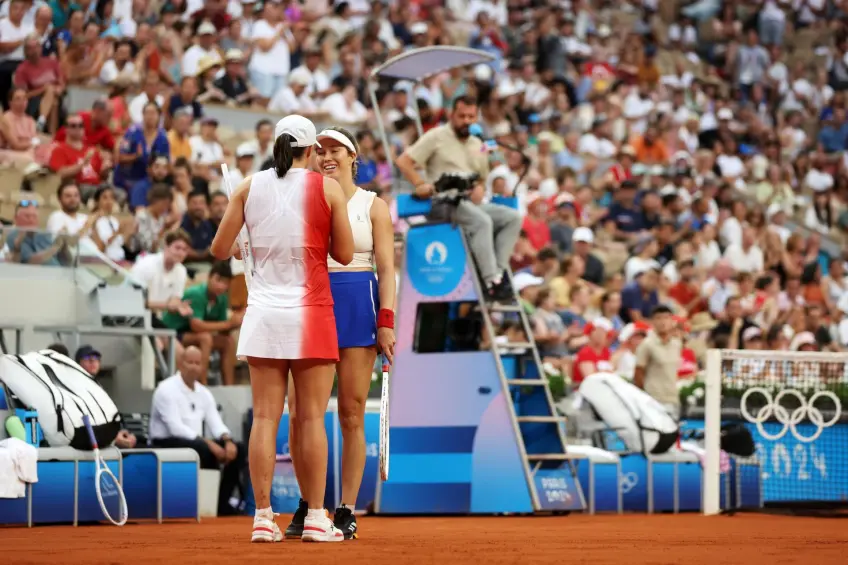
    Kilka gier później to Collins musiała zrezygnować z meczu z powodu kontuzji brzucha. Po tym, jak Collins oddała mecz, gdy Świątek prowadziła 6-1, 2-6, 4-1, Amerykanka zatrzymała Polkę na dłuższą rozmowę przed opuszczeniem kortu.

    Później, numer 9 na świecie Collins podzieliła się tym, co powiedziała Świątek.

    Collins krytykuje Świątek

    „Powiedziałam Idze, że nie musiała być nieszczera w kwestii mojej kontuzji. Wiele się dzieje przed kamerami, a jest mnóstwo osób, które mają mnóstwo charyzmy i pokazują się w jeden sposób przed kamerą, a inaczej w szatni,” powiedziała Collins po meczu.

    „I po prostu nie miałam najlepszych doświadczeń i naprawdę nie czuję, że ktokolwiek musi być nieszczery. Mogą być tacy, jacy są. Mogę to zaakceptować, nie potrzebuję fałszywości.”

    Nawet przed tym, jak Collins zatrzymała Świątek przy siatce, było widać, że Amerykanka nie była szczególnie zadowolona z Polki.

    „Nie ma nikogo za mną. Graj w tempie serwisera,” powiedziała Collins do Świątek.

    Rezygnując z meczu przeciwko Świątek, Collins zakończyła swoje występy na igrzyskach olimpijskich.

    Z kolei Świątek ma teraz stawać do walki z finalistką Australian Open 2024 Zheng Qinwen o miejsce w finale igrzysk olimpijskich w Paryżu.

  • The Olympics could have made a big mistake with golf before the tournament even starts

    The Olympics could have made a big mistake with golf before the tournament even starts

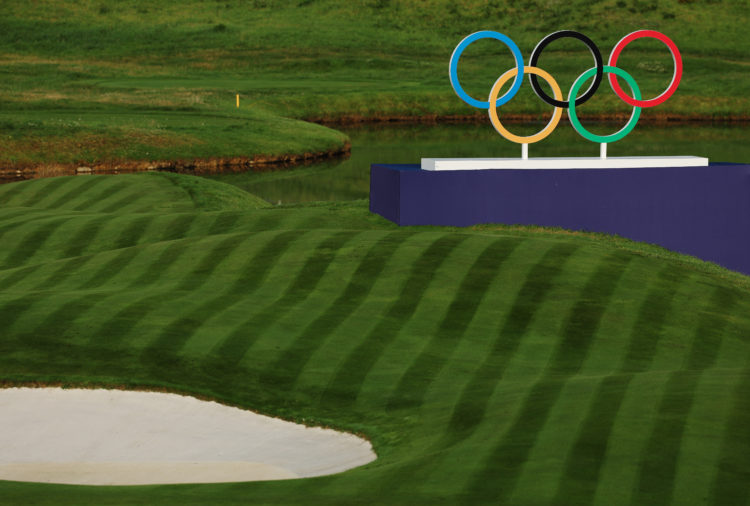
    The highly anticipated Olympic golf event at Le Golf National is set to commence this Thursday, bringing together some of the world’s elite golfers who will compete for coveted podium positions. As the tournament gets underway, all eyes are on Team USA, widely regarded as the favorites due to the impressive form of their star players Scottie Scheffler and Xander Schauffele. Both golfers have been in exceptional shape leading up to the 72-hole competition in Paris.


    The remainder of the U.S. team includes Collin Morikawa and Wyndham Clark. While Morikawa’s inclusion is met with general approval, Clark’s selection has stirred controversy among fans. Critics point to Clark’s recent lackluster performances on the PGA Tour as a reason for their dissatisfaction, suggesting that his spot on the team might have been better allocated to another player in stronger form.


    On the other side of the Atlantic, Rory McIlroy is hoping to recover from his disappointing performance at the Open Championship. Golf pundit Rex Hoggard has expressed confidence that McIlroy will secure a medal, a prediction that adds an extra layer of intrigue to the event.


    However, the format of the Olympic golf tournament has sparked a debate. Traditionally, the event follows a 72-hole stroke play format, similar to most weekly PGA Tour events and major championships, which run from Thursday through Sunday. Since the World Golf Championships (WGC) Match Play event was discontinued in 2023, the golf calendar has been dominated by stroke play formats, leading some to believe that the Olympics had a unique opportunity to introduce a different style of play.


    Instead of adhering to the conventional stroke play format, the Olympics could have innovated by adopting a match-play format. This format, where players face off head-to-head, or a team-based format akin to the Ryder Cup, where nations compete against each other, would have offered a refreshing change. Such a format could have injected a greater sense of excitement and competition, making the event stand out amidst the typical golf schedule.


    Match-play events are often considered more engaging for viewers compared to standard stroke play tournaments. The head-to-head nature of match play introduces a level of risk and strategic depth that can captivate audiences from the very start of the competition. Historical Ryder Cups like the ‘Miracle at Medinah,’ the ‘Battle of Brookline,’ and the ‘War by the Shore’ are celebrated not just for the dramatic moments but also for their unique formats that created compelling narratives.


    Given golf’s need to evolve and attract a broader audience, the decision to stick with the traditional format for the Olympics may be seen as a missed opportunity. An innovative format could have made the event more dynamic and appealing, potentially drawing in new fans who are looking for something beyond the typical stroke play experience.


    While the Le Golf National competition is expected to be exciting and engaging, the choice to maintain the conventional format raises questions about missed opportunities for innovation. As we look ahead to the 2028 Olympic Games in Los Angeles, it is hoped that organizers will consider making alterations to the current format to better capture the imagination of golf fans and introduce a fresh, captivating element to the sport’s Olympic showcase.

  • Xander Schauffele makes drinking claim ahead of Olympics: “Quite a feat for myself”

    Xander Schauffele makes drinking claim ahead of Olympics: “Quite a feat for myself”

    Xander Schauffele Reflects on Post-Major Celebrations and Olympic Aspirations

    Xander Schauffele, a two-time major champion, recently opened up about a unique celebration following his victory at The Open Championship at Royal Troon earlier this month. The 30-year-old American golfer disclosed that he engaged in a three-day drinking spree after clinching the prestigious title, an act he described as quite an accomplishment given his usual abstention from alcohol. Schauffele’s remarkable achievement of winning The Open was his second major title of the year, and it has set the stage for his upcoming attempt to secure a double Olympic gold medal this weekend.


    In an interview with reporters on Tuesday, Schauffele elaborated on his rare indulgence. He admitted that he generally refrains from consuming alcohol, making his extended drinking celebration all the more significant. “I don’t really drink much alcohol,” Schauffele confessed. “So three days in a row drinking was quite a feat for myself, and the recovery…that was also slow.” The golfer detailed how he uses devices like the Oura ring and WHOOP to monitor his health metrics, including sleep patterns. The aftermath of his celebratory binge saw a noticeable dip in his recovery scores, highlighting the physical toll of his revelry.


    The year 2024 has been a whirlwind for Schauffele, marked by a series of significant achievements. He demonstrated exceptional consistency on the PGA Tour before finally breaking through at the PGA Championship held at Valhalla. His performance at the PGA Championship paved the way for his triumph at Royal Troon, where he showcased an impressive display of skill, particularly on the final day’s back nine. His victory at The Open Championship made him the first player since Brooks Koepka in 2018 to secure two major titles in a single year.


    After his success at Royal Troon, Schauffele took a brief respite in Portugal with his family. The break provided him with an opportunity to relax and bond with his loved ones. He was joined by his Olympic teammate Collin Morikawa and Morikawa’s partner, Katherine. Reflecting on this period of downtime, Schauffele remarked, “I was in Portugal with Collin and we had a really nice time there. We played golf for three days and it was fun. We had our girls with us and some nice team bonding. It was really chill, as chill as I would have wanted it, especially after a really tough stretch.”


    In addition to his recent victories, Schauffele has been reminiscing about his previous Olympic success. He won the gold medal at the Tokyo Games, which were held under stringent Covid-19 restrictions. Despite the absence of fans, Schauffele found the experience deeply personal and fulfilling, particularly because he was able to share the moment with his father, Stefan. “It would have been really cool with fans,” Schauffele acknowledged. “But it was really intimate that my dad was the only person there with me besides Austin.” The golfer reflected on the significance of the victory, noting that it was a special way to honor his father and their shared passion for golf.


    Schauffele’s relationship with golf is profoundly influenced by his father’s own aspirations and teachings. The golfer recounted how his father had harbored dreams of becoming an Olympian, which adds an extra layer of meaning to his Olympic achievements. “Golf was in the Olympics, then it was out of the Olympics,” Schauffele said. “So a lot of the kids were watching Tiger, or if you’re a little bit older, Jack or Arnie – the older legends of the game. You’re watching them win majors but, for me, it’s very personal, the relationship my dad and I have with golf.”


    As Schauffele prepares for the upcoming Olympic Games, he will tee off in the first round at 11:44 AM CET. He will be playing alongside notable competitors Jon Rahm and Viktor Hovland. With his impressive track record and recent successes, Schauffele is poised to make a significant impact as he aims for another gold medal.

  • Xander Schauffele Discusses Painful Aftermath Of Three-Day Bender After British Open

    Xander Schauffele Discusses Painful Aftermath Of Three-Day Bender After British Open

    Xander Schauffele, who emerged as the champion at The British Open last month, not only had a reason to celebrate but also faced the inevitable repercussions of indulging in heavy drinking for three consecutive days, especially as someone in his 30s.

    The British Open, held at the historic Royal Troon, saw Scottie Scheffler as the clear favorite heading into the tournament. However, Schauffele managed to create a significant storyline by securing the Claret Jug with a narrow two-stroke victory. This win was particularly notable as it followed closely after Schauffele’s first major victory at the PGA Championship just two months earlier. While Scheffler has accumulated a greater number of wins this season, Schauffele has remained highly competitive. His impressive performance includes a dozen Top 10 finishes, with two of those being runner-up placements, from the 18 events he has participated in thus far.


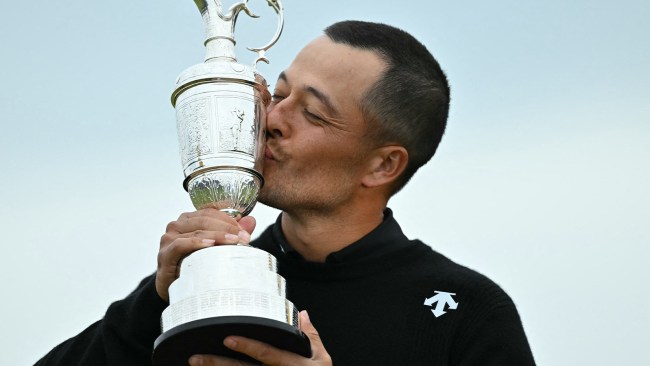
    The Claret Jug, one of the most iconic trophies in golf, is uniquely designed to be drinkable, adding a celebratory touch to victories. Schauffele took full advantage of this feature, using the trophy to enjoy red wine with his father before switching to tequila. However, it seems that the celebrations extended beyond just these drinks.


    Schauffele had ample time to recuperate from the post-victory festivities before heading to France to represent the United States at the Olympics. As he prepared for his first round at Le Golf National, which was scheduled to begin on Thursday, Schauffele addressed the aftermath of his three-day drinking spree during a media session. He shared insights into the physical impact of his celebrations, reflecting on the challenges of recovering from such a prolonged bout of alcohol consumption.


    “I don’t really drink much alcohol,” Schauffele admitted. “So three days in a row drinking was quite a feat for myself, and the recovery…that was also slow.”


    To monitor his recovery, Schauffele relies on wearable technology, such as an Oura ring or WHOOP strap. These devices help track various health metrics, including sleep quality. Schauffele noted that it took him some time to restore his sleep scores to their usual levels after the intense celebration period. “Tracking my sleep every day,” he explained, “it took a while for me to get my scores back to where they normally are. Put it that way.”


    Despite the challenges posed by his celebratory binge, Schauffele’s experience underscores a common aspect of high-level sports achievements—the balance between enjoying success and managing the subsequent recovery. As he continues to compete on the global stage, his reflections on the consequences of his celebratory behavior provide a candid look at the realities faced by professional athletes.

  • Rory McIlroy’s admission before Olympics causes a stir: “This has to be a bit”

    Rory McIlroy’s admission before Olympics causes a stir: “This has to be a bit”

    Rory McIlroy’s Surprising Olympic Passion and Fiery Feud: A Deep Dive into His Unlikely Favorite Sport and Latest Controversies”

    In a curious twist that has left fans and critics alike scratching their heads, Rory McIlroy has revealed an unexpected fondness for the sport of dressage, a choice that has sparked a mix of disbelief and intrigue. As McIlroy prepared for the men’s golf tournament at the upcoming Paris 2024 Olympics, he penned down his favorite Olympic sport as “dressage” on a whiteboard during a promotional photo shoot. This revelation came amidst other personal details he shared, including his goal of winning the gold medal and his participation alongside notable competitors like Scottie Scheffler and Ludvig Åberg.

    The seemingly playful choice of dressage—an equestrian discipline characterized by its intricate and graceful movements—has prompted some golf fans to question whether McIlroy is being entirely serious. “Rory’s banterous approach to the week now extends to calling dressage his favourite sport,” one commentator noted on X. Another fan questioned, “Is Rors taking the p— with his favourite sport?” Despite these reactions, it appears McIlroy’s appreciation for dressage is genuine. He has previously expressed admiration for the sport, describing it as “mesmerising” and stating his desire to watch it during the Tokyo Games.


    McIlroy’s commitment to Olympic gold is unwavering, and his approach to the Games contrasts sharply with that of world number one Scottie Scheffler, who stated that his primary goal was simply to “have fun.” In the build-up to the tournament, McIlroy has demonstrated a blend of competitive drive and a touch of levity, adding to the intrigue surrounding his participation.


    As McIlroy tees off at 9:11 am BST on Thursday, his performance will be keenly observed, not just for his golfing prowess but also for his recent outspoken stance on the qualifications of LIV golfers for the Olympics. McIlroy did not shy away from addressing the ongoing feud with LIV players, including Jon Rahm and Carlos Ortiz, who have voiced their discontent with the current qualification process. McIlroy’s blunt response emphasized that players were well aware of the requirements when they chose to join the breakaway tour, underscoring his commitment to the traditional golfing structures.


    The stakes for McIlroy are particularly high following a disappointing end to his season at the 2024 Open Championship, where he missed the cut. Reflecting on his recent performance, McIlroy acknowledged the extra time off he has had due to his early exit from the Open but expressed enthusiasm for the familiar conditions of the Olympic golf course. “I’m excited to be here and at a golf course where I’ve got a lot of fond memories from the Ryder Cup a few years ago,” McIlroy said, relishing the chance to play in more favorable weather conditions compared to the challenging conditions at Royal Troon.


    As McIlroy prepares for his Olympic debut and contends with the complexities of his professional and personal interests, including his unique affection for dressage and his confrontational stance on golf politics, the upcoming tournament promises to be a compelling chapter in his illustrious career. The juxtaposition of his intense goal for Olympic gold against his playful and somewhat unconventional sports interests paints a fascinating portrait of a golfer at the crossroads of competitive ambition and personal passion.

  • “Chwila Zapierająca Dech w Piersiach: Niebezpieczny Ruch Danielle Collins Rani i Wstrząsa Światową Nr 1, Igą Świątek”

    “Chwila Zapierająca Dech w Piersiach: Niebezpieczny Ruch Danielle Collins Rani i Wstrząsa Światową Nr 1, Igą Świątek”

    Amerykańska zawodniczka Danielle Collins stanęła w obliczu kontrowersji po kontrowersyjnym ruchu, który spowodował kontuzję numeru jeden na świecie, Igi Świątek, niemal doprowadzając do poważnego wypadku.


    W dramatycznym zwrocie wydarzeń podczas Igrzysk Olimpijskich, Danielle Collins wycofała się z meczu przeciwko liderce rankingu WTA, Iga Świątek, przy stanie 4-1 w trzecim secie. Spotkanie to jednak nie obyło się bez kontrowersji i napięcia, które rozgrzały atmosferę zarówno na korcie, jak i poza nim, przyciągając uwagę fanów tenisa i komentatorów.


    Na początku trzeciego seta Collins wydawała się widocznie sfrustrowana zachowaniem Świątek podczas meczu. Amerykanka straciła cierpliwość, co doprowadziło do kluczowego momentu, który przyćmił zakończenie spotkania. W przypływie gniewu lub frustracji Collins oddała mocny i agresywny strzał bezpośrednio w kierunku Świątek. Uderzenie było na tyle silne i precyzyjne, że trafiło Świątek wprost w klatkę piersiową, powodując, że Polka upadła na kort. Skutek uderzenia był na tyle poważny, że Świątek została chwilowo unieruchomiona, łapiąc powietrze z trudnością.

    https://x.com/raghavv_01/status/1818684762476958039?t=ZyUsXd_wNTRpBsUszGgLXg&s=19

    Działania Collins zostały natychmiast poddane krytyce, a niektórzy użytkownicy mediów społecznościowych oskarżyli ją o niemal spowodowanie poważnego uszczerbku na zdrowiu Świątek. Incydent ten dodał kolejny poziom napięcia do już gorącego meczu, jeszcze bardziej zaostrzając atmosferę na i poza kortem. Po zdarzeniu Collins wykazała się sportową postawą, podchodząc do Świątek, aby przeprosić i sprawdzić jej stan. Mimo tego, że okazano troskę, stan fizyczny Collins pogorszył się, co doprowadziło do decyzji o wycofaniu się z meczu zaledwie pięć gier później.


    Dokładne powody wycofania się Collins pozostają nieco niejasne. Przyznała sędziemu, że nie jest w stanie kontynuować gry, mówiąc: „Nie ma mowy, żebym mogła grać”. Choć Collins zmaga się z reumatoidalnym zapaleniem stawów przez całą swoją karierę, nie jest pewne, czy ten stan wpłynął na jej decyzję o wycofaniu się z meczu. Połączenie dyskomfortu fizycznego i stresu emocjonalnego związanego z meczem mogło przyczynić się do jej decyzji.


    Nieoczekiwane wycofanie się Collins z meczu zaskoczyło Świątek i wzbudziło pytania dotyczące charakteru ich rywalizacji na korcie. Świątek, która była obiektem frustracji Collins, była wyraźnie zszokowana obrotem spraw. Mimo napięcia udało jej się odzyskać równowagę i teraz przygotowuje się do kolejnego meczu przeciwko Qinwen Zheng, mając na celu awans do rundy medalowej. Wycofanie się Collins oznacza również, że w rywalizacji singlowej pozostał tylko Tommy Paul jako jedyny amerykański zawodnik, co stanowi istotną zmianę w układzie turnieju.


    Mecz był już naznaczony napięciem przed dramatycznym wycofaniem się Collins. Przedłużające się przerwy na toaletę Świątek podobno zakłóciły rytm gry Collins, co przyczyniło się do rosnącej frustracji Amerykanki. Opóźnienia te zdawały się mieć negatywny wpływ na występ Collins, ostatecznie prowadząc do jej wycofania się z rywalizacji. Incydent podkreślił czasami kontrowersyjny charakter meczów tenisowych wysokiej rangi, gdzie emocje mogą wpływać na wydajność zawodników i ich interakcje.


    Ostatni akt Collins – jej konfrontacja ze Świątek przy opuszczaniu kortu – dodał kolejny poziom dramatu do już naładowanego spotkania. Dokładna treść ich rozmowy nie została w pełni ujawniona, ale było widać, że między obiema zawodniczkami pozostało znaczące napięcie.


    W miarę jak turniej tenisowy olimpijski trwa, wszystkie oczy zwrócone są teraz na Świątek, która przygotowuje się do nadchodzącego meczu przeciwko Zheng. Wynik tego spotkania zdeterminuje, czy Świątek awansuje do rundy medalowej, a także pozostaje do zobaczenia, jak wydarzenia meczu z Collins wpłyną na jej występ w kolejnych rundach.


    Wycofanie się Collins z Igrzysk Olimpijskich oznacza smutny koniec jej możliwej ostatniej obecności na tej imprezie. Emocjonalne i fizyczne obciążenie meczu

  • (WIDEO) „Danielle Collins niemal zabiła Igę Świątek”: Amerykanka wzbudza kontrowersje po powaleniu numeru 1 na świecie w przegranym meczu olimpijskim

    (WIDEO) „Danielle Collins niemal zabiła Igę Świątek”: Amerykanka wzbudza kontrowersje po powaleniu numeru 1 na świecie w przegranym meczu olimpijskim

    Wycofanie się Danielle Collins z meczu singlowego na igrzyskach olimpijskich przeciwko Idze Świątek było obciążone znaczną kontrowersją i dramatycznymi momentami. Collins wycofała się z meczu, przegrywając 4-1 w decydującym secie, jednak okoliczności jej rezygnacji były dalekie od rutynowych, co wzbudziło intensywną dyskusję i kontrowersje wśród fanów i komentatorów.

    https://x.com/raghavv_01/status/1818684762476958039?t=oBQAl0Q56DgZLYOx6p422Q&s=19

    Mecz, który wzbudzał duże zainteresowanie, przybrał kontrowersyjny obrót na początku ostatniego seta. Collins, widocznie sfrustrowana przebiegiem meczu i postawą Świątek na korcie, wykonała silny serwis, który wydawał się być celowo wymierzony w Świątek. Uderzenie trafiło Świątek prosto w klatkę piersiową, co spowodowało, że zawodniczka upadła na ziemię, wyraźnie wstrząśnięta. Incydent natychmiast przyciągnął uwagę i wzbudził obawy, a wielu zaczęło się zastanawiać, czy uderzenie było efektem prawdziwej frustracji, czy też niecharakterystycznym naruszeniem zasad fair play.


    Po incydencie Collins podeszła do drugiej strony siatki, aby sprawdzić stan Świątek i przeprosić ją. Pomimo tego gestu, zakłócenie i następujące po nim fizyczne oraz emocjonalne obciążenie wydawały się mieć głęboki wpływ na zdolność Collins do dalszej gry. Niedługo później Collins zdecydowała się wycofać z meczu, informując sędziego, że nie jest w stanie kontynuować. Dokładne powody jej wycofania pozostają nieco niejasne, a spekulacje obejmują możliwość zaostrzenia jej reumatoidalnego zapalenia stawów, stanu, który wcześniej wpływał na jej formę i zdrowie.


    Wycofanie Collins oznaczało dramatyczne zakończenie jej olimpijskiej kampanii i pozostawiło Świątek w stanie szoku. Nagłe zakończenie meczu nie tylko wyeliminowało Collins z turnieju, ale również postawiło Świątek przed wyzwaniem przygotowania się do kolejnego przeciwnika, Qinwen Zheng, w walce o miejsce w półfinale. Zakłócenie meczu miało również istotny wpływ na pozostałych amerykańskich reprezentantów w turnieju singlowym, z Tommy’m Paulem jako jedynym pozostałym amerykańskim zawodnikiem w rywalizacji.


    Incydent ten wywołał szerszą dyskusję na temat etyki i zasad postępowania w sportach wyczynowych. Frustracja Collins wydawała się być częściowo spowodowana zachowaniem Świątek podczas meczu, szczególnie wydłużonymi przerwami na toalety, które Collins uznała za zakłócające jej momentum i przyczyniające się do jej ostatecznego wycofania. Choć takie przerwy są zgodne z regulaminem, mogą być czasami postrzegane jako strategia mająca na celu zdobycie przewagi, co prowadzi do dodatkowego napięcia między zawodnikami.


    Zarządzanie sytuacją przez Świątek, zwłaszcza po kontrowersyjnym incydencie, było szczegółowo analizowane. Polska zawodniczka, która już wcześniej udowodniła swoją klasę na korcie, stanęła teraz przed dodatkowymi wyzwaniami, przygotowując się do dalszej części olimpijskiej rywalizacji. Incydent z Collins dodał nowy wymiar do jej dążenia do medalu, a wielu zastanawia się, jak wpłynie to na jej występy i koncentrację.


    Mecz i jego konsekwencje podkreśliły również presję i emocjonalne obciążenia, jakie ponoszą sportowcy podczas wyczynowych zawodów, takich jak igrzyska olimpijskie. Dla Collins wycofanie się oznaczało nie tylko koniec jej olimpijskich aspiracji, ale także rzuciło światło na szersze wyzwania, przed którymi stoi, w tym zarządzanie zdrowiem i radzenie sobie z intensywną analizą sportu.


    W miarę postępu turnieju, konsekwencje tego incydentu będą prawdopodobnie nadal rezonować, wpływając na dyskusje na temat sportmanshipu, zachowań zawodników oraz psychicznych i fizycznych wymagań stawianych elitarnym sportowcom. Na razie uwaga skupia się na nadchodzącym meczu Świątek przeciwko Zheng i pozostałych zawodnikach walczących o olimpijską chwałę.

  • Tommy Fleetwood echoes Jon Rahm after LIV Golf star demands change to Olympic event

    Tommy Fleetwood echoes Jon Rahm after LIV Golf star demands change to Olympic event


    Tommy Fleetwood is enthusiastic about the potential expansion of golf’s role in the Olympic Games as he prepares for his second appearance representing Team Great Britain at this week’s event. Fleetwood, who will be competing alongside Matt Fitzpatrick at Le Golf National in Paris, is eager to pursue gold for his nation. The duo’s participation highlights the growing significance of golf in the Olympics since its return to the Games.


    Golf made its Olympic comeback in 2016 after a hiatus of over a century. Since then, Fleetwood has participated in two of the three Olympic golf tournaments held, including the current one in Paris. The men’s golf event at the Olympics follows a 72-hole stroke play format, a tradition that has been in place since golf’s return. However, there have been ongoing discussions about adding a team event to the Olympic golf schedule. A mixed team format, incorporating both men and women, has been suggested as a potential addition for the 2028 Los Angeles Games.


    Fleetwood has expressed his support for such changes, emphasizing that more opportunities for medals would be beneficial. “More opportunities for a medal are always better,” he remarked, reflecting on the idea of introducing a team golf event. “The more chances there are, the better, really. If there’s an opportunity to try something new and potentially win a medal, I would be very interested in exploring that. It could be a fantastic idea, and I would love to experience it if the chance arises.”


    Fleetwood’s sentiments are echoed by Jon Rahm, who is also in Paris representing Spain alongside David Puig. Rahm, a former Masters champion, has voiced his enthusiasm for a team format in the Olympic golf competition. He expressed a desire to participate in a team event, stating, “I would love to play alongside a partner or in a combined format. It would be wonderful to represent Spain in that way, sharing the stage with another player and doing something different from what we do on a daily basis.”


    Rahm also advocates for greater flexibility in the selection process for Olympic golfers. He believes that each nation should have the autonomy to choose its Olympic representatives rather than being restricted by the Official World Golf Ranking (OWGR). This perspective is particularly relevant given that several LIV Golf players, including Bryson DeChambeau and Cam Smith, did not qualify for the Paris Games due to the current ranking system.


    The potential changes to Olympic golf, including the introduction of a team event and a more flexible selection process, are topics of significant interest among players like Fleetwood and Rahm. Both golfers are keen to see how these adjustments could enhance the Olympic experience and provide new opportunities for athletes in the sport. As the golf community looks ahead to future Olympic Games, the possibility of these reforms continues to generate excitement and anticipation.