Author: newuser

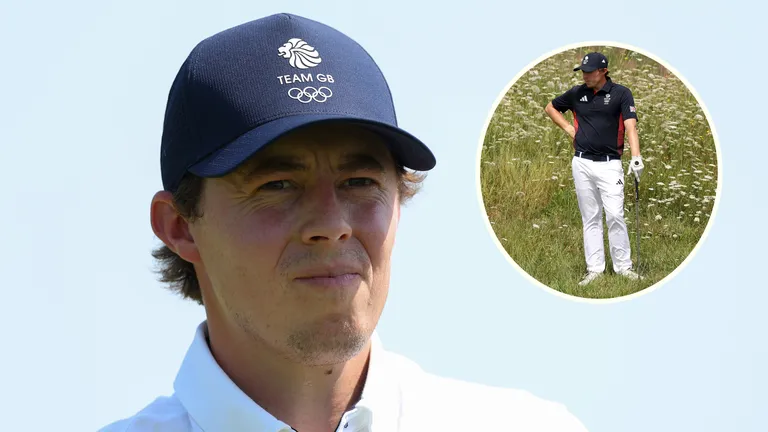
  • Team GB’s Matt Fitzpatrick Withdraws from 2024 Men’s Olympic Golf Tournament Due to Injury

    Team GB’s Matt Fitzpatrick Withdraws from 2024 Men’s Olympic Golf Tournament Due to Injury

    Team GB’s Matt Fitzpatrick Withdraws from 2024 Men’s Olympic Golf Tournament Due to Injury

    In a significant turn of events at the 2024 Men’s Olympic Golf event, Team GB’s Matt Fitzpatrick has been forced to withdraw from the competition after completing the third round at Le Golf National. This decision follows a challenging round where Fitzpatrick carded an 81, ultimately ending his bid for Olympic glory. The withdrawal has been officially confirmed by the International Golf Federation, citing a pre-existing right thumb strain as the primary reason for Fitzpatrick’s exit.


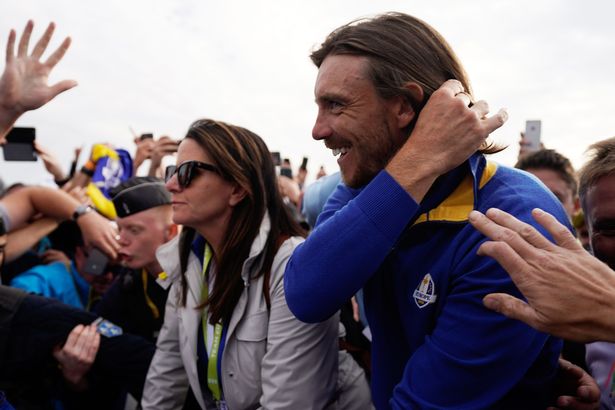
    Fitzpatrick’s departure from the tournament is a notable blow for Team GB, as he was a key player in their golf lineup. With his withdrawal, Tommy Fleetwood remains the sole representative from Team GB in the men’s golf event. Fleetwood, who has been competing alongside Fitzpatrick, expressed his deep sympathy for his teammate, acknowledging the difficulty of the situation. “I feel for Fitz, really,” Fleetwood said. “The Olympics is something that’s very special and comes around once every four years. Pulling out due to injury is part and parcel of the sport, but it’s a horrible time for it to happen. I haven’t spoken to him yet, but I really do feel for Fitz.”


    Fitzpatrick’s performance in the tournament had been a mix of highs and lows. He delivered an impressive second-round score of 64, which highlighted his potential and suggested he might be a strong contender. However, his third-round performance was less than stellar. Fitzpatrick struggled significantly, starting with four bogeys and only one birdie over the first twelve holes. This challenging start was compounded by a double-bogey on the 13th hole and a quadruple-bogey on the 15th, which caused him to plummet down the leaderboard.


    The stark contrast between his rounds was noticeable. Fitzpatrick’s bogey-free second round, which featured seven birdies, showcased his capability and form. However, it was clear that the persistent injury played a role in his subpar performance on Saturday. The right thumb strain, which he had been managing throughout the tournament, ultimately proved too debilitating to overcome.


    Fitzpatrick’s season leading up to the Olympics had been somewhat inconsistent. Although he secured a commendable 5th place finish at The Players Championship, his form in recent months had been wavering. He finished outside the top 36 in his last four tournaments, suggesting he was not in peak condition heading into the Olympic event. Fitzpatrick will now be focusing on a swift recovery, with hopes of returning to competitive form in time for the upcoming FedEx Cup Play-offs on the PGA Tour.


    Despite Fitzpatrick’s withdrawal, Team GB still harbors strong hopes for a medal in the men’s golf event. Tommy Fleetwood, who has been performing admirably, remains in contention. Heading into the final round, Fleetwood is just one shot behind the leaders, positioning him well for a potential gold medal finish. His performance so far in the 2024 Olympic Games has been promising, and he will be aiming to secure a medal for Team GB, even in the absence of his teammate.


    As the tournament progresses towards its conclusion, all eyes will be on Fleetwood to see if he can capitalize on his position and bring home a medal for Team GB. The absence of Fitzpatrick, while a setback, has not diminished the team’s overall chances, and Fleetwood’s strong showing offers a glimmer of hope for a successful end to the Olympic golf event.
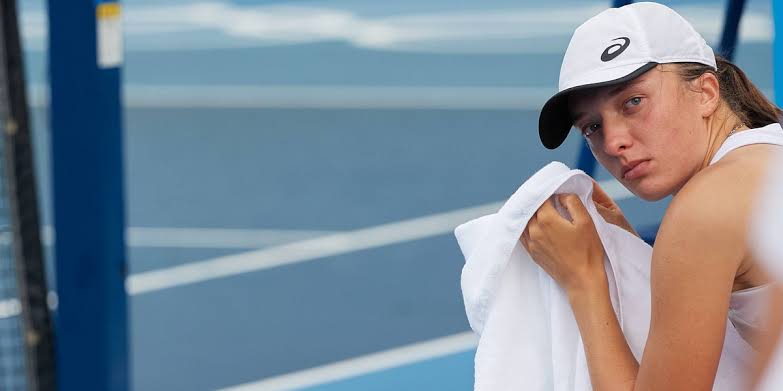
  • Iga Świątek przyznała, że może mieć „trochę więcej pokory” po odbudowaniu się po druzgocącej porażce w półfinale igrzysk olimpijskich w Paryżu 2024.

    Iga Świątek przyznała, że może mieć „trochę więcej pokory” po odbudowaniu się po druzgocącej porażce w półfinale igrzysk olimpijskich w Paryżu 2024.

    Iga Świątek o swojej pokorze po wygranej w Paryżu 2024

    Iga Świątek niedawno podzieliła się wzruszającą refleksją na temat swojego występu na Igrzyskach Olimpijskich w Paryżu 2024, ujawniając głębsze zrozumienie pokory i ciężaru oczekiwań po burzliwym turnieju. Numer 1 na świecie, która weszła do zawodów jako wyraźna faworytka do złotego medalu w grze pojedynczej kobiet, doświadczyła niespodziewanej i wstrząsającej porażki, która skłoniła ją do poważnej introspekcji.


    Świątek, pięciokrotna mistrzyni Wielkiego Szlema, znana z dominacji na kortach ziemnych, była przewidywana do zdobycia złotego medalu na Roland Garros, wydarzeniu, które stało się synonimem jej sukcesu. Jednak marzenie o olimpijskim złocie zostało zniweczone przez zaskakującą porażkę w półfinale. Przegrała z Zheng Qinwen, szóstą zawodniczką z Chin, która zaskoczyła Świątek swoją grą, wygrywając 6-2, 7-5. Wynik ten był ogromnym zaskoczeniem nie tylko dla Świątek, ale także dla jej kibiców i całego świata tenisa.


    Porażka pozostawiła Świątek widocznie zdruzgotaną, a emocjonalny koszt straty był wyraźnie widoczny, gdy starała się powstrzymać łzy po meczu. Mimo bólu, Świątek szybko skupiła się na meczu o brązowy medal, zdeterminowana, by zdobyć miejsce na podium. Następnego dnia pokazała swoją niezwykłą zdolność do odbudowy się po przeciwnościach, pewnie pokonując Annę Karolinę Schmiedlovą ze Słowacji wynikiem 6-2, 6-1, zdobywając brązowy medal.


    W swoich wywiadach po meczu, 23-letnia Świątek zaoferowała wnikliwą i odkrywczą refleksję na temat swojej olimpijskiej podróży. Przyznała, że zmagała się z intensywnym ciśnieniem związanym z reprezentowaniem swojego kraju na tak wysokim poziomie, ciśnieniem, którego nie w pełni przewidziała. Świątek szczerze przyznała, że jej sposób myślenia zmienił się z dążenia do osobistego osiągnięcia na dźwiganie ciężaru narodowych oczekiwań.


    „Właściwie zrozumiałam dopiero wczoraj, że tak naprawdę nie grałam dla siebie” – wyjaśniła Świątek. „Grałam bardziej dla wszystkich innych – dla mojego kraju, dla mojego zespołu i dla wszystkich, którzy mieli nadzieję, że zdobędę medal, zwłaszcza złoty medal. Nie byłam do końca świadoma, jak głęboko to ciśnienie mnie dotykało i ile emocjonalnego bagażu ze sobą niosłam.”


    Świadomość Świątek obejmowała również przyznanie się do walki z presją sytuacji, zauważając, że mogło to wpłynąć na jej występ. „Wiem, że nie grałam tutaj na swoim najwyższym poziomie” – powiedziała. „Nie czułam się, jakbym mogła poruszać się naturalnie i grać tak, jak jestem przyzwyczajona na ziemnych kortach. Mimo tego, cieszę się, że udało mi się przebrnąć przez trudności i zdobyć brązowy medal.”


    Komentarze Świątek zawierały również refleksję na temat jej własnego podejścia do radzenia sobie z presją. Przyznała, że mogła niedocenić wyzwania, co doprowadziło do okresu arogancji. „Mogłam być trochę zbyt arogancka wobec siebie” – przyznała. „Myślałam, że skoro radziłam sobie z dużą presją wcześniej, to poradzę sobie również w tej sytuacji. To doświadczenie wiele mnie nauczyło i teraz jestem jeszcze bardziej zmotywowana do cięższej pracy oraz do podchodzenia do przyszłych wyzwań z większą pokorą.”


    Bezpośrednio po porażce w półfinale, Świątek znalazła się w stanie emocjonalnego chaosu. Perspektywa rywalizacji o medal brązowy dostarczyła jej niezbędnego rozproszenia i poczucia celu, pomagając jej poradzić sobie z przytłaczającym rozczarowaniem poprzedniego dnia. „Myślę, że gdybym nie grała dzisiaj, płakałabym przez tydzień” – przyznała. „Musiałam się zebrać i skoncentrować. Prawdopodobnie płakałam przez około sześć godzin wczoraj – było naprawdę ciężko.”


    Refleksje Świątek na temat jej emocjonalnego przeżycia podkreślają intensywne osobiste i zawodowe presje, z jakimi borykają się elitarni sportowcy. Przyznała, że mimo że sport i tenis są ważnymi aspektami jej życia, emocjonalny wpływ jej olimpijskiej podróży był głęboki, porównując porażkę do osobistego złamania serca. „Czasami wydaje się, że to tylko sport i tenis, a ja zwykle mam pewien dystans do tego, rozumiejąc, że to tylko część mojego życia” – powiedziała. „Ale tym razem czułam, jakby ktoś naprawdę złamał mi serce. To naprawdę było szalone doświadczenie.”


    Dzięki tym refleksjom, Świątek dała szczery wgląd w wewnętrzne zmagania elitarnych sportowców nawigujących w obliczu wysokich stawek. Jej podróż od głębokiego rozczarowania do zdobycia brązowego medalu nie tylko podkreśla jej odporność, ale także jej rozwój i ewoluujące zrozumienie pokory wobec intensywnych oczekiwań.

  • Rory McIlroy blames his ‘ignorance and naivety’ for initial Olympic scepticism

    Rory McIlroy blames his ‘ignorance and naivety’ for initial Olympic scepticism

    Rory McIlroy Reflects on Past Olympic Skepticism and Eyes Medal Contention with Strong Round

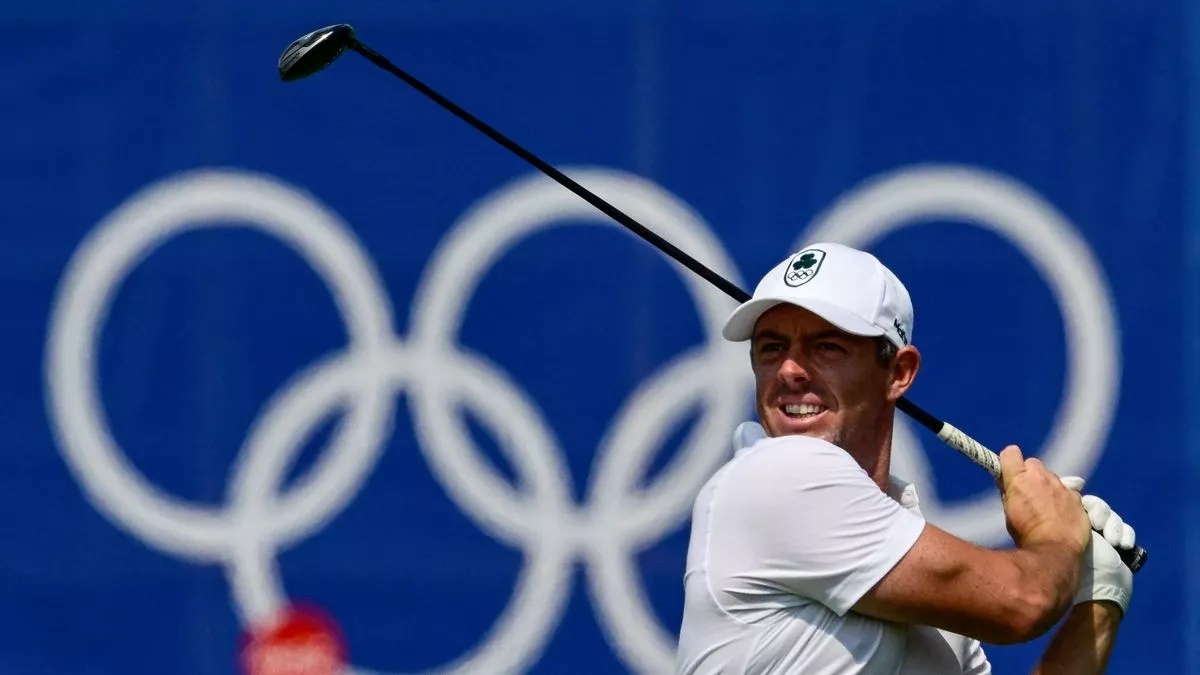
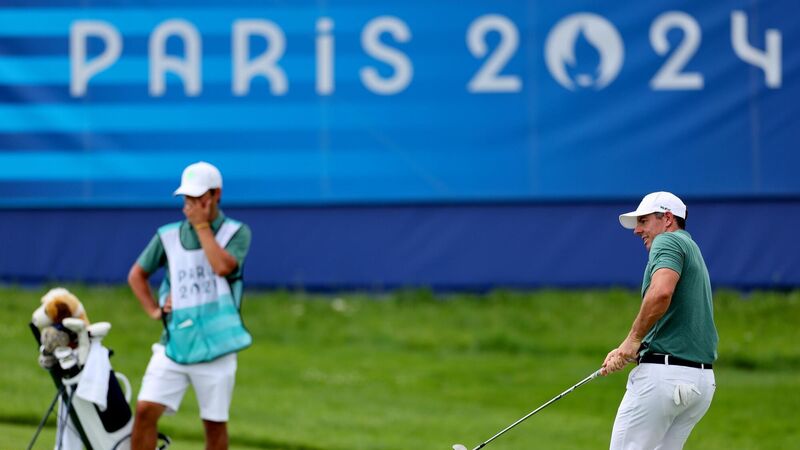
    Rory McIlroy has recently acknowledged that his initial skepticism about Olympic golf stemmed from a blend of ignorance and naivety, revealing a significant shift in his perspective over the years. The Holywood native, a four-time major champion, previously opted out of the 2016 Rio Olympics, citing a reluctance to choose between representing Team GB or Ireland, despite his history of representing Ireland in underage and amateur levels. His change in attitude towards the Olympic Games is akin to his evolving stance on the Ryder Cup, demonstrating how personal experiences have reshaped his outlook.


    McIlroy’s transformation in attitude towards Olympic golf has become particularly evident with his performance in the current tournament. His bogey-free, five-under-par round on Saturday has significantly boosted his chances of securing an Olympic medal. This impressive performance positions him well behind the tournament leaders, offering him a solid opportunity to make a significant impact on the final day.


    Reflecting on his change of heart, McIlroy admitted that his initial dismissal of Olympic golf was a result of a lack of understanding and a somewhat dismissive attitude. Speaking after his third round, where he shot a 66 at Le Golf National, McIlroy described his previous indifference as a form of ignorance. He recalled his experience in Tokyo, noting how he was taken aback by the enthusiastic support and the sheer number of spectators.


    “I think the one thing that we’ve been taken aback by is just how many people are out there,” McIlroy said. “My first Olympic experience was Tokyo, and it was striking to see the contrast between the empty practice days and the bustling atmosphere with 20,000 people cheering. It was really cool and eye-opening.”


    McIlroy’s initial skepticism and indifference were replaced with a newfound appreciation as he experienced the Olympic atmosphere firsthand. His mindset has evolved, mirroring his career’s pattern of shifting perspectives based on new experiences. This realization highlights how he has come to value the Olympic experience, viewing it as a significant event with its unique flavor.


    In the current Olympic competition, McIlroy has positioned himself as a strong contender for a medal. His bogey-free round on Saturday, shooting five-under-par, has left him trailing closely behind the leaders. With Jon Rahm and Xander Schauffele tied at 14-under-par, and Tommy Fleetwood just one shot behind them, McIlroy is in a favorable position, sitting at 10-under-par. His performance underscores his ability to improve steadily throughout the tournament.


    “I’m sort of getting a little better each and every day,” McIlroy noted. “The first two days were marred by mistakes, but today I focused on minimizing those errors. It was a solid round, and it puts me in a good position for a medal tomorrow.”


    McIlroy’s strategy has involved consistent play on the front nine, where he has scored three-under-par each day so far. He believes that replicating this performance on Sunday will place him in a strong position to contend for a medal as the tournament nears its conclusion. The final round at the 2018 Ryder Cup venue promises to be an exciting challenge, given the presence of many top competitors.


    The leaderboard features several prominent names, adding to the excitement of the final round. McIlroy highlighted the competitiveness of the field, mentioning players like Xander Schauffele, who has had an impressive year, and Scottie Scheffler, the current top-ranked player in the world. He also noted the remarkable performance of younger players like Nicolai Hojgaard, who shot a 62 on Saturday. The strong field makes for a thrilling conclusion to the tournament.


    While Jason Day has compared the Olympic atmosphere to that of a major championship, McIlroy offers a slightly different perspective. He finds the Olympic environment distinct from the traditional major tournaments, describing it as more fun and celebratory. “It’s hard to compare this atmosphere to that of the Masters,” McIlroy said. “It’s different—more of a celebration, with a crowd that’s perhaps a bit more enthusiastic.”


    Looking ahead to Sunday, McIlroy’s goal is to deliver his lowest round of the week, aiming for a score of at least 65. He recognizes that achieving this will depend not only on his own performance but also on how the leaders perform. With the competition as tight as it is, McIlroy remains focused on his target, hoping that a strong finish will secure him an Olympic medal and affirm his evolved perspective on the event.

  • Tommy Fleetwood’s huge net worth, wife and manager Clare, and why son went viral at 4

    Tommy Fleetwood’s huge net worth, wife and manager Clare, and why son went viral at 4

    As Tommy Fleetwood gears up to represent Team GB at the Paris 2024 Olympic Games, he is not just another golfer hoping to make his mark; he’s a seasoned competitor with a fascinating personal life and a substantial net worth. With ambitions of following in the footsteps of Justin Rose, the Englishman is set to compete against some of the best golfers in the world. Here’s a deep dive into who Tommy Fleetwood is, his impressive career, and the people who have shaped his life.

    Who is Tommy Fleetwood?

    Tommy Fleetwood, hailing from Southport, England, has made significant strides in the world of golf. Known for his impressive performances on both the PGA Tour and the European Tour, Fleetwood has notched up seven wins on the European circuit and claimed victory on the Sunshine Tour and the Challenge Tour. Despite his numerous achievements, Fleetwood has yet to secure a win in a major tournament, a feat he has come close to on several occasions.

    Fleetwood’s near misses include a third-place finish at the 2024 Masters, where he finished behind Scottie Scheffler and Ludvig Åberg, and second-place finishes at the 2018 US Open and the 2019 Open Championship. His best performance in a PGA Championship came in 2022 when he finished tied for fifth. Tommy made his Olympic debut at the Tokyo 2020 Games, but his performance fell short of expectations, leaving him tied for 16th. He’ll be looking to improve on that result at this summer’s Games in Paris.

    The Net Worth of Tommy Fleetwood: A Financial Snapshot

    As of March, Tommy Fleetwood’s net worth is estimated at an impressive £15.7 million ($20 million). His financial success is largely attributed to his achievements on the golf course and lucrative endorsement deals. Fleetwood’s sponsorships include major brands like BMW, Nike, Tag Heuer, and TaylorMade, though specific figures for these deals are not publicly disclosed.

    Despite the financial rewards of a successful golfing career, Fleetwood will not receive any additional monetary gain from his Olympic performance, as Team GB does not offer bonuses to athletes for their achievements. Nonetheless, Fleetwood’s net worth reflects his considerable success in the sport and his adeptness at securing high-profile endorsements.

    Tommy Fleetwood’s Personal Life: Love, Marriage, and Family

    Tommy Fleetwood’s personal life is as captivating as his career. He met his wife, Clare, through his brother Joe, who worked with her at Hambric Sports Management. Fleetwood joined Hambric in 2015, and by the end of that year, Clare had become his manager. Their professional relationship soon blossomed into a personal one. Clare, who is 23 years Fleetwood’s senior, initially rebuffed his advances, but their relationship eventually turned romantic.

    Clare and Tommy announced their engagement in June 2017, and they were married later that year in December on a picturesque beach in the Bahamas. Clare, who has two sons from a previous relationship, gave birth to their first child together, Franklin Fleetwood, in September 2017.

    Franklin Fleetwood: The Viral Sensation

    Franklin Fleetwood, known affectionately as Frankie, became an internet sensation at just four years old. During the 2022 Par 3 Contest held before the Masters, Frankie made headlines for his adorable role as his father’s caddie. Dressed in a full caddie bib, Frankie charmed spectators with his enthusiastic sprinting between the tee box and the green, capturing the hearts of fans and going viral in the process.


    As Tommy Fleetwood continues his pursuit of Olympic gold, his story is not only about his golf career but also about his journey through personal and professional milestones. From his remarkable achievements on the course to his rich family life and the viral moments with his son, Tommy Fleetwood is a figure who embodies dedication and success in both his professional and personal spheres.

  • Rory McIlroy sends warning to golf bosses at Olympics and says something must change

    Rory McIlroy sends warning to golf bosses at Olympics and says something must change

    Rory McIlroy has expressed concerns about the potential clash between the 2028 Los Angeles Olympic Games and the golf calendar, highlighting that significant adjustments may be necessary. McIlroy, a prominent figure in professional golf, has voiced his apprehensions regarding the timing of the Olympics in relation to major golfing events, particularly the Open Championship.


    The 2028 Olympic Games in Los Angeles are set to commence on Friday, July 14, which is coinciding with this year’s Wimbledon final. This scheduling presents a significant challenge for the golf calendar, as the Open Championship at Royal Troon is slated to begin on July 18, just a few days after the Olympics start. McIlroy’s concern is that the overlap could create a scheduling conflict that places undue pressure on players and disrupts the traditional golf calendar.


    Since golf’s return to the Olympics in 2016, the sport has seen substantial growth and enthusiasm, as evidenced by the large crowds at Le Golf National during the first rounds. However, McIlroy is wary of the potential complications the 2028 Games could bring, particularly with regard to the crowded schedule of golf tournaments. He notes that while the Olympics in Los Angeles will pose more challenges than previous Games, the situation may evolve as the world of golf changes over the next few years.


    McIlroy’s concern extends to the possibility of the Open Championship being rescheduled to accommodate the Olympics, but he suggests that such a move might be impractical due to the overlapping Wimbledon schedule. He points out that there are numerous golf tournaments packed into the calendar, and finding adequate space for all events is becoming increasingly difficult. McIlroy emphasizes that “something needs to give” in the golf schedule to avoid these conflicts.


    Negotiations are currently underway between the PGA and DP World Tours, as well as the Saudi Public Investment Fund, which owns LIV Golf, to address the scheduling issues and potentially reach a new agreement. This ongoing dialogue is crucial as it seeks to address the growing concerns of players and stakeholders in the sport.


    The Olympic golf events, which currently feature 60 players in both the men’s and women’s competitions, involve 72-hole stroke play. There is also discussion about introducing a mixed team event, which would further complicate the already tight golf calendar. McIlroy himself did not participate in the Rio 2016 Olympics and missed out on a medal in Tokyo 2020 due to the Covid-19 pandemic, which affected the Games’ structure and scheduling.


    McIlroy, who is competing in the current Olympics representing Ireland, has been impressed by the French enthusiasm for golf. He describes the atmosphere as vibrant and engaging, noting the success of the Ryder Cup in France and the current positive reception of golf at the Olympics. This positive environment contrasts with the challenges posed by the previous Games in Tokyo, which were impacted by the pandemic.


    As of the third round, McIlroy is six shots behind the leaders, Tommy Fleetwood, Hideki Matsuyama, and defending champion Xander Schauffele. He has attributed his struggles in the early rounds to the wet conditions, which have made the course softer and more challenging than expected. McIlroy had anticipated firmer and drier conditions typical of Parisian summer weather, but the lush rough and softer course have made play more difficult.


    Reflecting on the conditions, McIlroy notes that his approach to the game has evolved, and he now appreciates firmer, drier conditions more than he did in the past. He remains hopeful that drier weather over the next few days will make the course more manageable and provide opportunities to improve his standing.


    In summary, Rory McIlroy’s concerns about the golf calendar and its overlap with major events like the Olympics underscore the need for careful planning and flexibility in scheduling. As golf continues to grow in popularity and its presence in the Olympics expands, finding a balance that accommodates all significant events will be crucial for the sport’s continued success and the well-being of its players.

  • Jon Rahm reflects on his main reason for joining LIV Golf: It wasn’t just for the money; it was because of him.”

    Jon Rahm reflects on his main reason for joining LIV Golf: It wasn’t just for the money; it was because of him.”


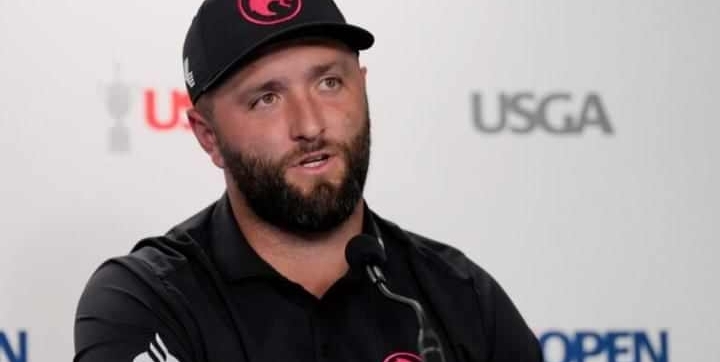
    In a startling confession that has sent shockwaves through the golf world, Jon Rahm has opened up about his decision to leave the PGA Tour and join LIV Golf. Far from being solely driven by the substantial financial incentives, Rahm’s revelation unveils a more complex and personal motive behind his high-profile switch.


    In a recent interview, Rahm offered an unprecedented look into the reasoning that guided his controversial move. “It wasn’t just for the money that I joined LIV,” Rahm stated candidly. “It was because of him.” The cryptic nature of this comment has left fans and critics alike speculating about the underlying factors that influenced his decision.


    For months, speculation had swirled around the notion that financial gain was the primary driver behind Rahm’s departure from the PGA Tour. The staggering sums of money offered by LIV Golf have been well-documented, leading many to believe that the lucrative contracts were the main appeal. However, Rahm’s latest statement challenges this narrative and hints at deeper, more personal motivations.


    The enigmatic “him” mentioned by Rahm has been the subject of intense speculation. Industry insiders, fellow golfers, and fans have all been attempting to decipher the identity and significance of this individual. Some suggest that it could be a figure of immense influence or personal importance to Rahm, someone whose presence or actions had a profound impact on his career decisions.


    This revelation comes at a time when the landscape of professional golf is undergoing seismic shifts. LIV Golf, backed by substantial financial resources and boasting a roster of elite players, has been at the center of a debate over the future of the sport. Rahm’s departure from the PGA Tour was seen as a significant moment in this ongoing transformation, making his reasons for the switch all the more intriguing.


    As the golf world digests Rahm’s comments, the question on everyone’s mind is: who is this mysterious “him,” and what role did he play in Rahm’s decision to join LIV Golf? The answer to this question could potentially reshape perceptions of Rahm’s career and the broader dynamics of professional golf.


    For those who have been following the saga of Rahm’s career, this revelation adds a new layer of complexity and intrigue. The financial aspects of his move were already well-publicized, but this new insight into Rahm’s personal motivations promises to captivate audiences and provoke further discussion about the evolving world of professional golf.

  • “Golf Nightmare: Xander Schauffele’s Stunning Olympic Round Interrupted by Mysterious Disruption—Find Out What Happened!”

    “Golf Nightmare: Xander Schauffele’s Stunning Olympic Round Interrupted by Mysterious Disruption—Find Out What Happened!”

    Unexpected Incident Halts Xander Schauffele’s Surge in Olympic Golf

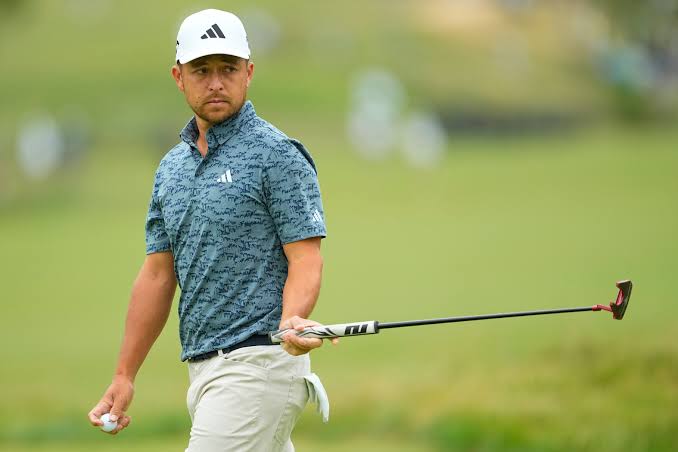
    In a dramatic turn of events during the Olympic golf tournament, Xander Schauffele’s impressive performance faced an unusual interruption. Schauffele, who had been making significant strides on the course, encountered an unforeseen complication that momentarily halted his charge.


    The incident occurred in a crucial moment of the round. As Schauffele prepared for his next shot, an unexpected interruption emerged. According to reports, while Schauffele was lining up his shot, an issue arose involving his golf ball. The situation unfolded as a fellow competitor or a spectator, inadvertently or otherwise, interacted with the area around Schauffele’s ball. This caused a brief but notable disruption in Schauffele’s rhythm and concentration.


    The ruling on the course, made by officials, was critical in determining how the situation would impact Schauffele’s round. The officials were faced with the challenge of assessing the circumstances and making a decision that would maintain the integrity of the competition while addressing the unusual disturbance. The ruling was pivotal not only for Schauffele’s round but also for the overall flow of the tournament.


    Despite the interruption, Schauffele’s resilience and skill were on full display. He managed to refocus and continue his play, showcasing his ability to handle adversity. The incident, while disruptive, did not diminish his competitive spirit. Schauffele’s performance remained strong, reflecting his determination to excel despite the unexpected challenges.


    This interruption highlights the unpredictability inherent in live sports events, where factors beyond the control of players can influence the outcome. The situation was a testament to the dynamic nature of golf and the need for players to adapt to various circumstances as they arise.


    As Schauffele continued his round, his ability to maintain composure and execute his shots under pressure was commendable. The incident served as a reminder of the complexities involved in professional sports and the importance of adaptability and focus for athletes striving to achieve their best performance.


    Overall, the interruption was a noteworthy moment in Schauffele’s Olympic journey, illustrating both the challenges and the resilience required in the pursuit of excellence in competitive golf.

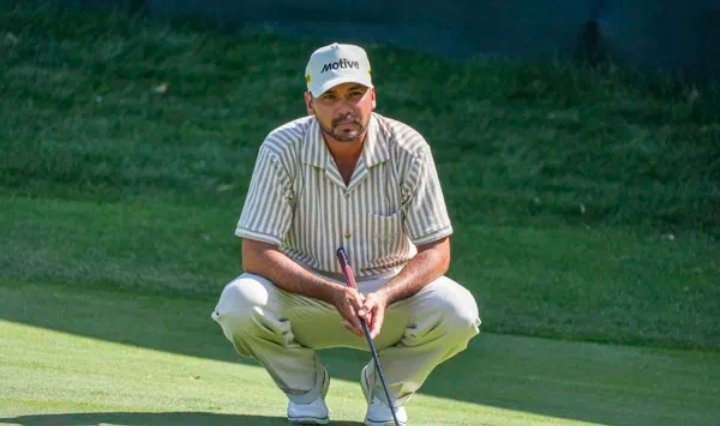
  • Jason Day Becomes a ‘Disgrace’ at Olympics as Fans Question His Worth To Represent Australia

    Jason Day Becomes a ‘Disgrace’ at Olympics as Fans Question His Worth To Represent Australia

    Jason Day Becomes a ‘Disgrace’ at Olympics as Fans Question His Worth To Represent Australia


    It’s happening again!! Just like the major tournaments, Jason Day is again in the spotlight. Surprisingly, this time the pro isn’t drawing attention for his bizarre outfits. However, he is still facing the community’s wrath for a different reason: fans are not convinced that he is a ‘worthy’ choice to represent Australia. Day shot 69, and 68 on the first two days of competition at Le Golf National, but still managed to garner the negative attention.


    Bringing the Australian representation into the picture, recently “@ProGolfCritic” shared a post on X, captioning “Has Min Woo Lee done anything of note in 2024 on the @PGATOUR? It’s a rhetorical question.” The post also highlighted that despite not delivering an ideal performance on the greens, Lee experienced an increase in his OWGR. It ended with a question: “Lmao. How does Australia feel about him repping instead of Cam in @OlympicGolf?”


    Lee’s last victory was at the 2020 ISPS Handa Vic Open, and he hasn’t won anything since. He also missed the cut at the Open Championship, whereas Day finished at T12 at the same tournament. Despite this, it was surprisingly Jason Day, not Lee, who became the target of fans’ criticism.


    With the Paris Olympics using OWGR rankings for the golf selection criteria, Jon Rahm recently suggested that countries should have the authority to choose their own representatives. Had this been the approach, it might have helped avoid this issue. Not long after the post went viral the comments witnessed multiple remarks from fans. While some talked about Cameron Smith, some started to question Jason Day’s worth.


    Expressing their disappointment this fan added, “Min Woo should be there but J Day should not be representing Australia it’s a disgrace.” Possibly highlighting the fact that the pro hasn’t gone back to Australia to play golf and the fact that he has not done much to develop the sport in Australia too. Agreeing with the previous points and alluding to the fact that Day hasn’t played in the Australian Open for 8 years, another added “I’d rather see Cam than Jason Day, Min-woo comes back and plays in Aus regularly.” Australia has always been on the backend of the golf spectrum, and it is LIV Golf which has been organizing events there to draw the crowd in and show the world that Aussies love golf too.


    This fan also took a jab at Day, saying, “Extremely overrated player and wannabe celebrity IMO.” They highlighted that, despite knowing his bizarre outfits make him a laughing stock in the community, Day continues to wear them from Malbon Golf. Since becoming a brand ambassador in January, he has sported these outfits at tournaments, including the last major. This fan believes Day must enjoy the attention, hence labeling him a “wannabe celebrity.”


    Not exactly targeting the golfer but one fan criticized the Olympic golf selection criteria, saying “Is there anyone saying the system is correct??” Surprisingly, this fan isn’t alone who is disagreeing with the selection criteria. LIV Golfers like Joaquin Niemann and Jon Rahm feel the same. Niemann recently said, “I don’t think it’s fair.” Meanwhile, Rahm believes it should be up to the country to decide who they want representing them at the Olympics and said “allow the countries to pick themselves.”


    While many disagreed that Jason Day shouldn’t be the one representing Australia one fan made a bold statement and said “What has Cam done this year? Absolutely nothing. His careers over you fool.” Possibly referring to the point that Cameron Smith’s last victory was at the 2022 Open Championship, he hasn’t won anything since. This year, he even missed the cut at the Open Championship and left the course early.


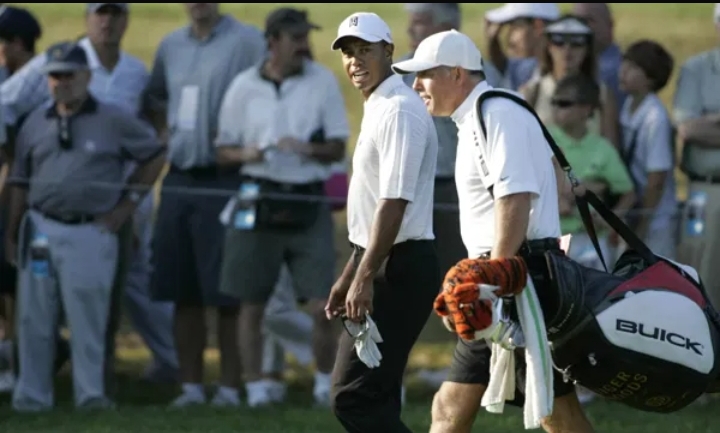
  • Often Did This With Tiger Woods”: Caddie Steve Williams Reveals the Secret Behind His Career Success in 2015

    Often Did This With Tiger Woods”: Caddie Steve Williams Reveals the Secret Behind His Career Success in 2015

    Often Did This With Tiger Woods”: Caddie Steve Williams Reveals the Secret Behind His Career Success in 2015


    Steve Williams is a name synonymous with excellence in the world of professional golf caddying. His career, marked by notable achievements and high-profile partnerships, has made him a celebrated figure in the sport. However, his journey has not been without its challenges, including a dramatic split with one of his most famous clients, Tiger Woods. Despite these setbacks, Williams has continued to thrive, earning a net worth of $20 million and cementing his legacy as one of the best in the business.


    In 2015, Williams released his memoir, *Out of the Rough: Inside the Ropes with the World’s Greatest Golfers*, which provides an in-depth look at his illustrious career and the intricacies of his role as a caddie. The book offers readers an inside perspective on the dynamic relationships he had with some of the world’s top golfers, including his well-documented partnership with Woods. Williams’s candid reflections reveal not only his experiences on the golf course but also some unconventional strategies that contributed to his success.


    **The Infamous Split with Tiger Woods**


    Williams’s career is perhaps most famously associated with Tiger Woods, with whom he worked from 1999 to 2011. The partnership was highly successful, resulting in Woods winning 13 major championships during their time together. However, their relationship ended in a dramatic fashion following the 2011 U.S. Open when Woods terminated Williams’s services after a decade of collaboration. Despite this setback, Williams’s career did not falter; instead, he continued to pursue his passion for caddying and went on to work with other notable golfers.


    **A Memoir of Triumphs and Insights**


    Williams’s memoir, *Out of the Rough*, published in 2015, offers a rich tapestry of stories from his career, providing readers with a behind-the-scenes look at the world of professional golf. One of the most intriguing revelations from the book is Williams’s use of psychological tactics to enhance his effectiveness as a caddie. The book highlights an approach that Williams used frequently to maximize the performance of the players he worked with, particularly Tiger Woods.


    **The Psychological Edge**


    In his memoir, Williams discloses an unconventional yet strategic approach to caddying: occasionally withholding or distorting information to influence a player’s decision-making process. This tactic, although controversial, was employed to instill confidence and foster a fearless mindset in high-pressure situations.


    Williams explains that when golfers are faced with challenging scenarios, such as navigating through thick rough or dealing with tricky creeks, they rely heavily on their caddie for clear and decisive guidance. Williams emphasizes the importance of delivering a firm answer to a player’s query, stating in his book, “If a player asks you a question, they don’t want to hear umming and ahhing—they want a firm answer.” This emphasis on certainty often led him to withhold or manipulate information, such as the exact yardage, to guide players towards better decisions.


    Reflecting on his time with Tiger Woods, Williams admits, “I often did this with Tiger.” He acknowledges that while this approach might seem unorthodox, it was instrumental in giving his players a psychological edge. Williams describes himself as “less of a confidence booster than a confidence trickster,” highlighting his belief that such tactics were crucial for enhancing his players’ performance.


    **The Synergy of Success**


    Williams’s psychological tactics, combined with Woods’s unparalleled talent and work ethic, created a formidable partnership that dominated the golfing world for over a decade. The Williams-Woods era, spanning from 1999 to 2011, is often regarded as a golden age in golf. During this period, Woods accumulated 13 major championships, with Williams playing a pivotal role in many of these victories.


    **A Storied Career Beyond Tiger Woods**


    While Williams’s association with Tiger Woods is the most high-profile aspect of his career, his caddying journey spans several decades and includes notable stints with other golf legends. Williams began his caddying career at the age of ten at his local club in New Zealand. By the age of 13, he was already working with Peter Thomson, an Australian golfing great and five-time Open Championship winner.


    At 19, Williams’s career took a significant turn when he began caddying for Greg Norman in 1982. This partnership saw him working with Norman across Asia, Australia, and Europe. Although Williams’s time with Norman was relatively brief, it laid the groundwork for his subsequent success. After parting ways with Norman in 1989, Williams found a new opportunity with Raymond Floyd, caddying for him on both the regular and senior U.S. tours until 1999.


    This extensive experience prepared Williams for his landmark partnership with Woods. Beyond Woods, Williams’s career has included work with several other prominent players, including Adam Scott, LPGA star Danielle Kang, and Jason Day. Each of these partnerships has contributed to his reputation as one of the most successful caddies in the sport.


    **The Legacy of Steve Williams**


    Williams’s memoir provides a rare glimpse into the mental and strategic elements of caddying, shedding light on the psychological aspects that can significantly impact a golfer’s performance. His use of tactical deception, while controversial, underscores the complex dynamics between a caddie and their player. As Williams reflects on his career and the strategies he employed, he offers valuable insights into the art of caddying and the mental fortitude required to excel in professional golf.


    In conclusion, Steve Williams’s career is a testament to the profound impact a caddie can have on a golfer’s success. His innovative tactics, combined with his vast experience and the exceptional talent of the players he has worked with, have solidified his place in the annals of golf history. As the golf world continues to evolve, Williams’s story remains a compelling example of the intricate and often unseen factors that contribute to success in this prestigious sport.

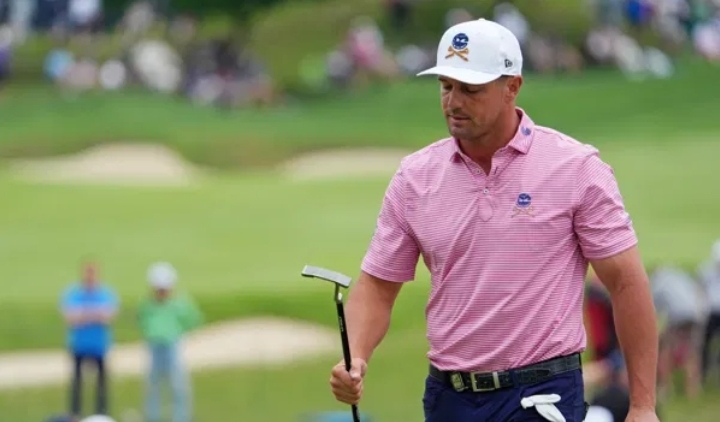
  • Olympics Denied Bryson DeChambeau’s Chance To Overtake Wyndham Clark & Co With a Stubborn Decision

    Olympics Denied Bryson DeChambeau’s Chance To Overtake Wyndham Clark & Co With a Stubborn Decision

    Olympics Denied Bryson DeChambeau’s Chance To Overtake Wyndham Clark & Co With a Stubborn Decision

    In the intricate world of golf, where rankings and opportunities often hinge on a fine thread of eligibility and selection, recent decisions have stirred significant debate. One such decision, made by the governing bodies overseeing the Olympics and golf’s world ranking system, has particularly impacted Bryson DeChambeau, a prominent player whose Olympic dreams and chances to gain valuable Official World Golf Ranking (OWGR) points have been thwarted.


    Jon Rahm, a leading golfer known for his candid opinions, recently weighed in on the issue of Olympic golf selection criteria. Rahm suggested that the responsibility for selecting players should be left to the individual countries themselves. This opinion highlights a significant point of contention in the ongoing debate over how golfers are chosen to represent their nations at the Olympic Games. While Rahm’s suggestion may seem to advocate for national autonomy, it also underscores an underlying problem with the current system that has directly affected DeChambeau.


    DeChambeau, who has been a notable figure in the golfing world, has faced considerable challenges due to his affiliation with LIV Golf. LIV Golf, a series that has disrupted traditional golf’s status quo, has found itself at odds with the traditional golf establishment, particularly in matters related to the OWGR. These restrictions have placed LIV-affiliated players, including DeChambeau, in a difficult position, particularly regarding their ability to earn and accrue OWGR points essential for maintaining high rankings and qualifying for prestigious events.


    Despite the hurdles presented by LIV Golf’s contentious relationship with traditional golf circuits, DeChambeau has demonstrated his exceptional skill and perseverance. His triumph at the 2024 US Open, one of golf’s major tournaments, propelled him to the impressive position of #9 in the OWGR. However, even with this notable achievement, DeChambeau was unable to secure a spot in the U.S. Olympic golf team.


    The selection process for the Olympic golf tournament is primarily determined by the OWGR, which ranks golfers globally based on their performances in various sanctioned events. For American golfers to be selected for the Olympic team, they must rank among the top four U.S. players in the OWGR. In DeChambeau’s case, despite his remarkable performance and high ranking, he found himself positioned behind Scottie Scheffler, Collin Morikawa, two-time major winner Xander Schauffele, and, rather unexpectedly, Wyndham Clark.


    This scenario presents a notable example of how the rigid criteria for Olympic selection can inadvertently sideline highly capable players. DeChambeau’s exclusion from the team not only deprived him of the opportunity to compete in the Olympics but also denied him the potential to earn significant OWGR points. According to recent observations shared by golf analyst Bob Harig, winning a gold medal at the Olympics would have awarded the victor approximately 50 OWGR points. These points are highly valuable, as they can significantly impact a player’s ranking and career trajectory.


    Had DeChambeau been part of Team USA and secured the gold medal, he would have been in a position to surpass other prominent golfers, including Wyndham Clark, the 2023 US Open winner. The chance to overtake such competitors and further solidify his place among the top players globally was a missed opportunity due to the stringent selection criteria.


    The exclusion of Bryson DeChambeau from the Olympics, despite his exceptional performance and high OWGR ranking, highlights a broader issue within the sport of golf. It underscores how the intersection of national selection criteria and international ranking systems can create barriers for some of the sport’s most talented players. While the debate continues over the fairness and effectiveness of these criteria, it is clear that changes may be necessary to ensure that deserving players are given the opportunities they have earned through their hard work and dedication.


    In conclusion, Bryson DeChambeau’s situation illustrates a significant challenge within the world of competitive golf. The rigid application of OWGR-based selection criteria for the Olympics has, in this instance, prevented a skilled player from achieving what could have been a career-defining moment. As the sport evolves and the debate over selection criteria continues, it remains to be seen how these issues will be addressed to better balance fairness, opportunity, and merit in future Olympic Games.